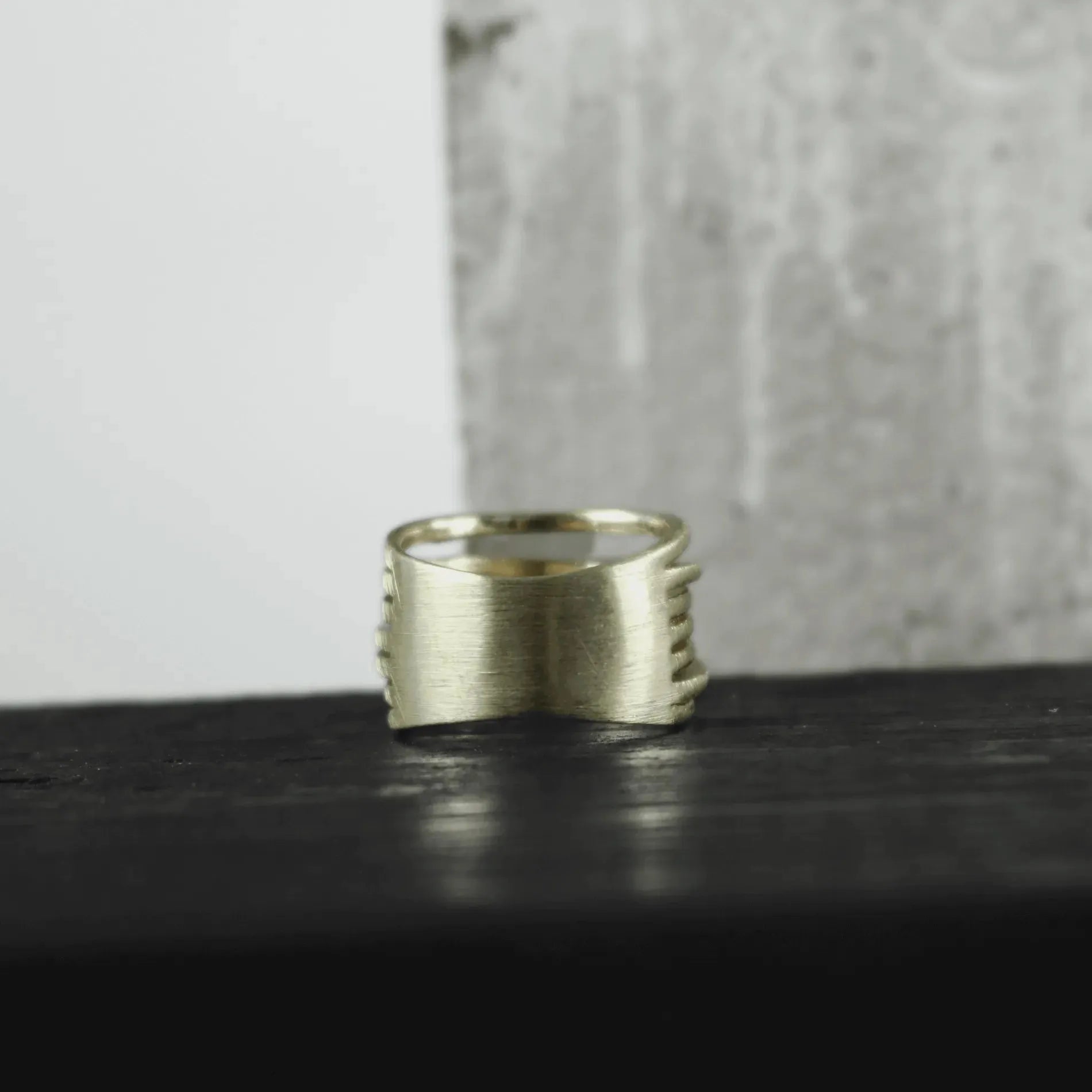
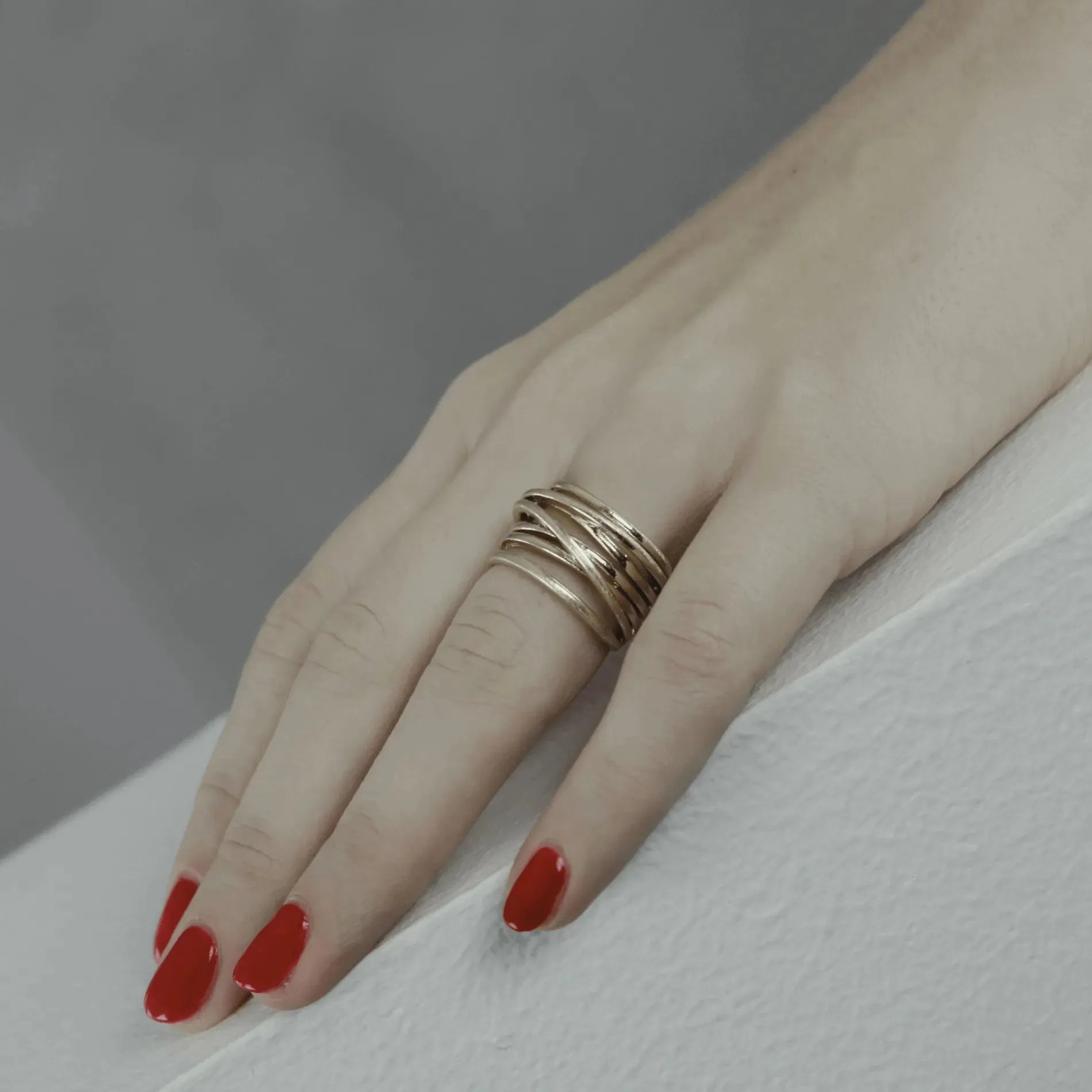



You know the feeling — you put on a necklace in the morning, keep it on through coffee, errands, the gym, and a quick shower, then notice the finish already looks tired. That is exactly why a guide to waterproof jewellery materials matters. If you want pieces that keep up with your life and still feel polished, the material is not a small detail — it is the whole story. For many people, waterproof jewellery is the difference between pieces that live in a box and pieces that become part of your everyday signature: wear your favourites more often, layer with confidence, and spend less time worrying about fading, tarnishing, or irritation.
What waterproof really means in jewellery
In fashion jewellery, waterproof usually means a piece is designed to handle regular exposure to water better than traditional plated styles — handwashing, rain, sweat, and in many cases showering. It does not mean indestructible, and it does not mean every finish will stay identical forever with zero care. A better way to think about it is durable daily-wear jewellery made from materials and finishes that resist moisture, tarnish, and wear. The difference comes down to the base metal, the plating method, and how the piece is made.
Guide to waterproof jewellery materials: what actually performs
If you are shopping for jewellery you can wear on repeat, there are a few materials worth knowing. Each has its own strengths, and the best choice depends on your style, your skin, and how you wear your jewellery.
316L stainless steel
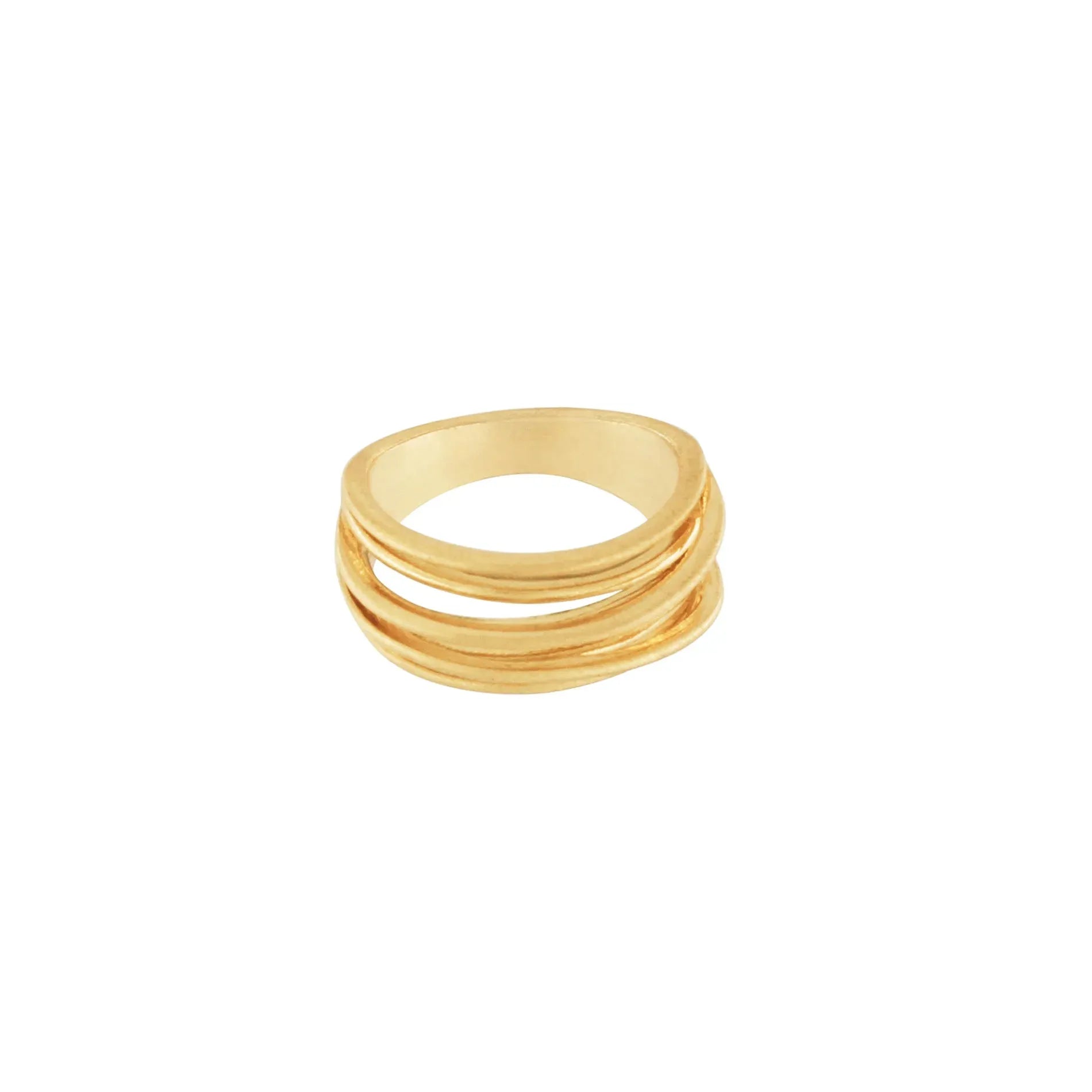
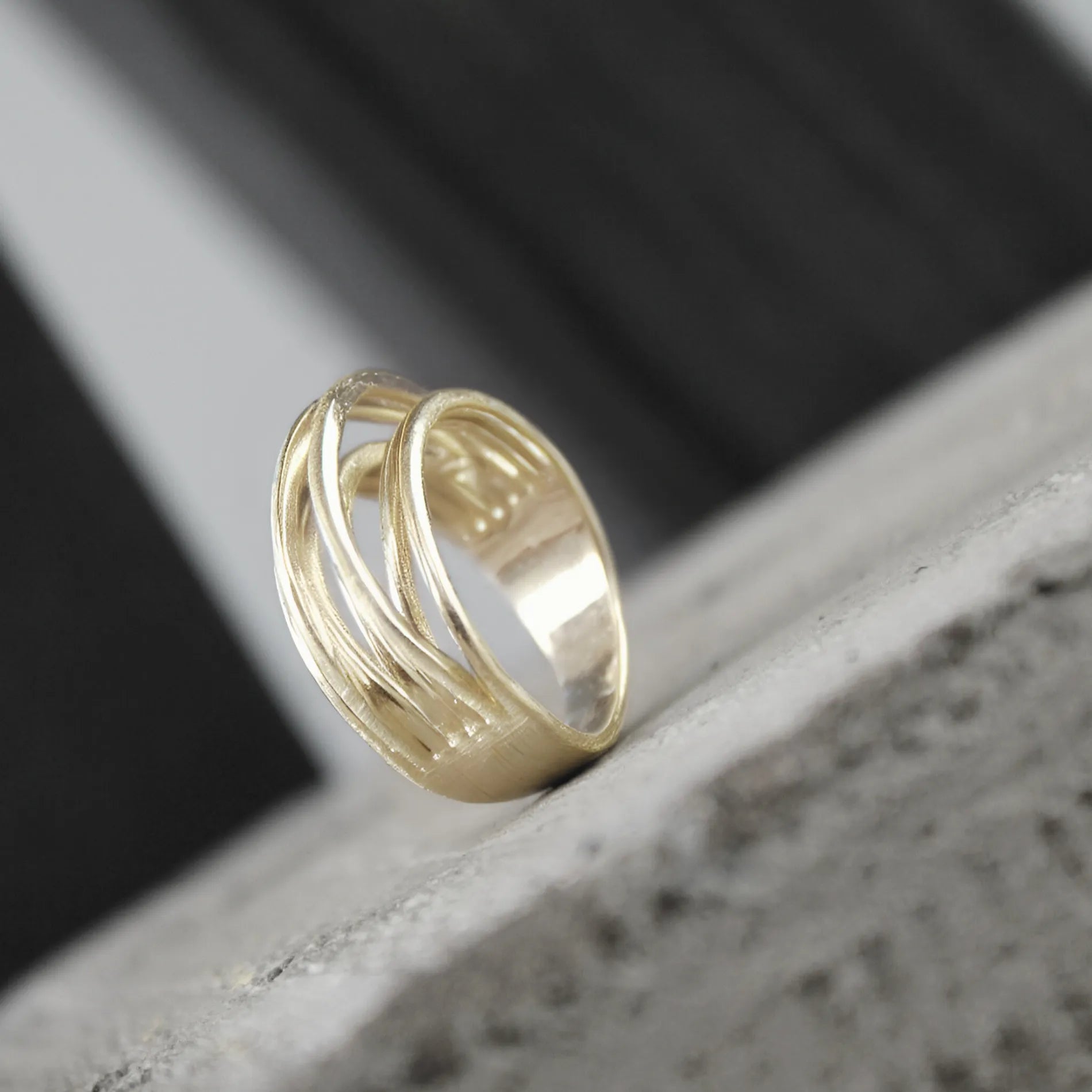
316L stainless steel is one of the most reliable choices in waterproof fashion jewellery — strong, resistant to rust, and generally holding up well against water and sweat. It is also naturally hypoallergenic, which makes it especially appealing for earrings, rings, or close-fitting pieces you never want to think twice about. At DANSK Copenhagen, 316L stainless steel is the base for every piece in the collection. The silver-toned finish is the natural colour of the steel itself, with nothing to chip or fade. Gold styles use ION plating (PVD), which bonds the colour more durably than standard electroplating — so the gold tone has far better staying power in real life. 316L steel can feel slightly weightier than some lightweight fashion metals, but for many people that weight reads as quality.
Titanium
Titanium is less common in fashion-led collections but an excellent waterproof material — lightweight, highly resistant to corrosion, and often very well tolerated by sensitive skin. The reason you do not see it everywhere is that it can be more expensive and less flexible from a design and production perspective. For trend-driven jewellery, 316L stainless steel is more versatile for the details customers want.
Solid gold and platinum
Solid gold is naturally resistant to rust and corrosion, making it suitable for water exposure — especially in higher karats. Platinum is similarly durable and handles moisture well. Both sit firmly in the fine jewellery category and are not typically what shoppers mean when browsing waterproof fashion jewellery, but they are worth mentioning because they show the difference between naturally water-resistant precious metals and the more accessible waterproof materials used in contemporary collections.
The finish matters as much as the metal
A piece can start with a strong base metal and still disappoint if the finish is weak. This is where waterproof styles separate themselves from standard plated jewellery.
ION plating (PVD)
PVD — physical vapour deposition — is a more advanced coating process that creates a stronger bond between the base metal and the finish. In practical terms, that means better resistance to scratching, fading, and everyday wear. If you love gold-toned jewellery but want something better suited to real life, ION-plated 316L stainless steel is one of the smartest options: the warmth and glow of gold with far more durability than traditional flash plating. This is often the sweet spot for anyone who wants style without high maintenance — current, elevated, and ready for daily layering. Explore the DANSK Copenhagen waterproof collection to see it in action.
Traditional electroplating
Traditional gold plating can still look beautiful, but it is usually less durable around water, sweat, lotions, and friction. If you remove your jewellery before showering, exercising, or sleeping, plated styles may still work well for you. If you want a piece you can wear from morning to night with minimal thought, ION plating and a 316L steel base are the better investment.
Materials that are not truly waterproof
Brass, copper, and lower-quality alloy metals are common in fashion jewellery but much more likely to tarnish, discolour, or react with skin over time. That does not mean they should never be worn — they can be perfect for trend moments, bold statement styles, or special occasions — but they are not the heroes of an everyday waterproof collection. The same goes for delicate embellishments: glue-set stones, certain pearls, and softer finishes may not love water even if the metal itself is fairly durable. A waterproof chain with a less water-friendly charm still deserves a little extra attention.
How to choose the right waterproof jewellery for your lifestyle
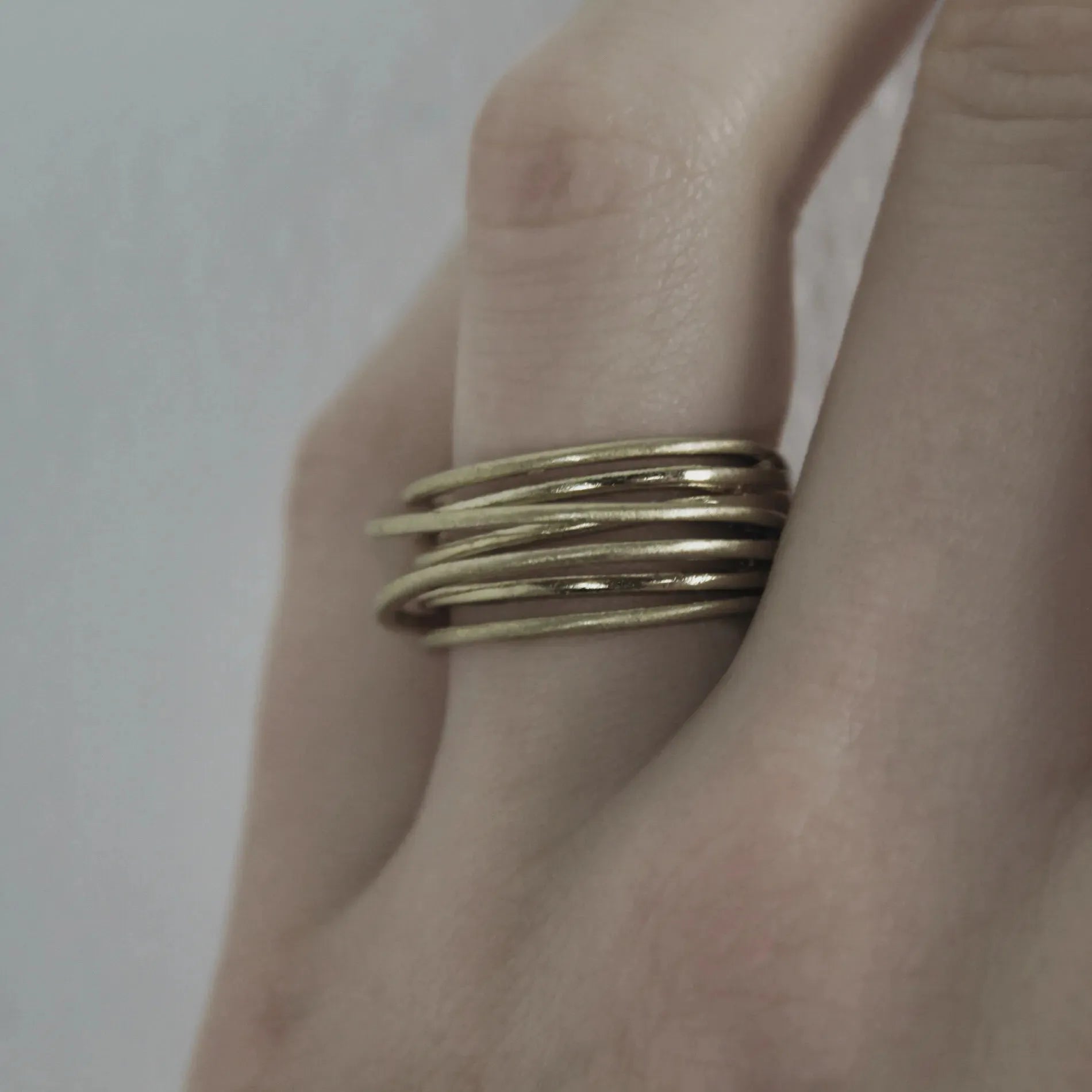
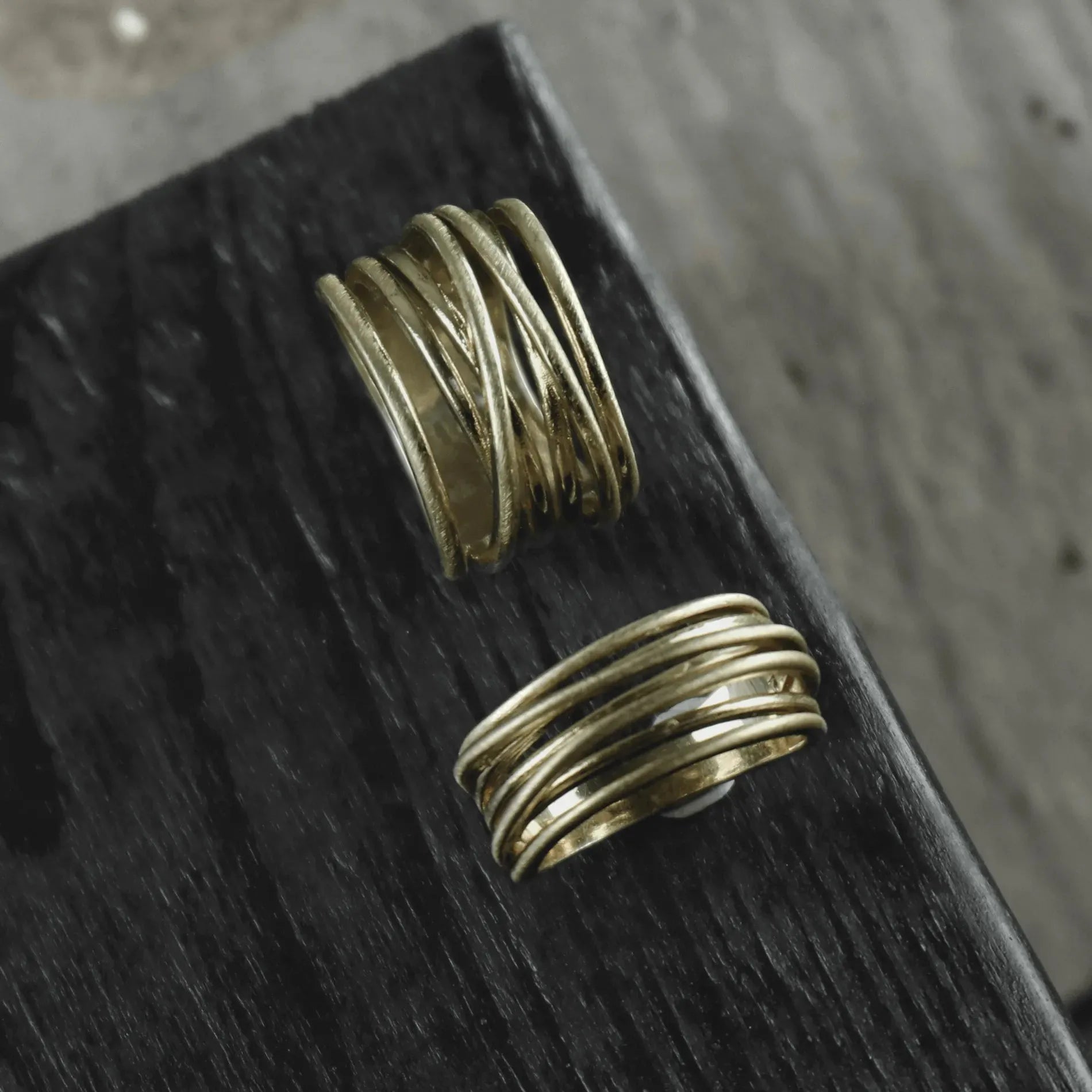
The best guide to waterproof jewellery materials is not only about what lasts longest on paper — it is about what fits your routine. If you wear jewellery nonstop, focus on 316L stainless steel with ION plating (PVD): the pieces most likely to keep their finish and feel easy in daily life. If you have sensitive skin, prioritise clearly labelled hypoallergenic options and avoid mystery metals. If your style changes often, you might mix a few highly durable essentials with more delicate fashion pieces — your everyday hoops, stacking rings, and go-to necklace can be waterproof, while more dramatic styles come out when the moment calls for them. It also helps to think by category: rings and bracelets face more friction from handwashing, desks, and movement, so material quality matters even more there.
A few smart care habits still make a difference
Waterproof does not mean careless. Even the best materials look better for longer with a little awareness — rinse off chlorine or salt water, wipe away lotion build-up, and store pieces separately to preserve the finish. Perfume, hair products, and heavy creams can create residue that dulls shine over time. You do not need an elaborate routine. Well-made waterproof jewellery is simply not demanding — it gives you more freedom. At DANSK Copenhagen, that freedom is the point: pieces designed to move with you, reflect your style, and support the way you actually live. When you are choosing your next piece, look beyond the shine of the moment. The right material is what turns jewellery from a finishing touch into something you truly live in. Explore the full DANSK Copenhagen waterproof jewellery collection.