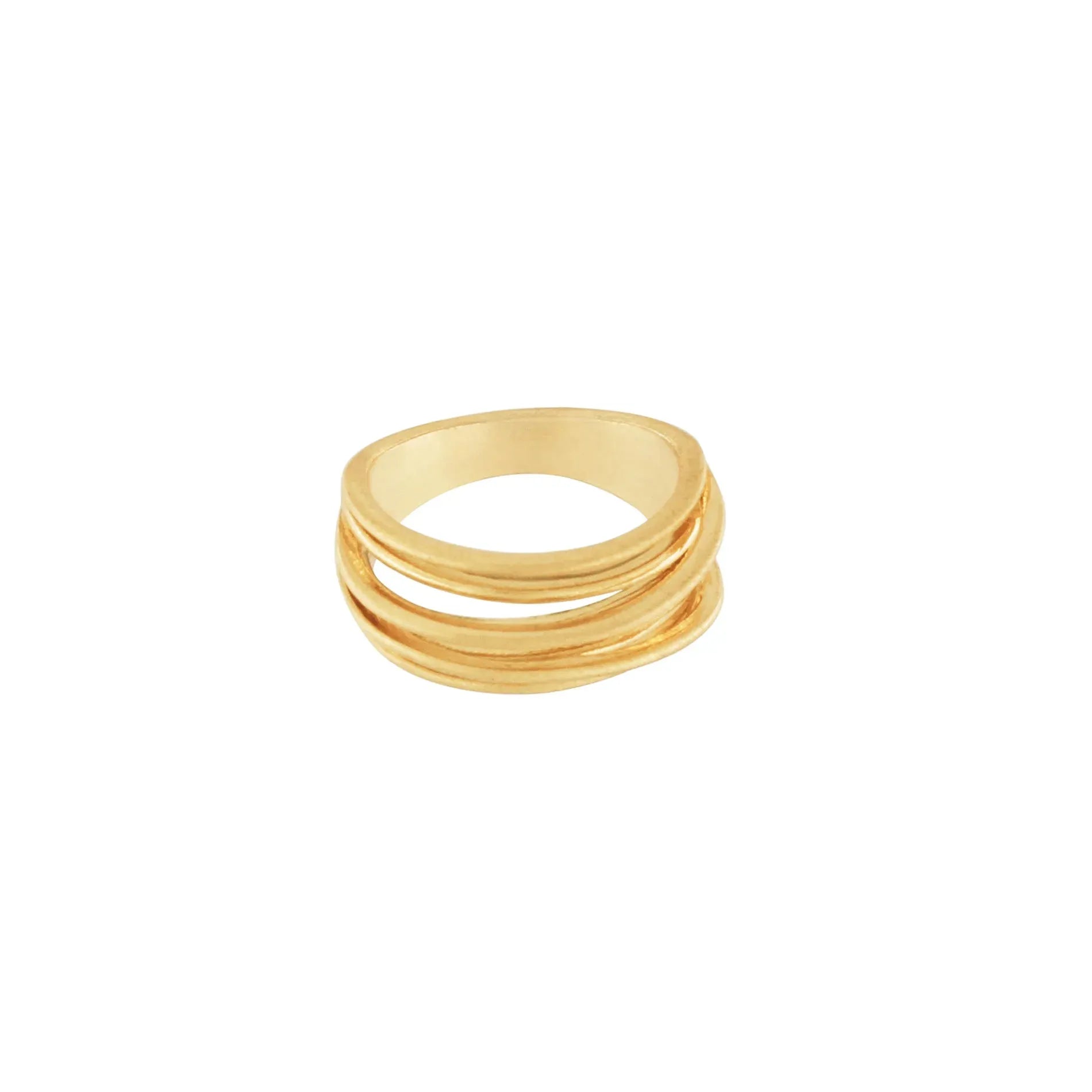
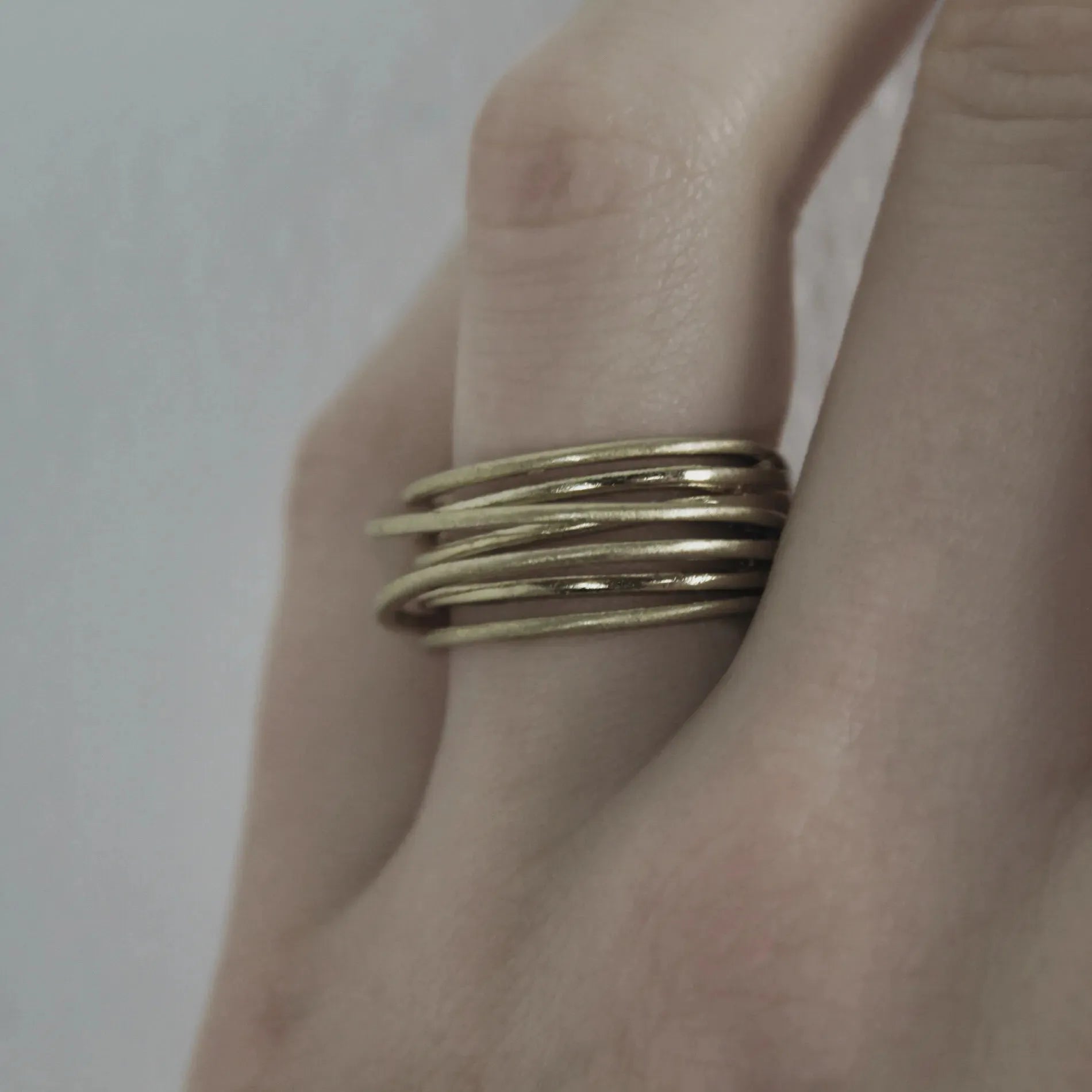
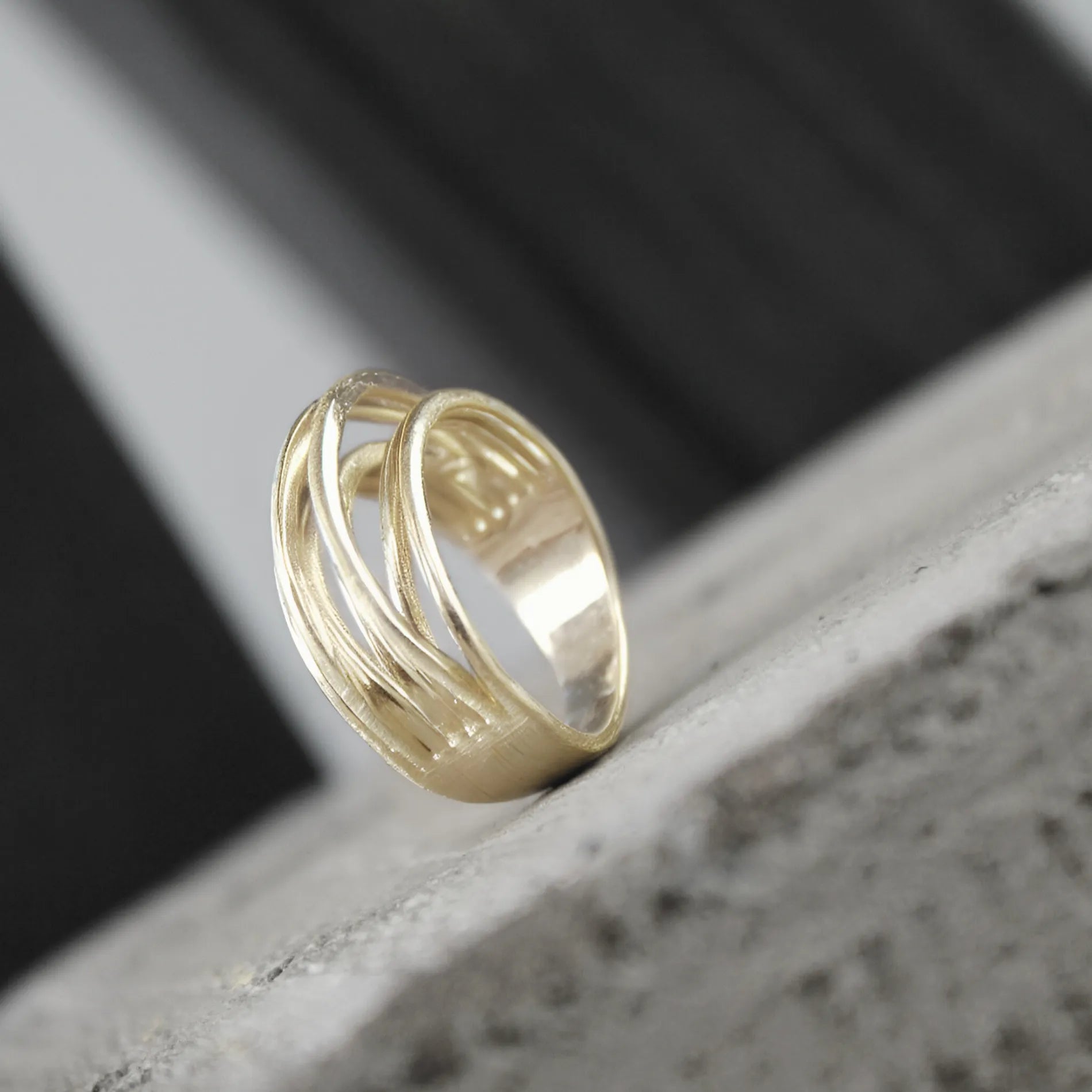
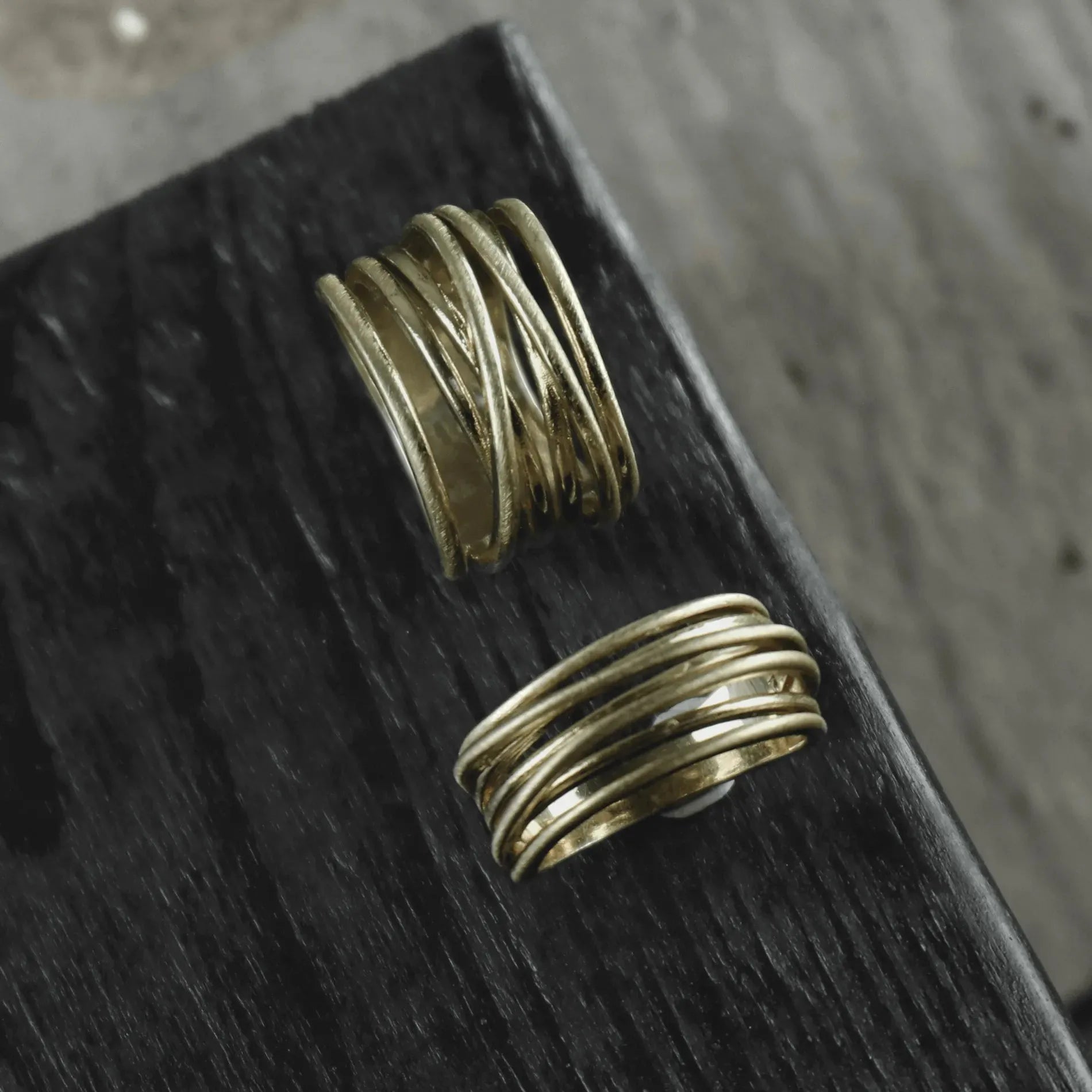
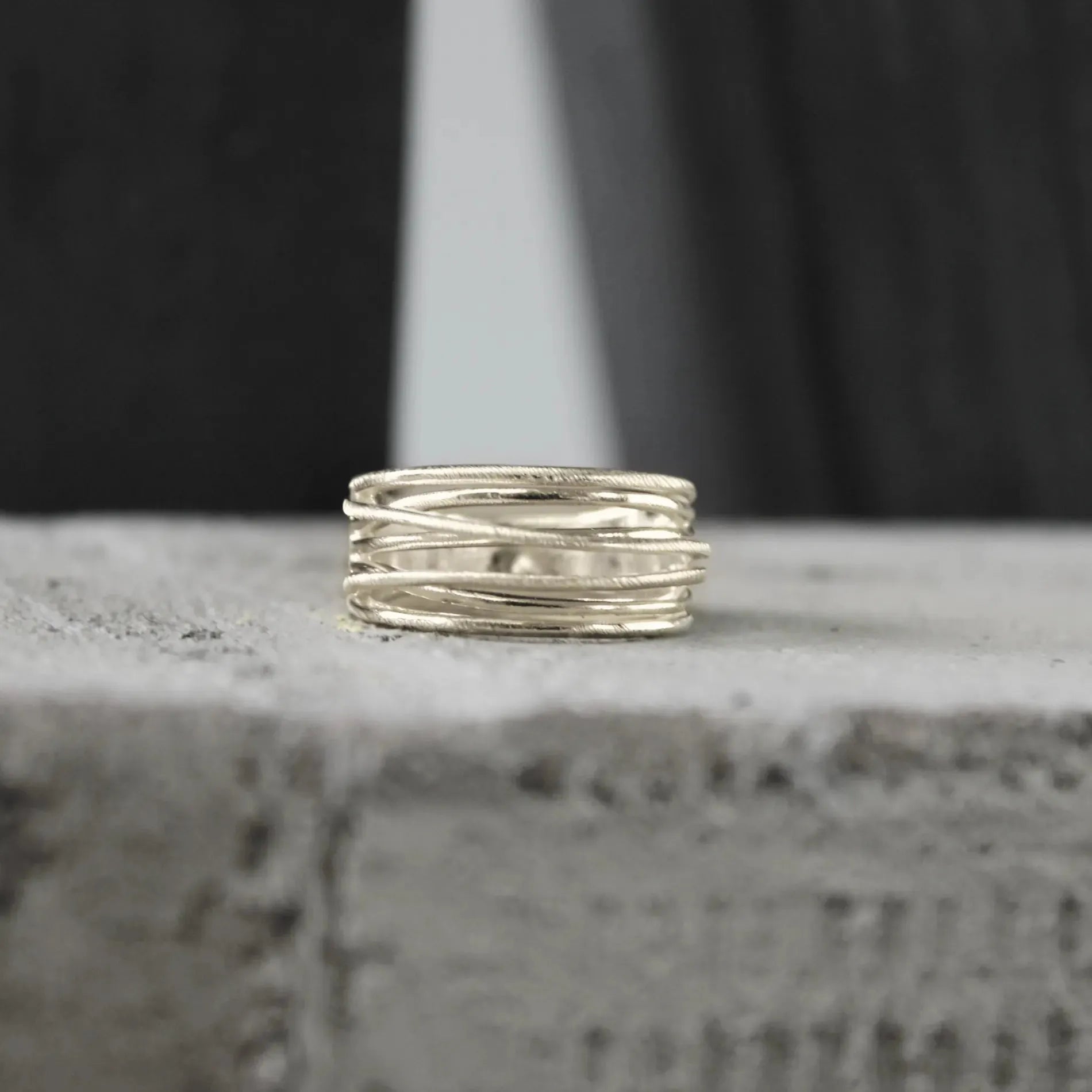
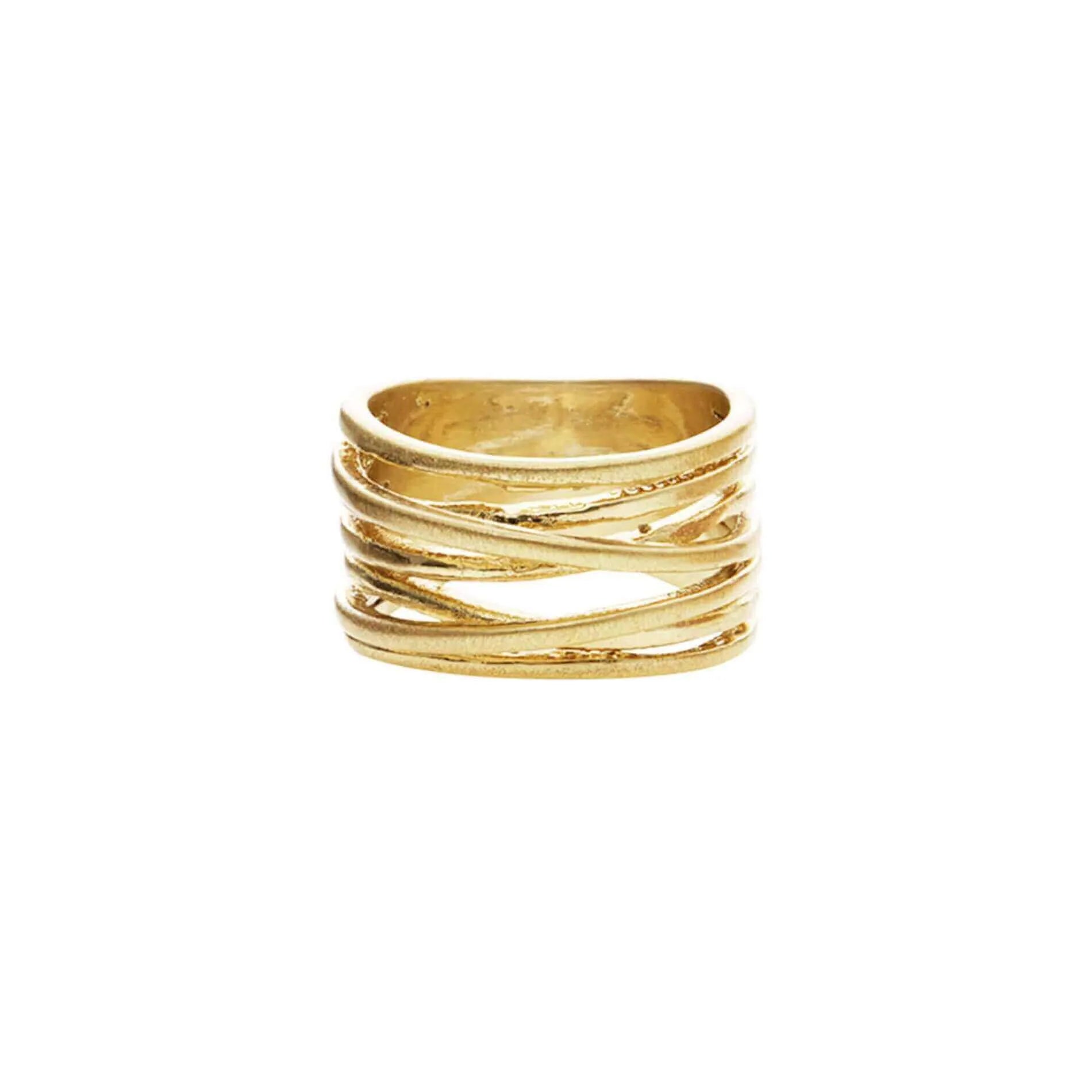
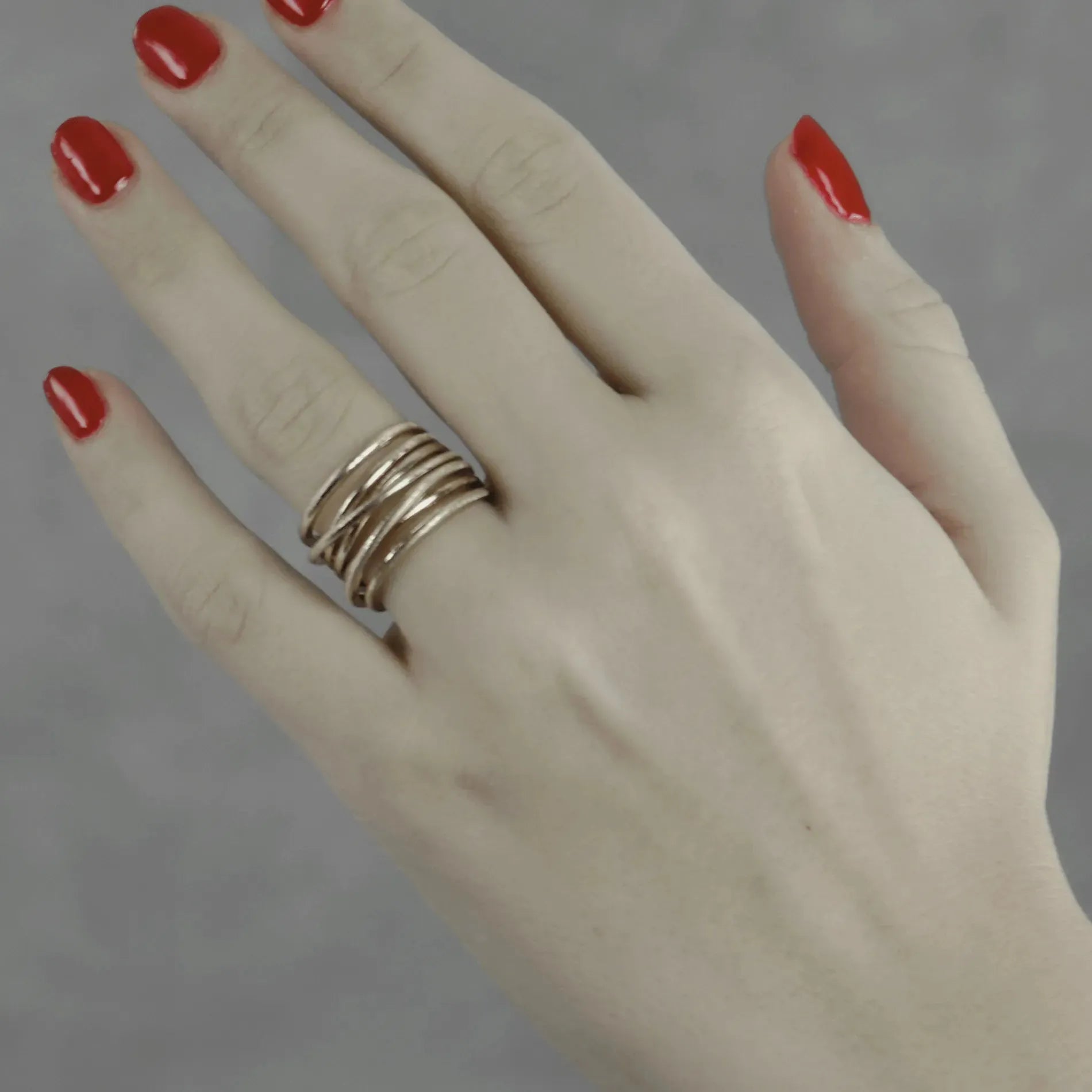



A necklace can look perfect on your skin tone and still leave your skin unhappy by the end of the day. So, is gold plated jewelry hypoallergenic? Sometimes - but not always. The answer depends on what sits underneath the gold, how thick the plating is, and how sensitive your skin really is.
That gray area matters if you love layered chains, stacked rings, or earrings you never want to take off. Gold plating can give you the warm, elevated look of gold at a more accessible price point, but skin comfort comes down to materials, not just finish. If you have sensitive skin, the details are everything.
Is gold plated jewelry hypoallergenic or not?
Gold plated jewelry is not automatically hypoallergenic. A gold plated piece has a thin layer of gold over a base metal, and that base metal is what often determines whether your skin will react.
Pure gold is generally well tolerated, which is why gold itself is not usually the issue. The challenge is that plating is just the outer layer. Over time, that layer can wear down from friction, sweat, water, skincare, and everyday use. Once that happens, your skin may come into contact with the metal underneath.
If the base metal contains nickel, that is where problems often start. Nickel is one of the most common triggers for jewelry irritation. For some people, a nickel-containing base will cause redness, itching, or a rash almost immediately. For others, it may only happen after repeated wear.
So if you are asking whether gold plated jewelry is hypoallergenic, the real answer is this: it can be, but only when the full material construction supports sensitive skin.
What makes one gold plated piece gentler on skin than another?
Two gold plated necklaces can look nearly identical online and feel completely different on your skin. That is why material transparency matters so much.
The base metal matters most
If the jewelry is gold plated over surgical steel or another skin-friendly metal, it is more likely to feel comfortable for sensitive wearers. If it is plated over brass, copper, or a nickel-containing alloy, the chance of irritation may be higher, especially once the plating begins to wear.
Surgical steel is often a stronger choice for anyone who wants the gold look with better everyday wearability. It tends to be more stable, more durable, and better suited to shoppers who want pieces that can keep up with real life.
Plating thickness changes the experience
Not all gold plating is equal. A very thin layer may look beautiful at first but wear away faster, especially on rings, bracelets, and other pieces that rub against skin, fabric, desks, and bags. Thicker plating gives the base metal more protection and usually helps the finish last longer.
That does not mean thick plating guarantees a reaction-free experience forever. It simply gives you a better starting point.
Your skin chemistry plays a role
Body chemistry is rarely discussed enough in jewelry care. Sweat, lotion, sunscreen, perfume, and even humidity can speed up how fast plating breaks down. If your skin is highly reactive, you may notice irritation sooner than someone else wearing the exact same piece.
This is why one friend can wear gold plated hoops every day without a problem while another cannot wear them for more than an hour. Sensitivity is personal.
Common reactions people mistake for a gold allergy
When skin flares up after wearing jewelry, many people assume they are allergic to gold. In reality, gold allergies are less common than reactions to nickel or other alloys.
A reaction might show up as itching, redness, dry patches, tenderness, or green or dark discoloration on the skin. Discoloration is not always an allergy. Sometimes it is simply a chemical reaction between the metal, moisture, and your skin.
That distinction matters because it affects what you shop for next. If the issue is nickel sensitivity, switching to a hypoallergenic base metal can make a big difference. If the issue is trapped moisture, friction, or product buildup, better care habits may help just as much.
Who should be careful with gold plated jewelry?
If you have never had a reaction to jewelry, gold plated styles may work beautifully for you, especially for occasional wear. They are stylish, versatile, and ideal for creating that layered, expressive look without the price of solid gold.
If you already know you have sensitive ears, a nickel allergy, eczema, or easily irritated skin, you should be more selective. Earrings deserve extra attention because piercings create direct contact with skin. Rings can also be tricky because hands are washed often and exposed to soap, sanitizer, and water throughout the day.
For shoppers who want beauty and confidence in equal measure, choosing pieces labeled hypoallergenic or made with surgical steel is usually the smarter path.
How to shop smarter if you have sensitive skin
The best jewelry choices start with honest material information. Look past the color and the styling for a moment and check what the piece is actually made from.
Prioritize clear material labeling
Terms like gold tone and gold finish describe appearance, not skin compatibility. What you want to know is the base metal. If a product clearly says gold plated surgical steel or identifies itself as hypoallergenic, that is much more useful than a vague finish description.
Be cautious with earrings first
If your skin is reactive, test a brand with a necklace or bracelet before committing to earrings you plan to wear all day. Earrings can be the fastest category to reveal a problem.
Think about how you wear your jewelry
If you want pieces for special occasions, gold plating may be all you need. If you want something to wear from morning coffee to evening plans, every day and everywhere, more durable materials become more important. Waterproof and hypoallergenic features are especially valuable for daily wear.
For many style-conscious shoppers, the sweet spot is finding jewelry that still feels elevated and expressive while offering more practical comfort. That is where thoughtfully designed fashion jewelry stands out.
How to make gold plated jewelry more skin-friendly
Even when a piece is not fully hypoallergenic, a few habits can help reduce irritation and protect the finish.
Keep jewelry away from perfume, lotion, and hairspray until those products have dried on your skin. Remove plated pieces before showering, swimming, or exercising unless they are specifically designed for water exposure. Wipe them gently after wear to remove sweat and residue.
Storage also matters more than most people think. When pieces rub against each other in a drawer, plating can wear faster. Keeping jewelry dry, clean, and separated helps preserve that top layer.
If a piece starts causing irritation after months of comfortable wear, the plating may simply be fading. That is often a sign to retire it from everyday use and save it for shorter styling moments.
Gold plated vs hypoallergenic jewelry: what is the difference?
This is where shoppers often get mixed messages. Gold plated describes how a piece is finished. Hypoallergenic describes how likely it is to be tolerated by sensitive skin. They are not interchangeable.
A piece can be gold plated and hypoallergenic if it is made over a skin-friendly base metal and designed with sensitive wearers in mind. A piece can also be gold plated and irritating if the base includes nickel or if the plating wears quickly.
That difference is worth paying attention to when you build your everyday jewelry wardrobe. The best pieces do more than complete an outfit. They let you move through your day feeling polished, comfortable, and fully yourself.
At DNSK Copenhagen, that balance between style and wearability is part of what makes modern jewelry feel empowering rather than complicated.
So, should you buy gold plated jewelry if you have sensitive skin?
Yes - but with intention. Gold plated jewelry can absolutely be part of your collection if you choose better base metals, pay attention to product labeling, and match the piece to how often you plan to wear it.
For occasional sparkle, you may have plenty of flexibility. For everyday layering, gifting, and all-day comfort, it is worth being more selective. Look for hypoallergenic claims backed by material details, and give extra weight to surgical steel, waterproof construction, and skin-friendly design.
Jewelry should feel like an extension of your personal style, not a compromise you notice on your skin. When you choose with both beauty and materials in mind, you make space for pieces that bring confidence, ease, and a little more joy to every outfit.