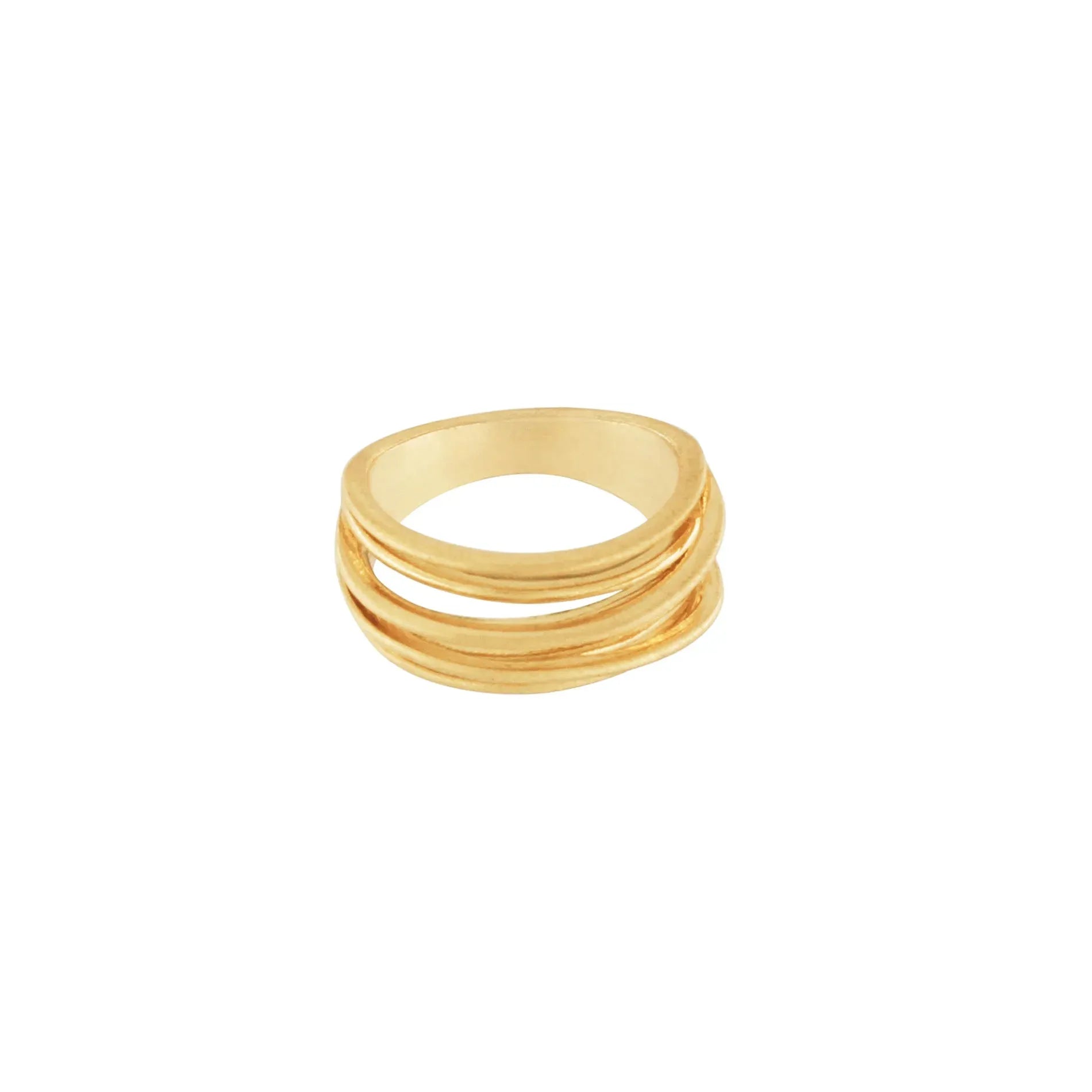
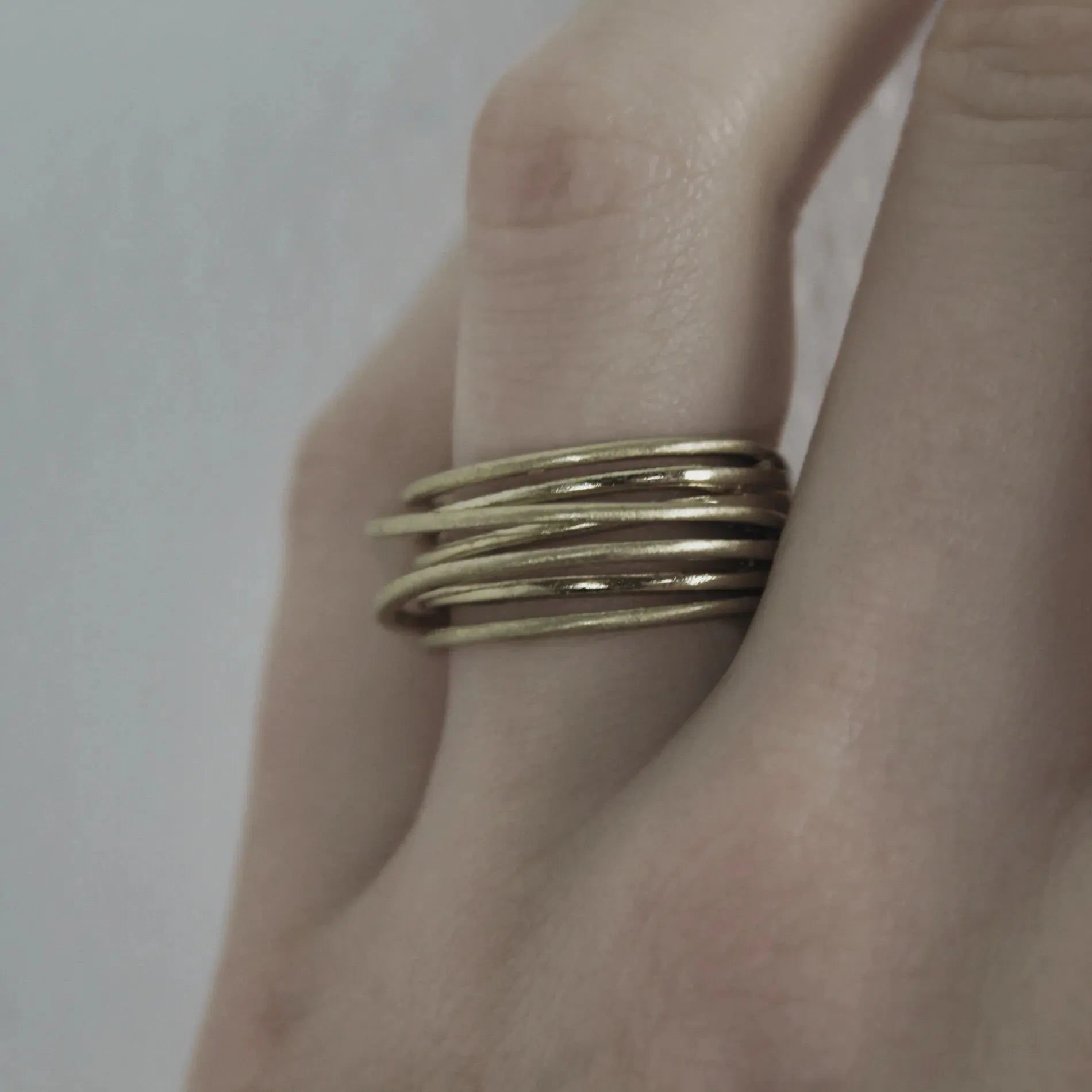
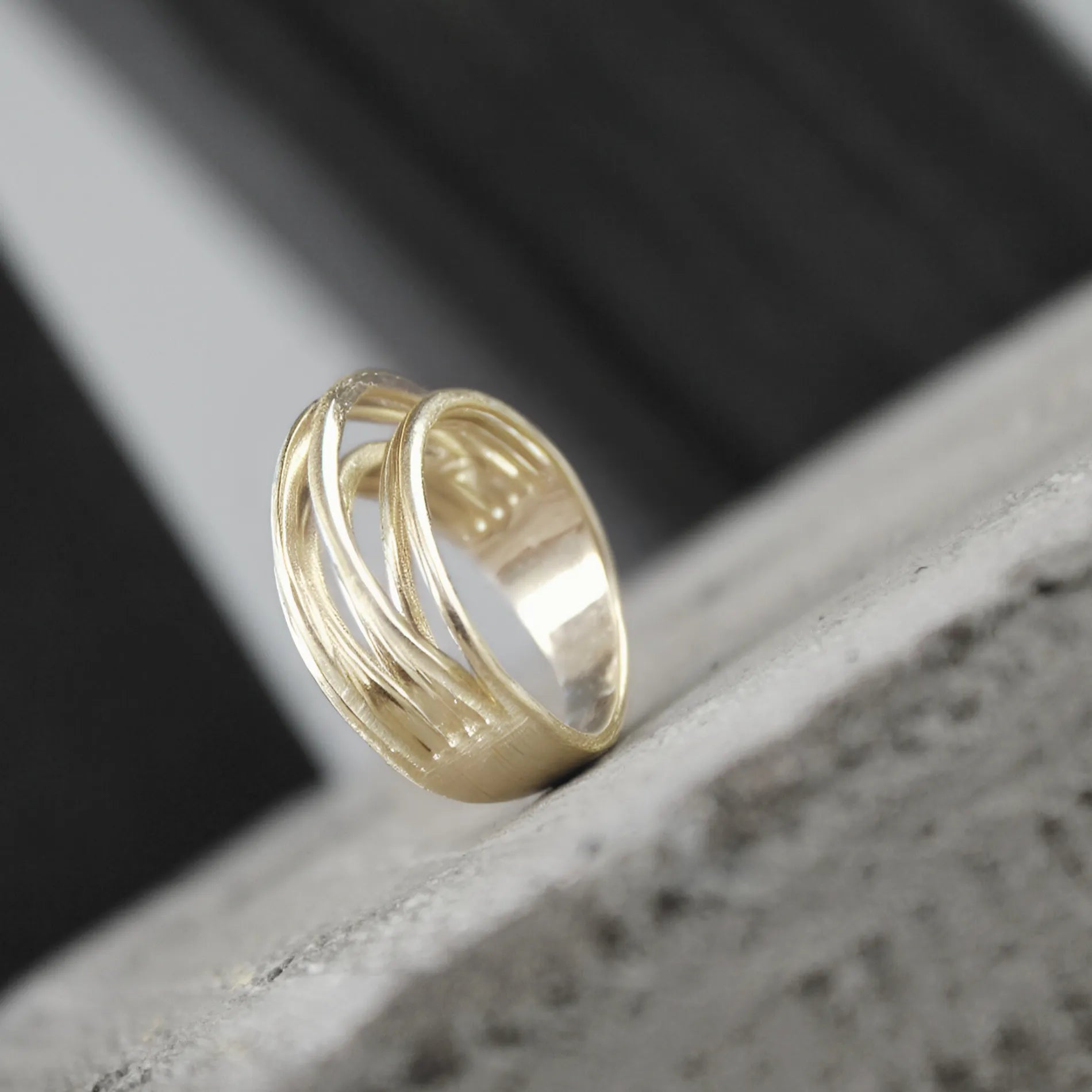
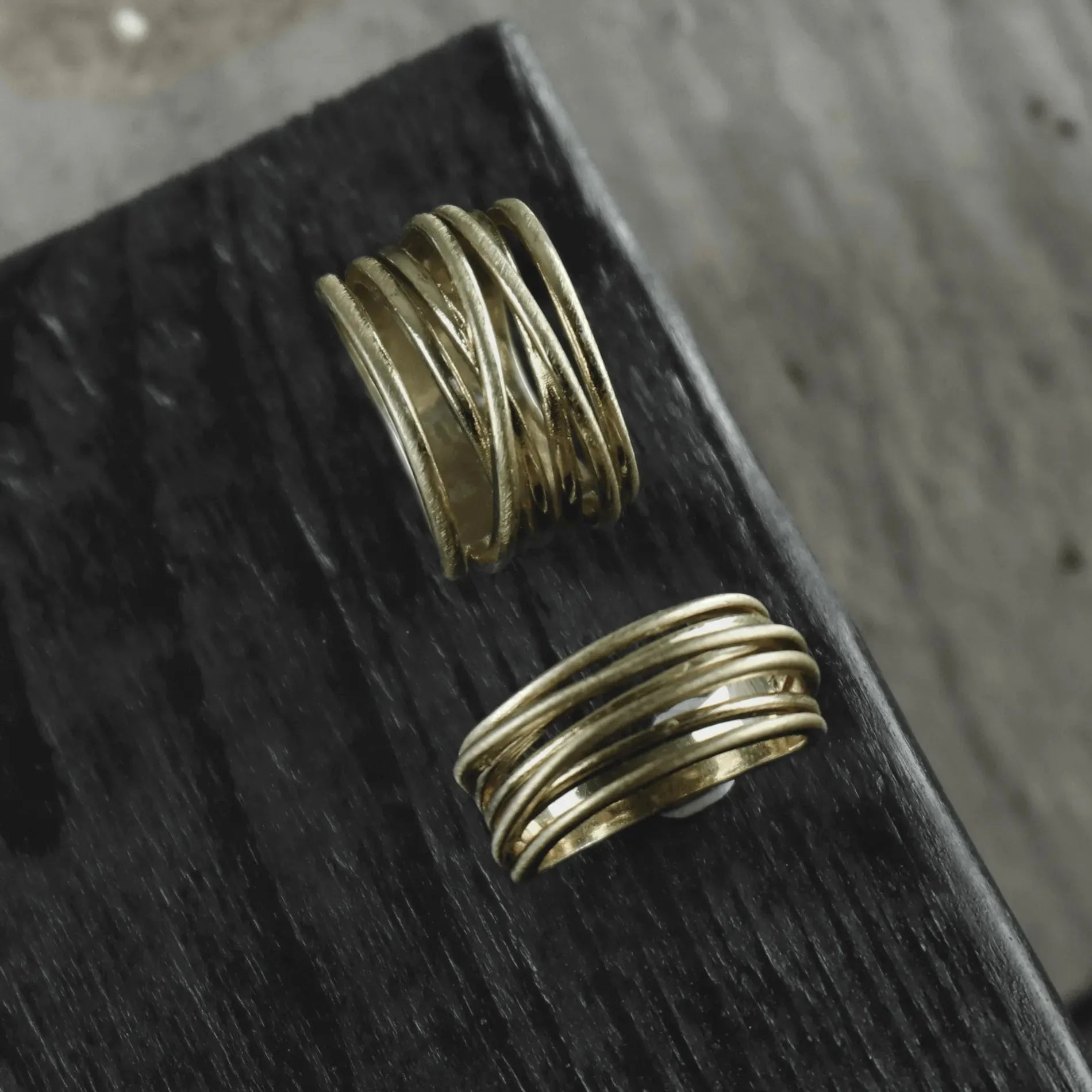
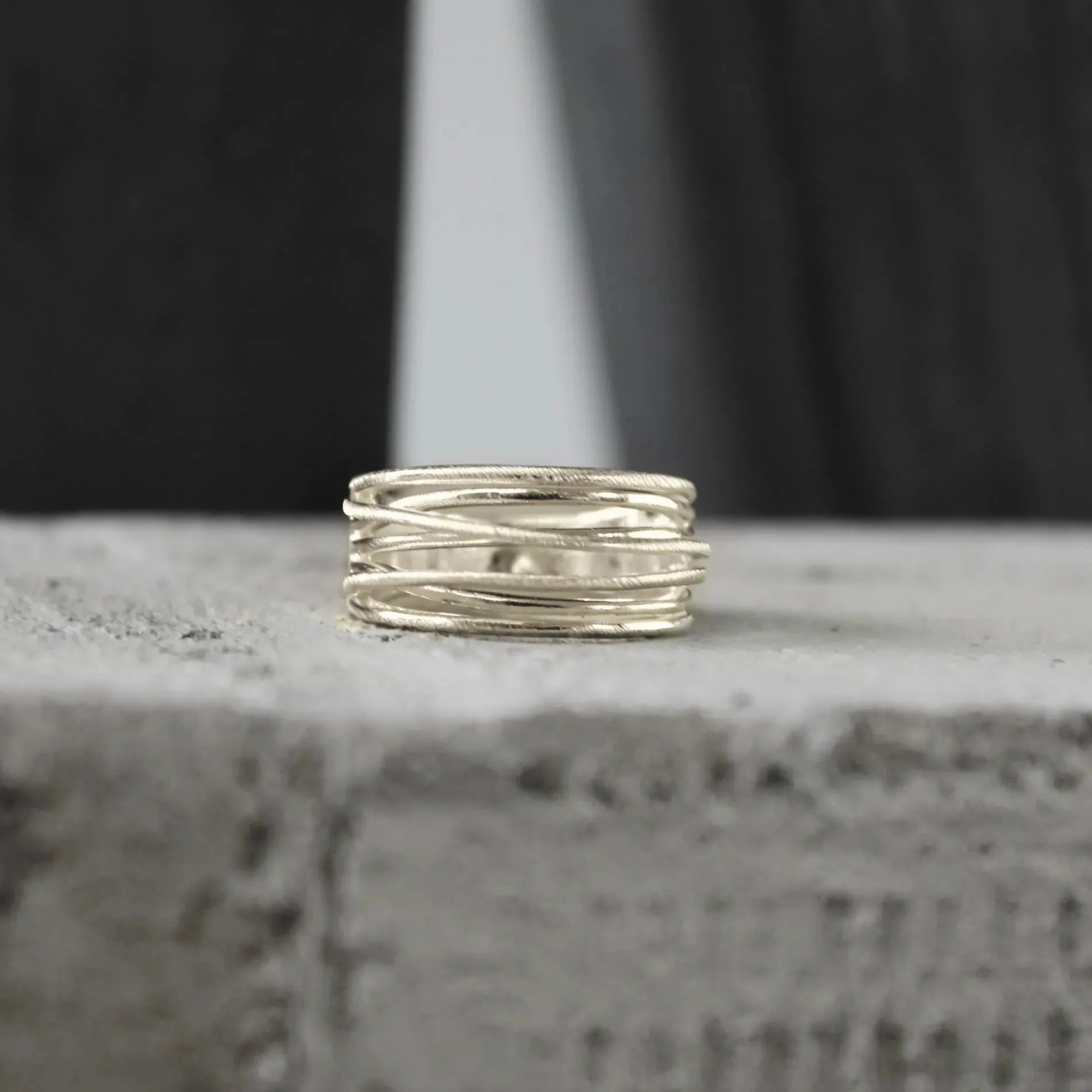
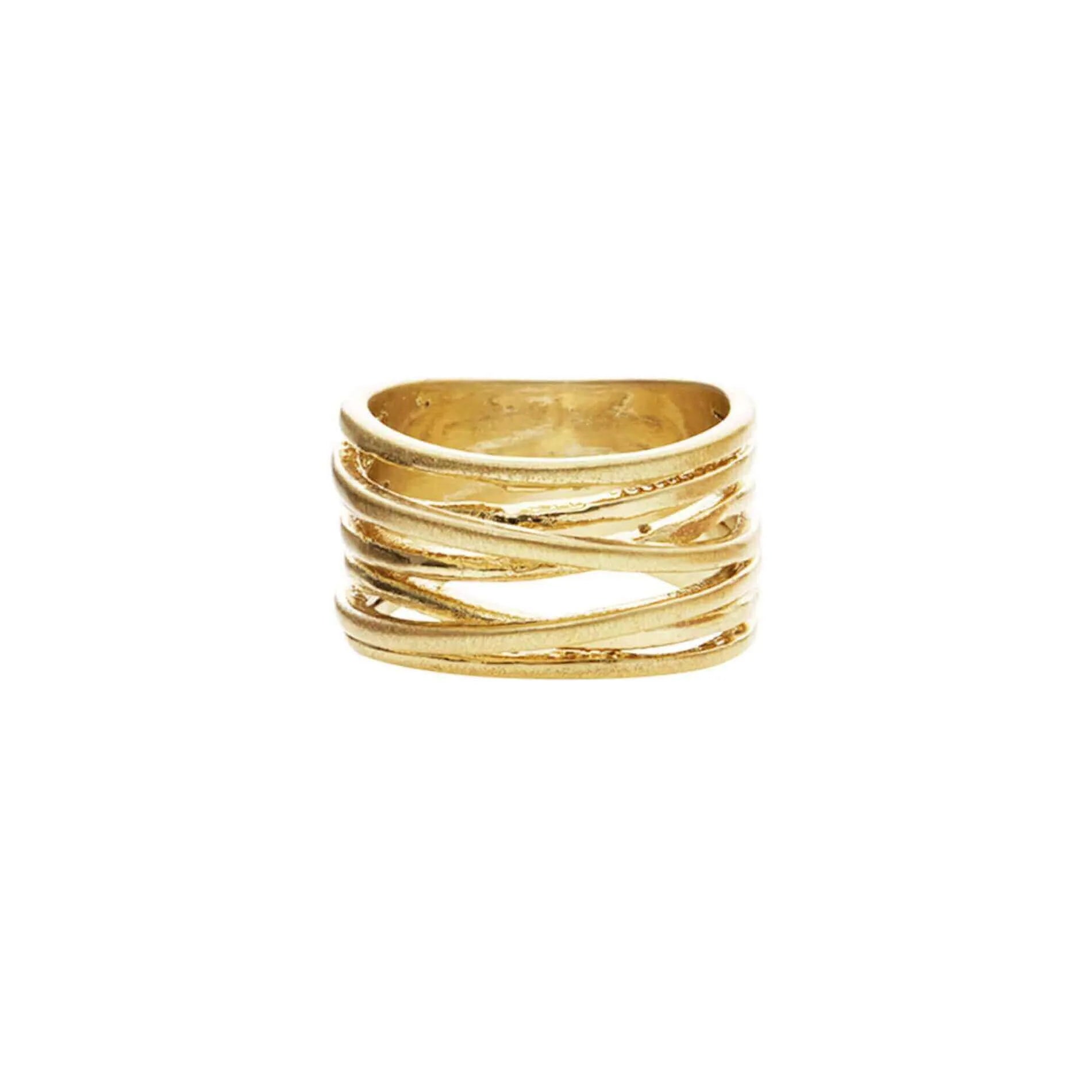
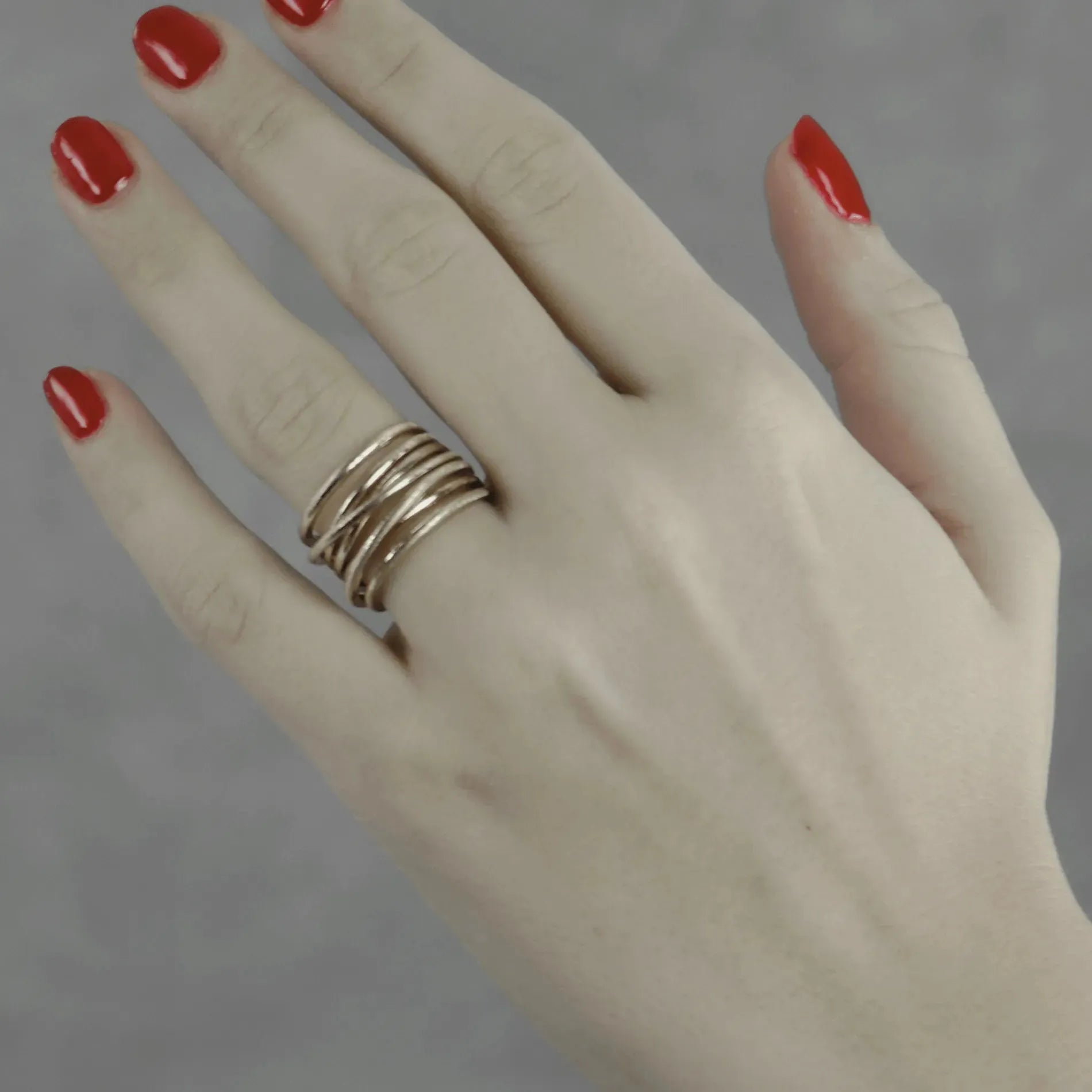
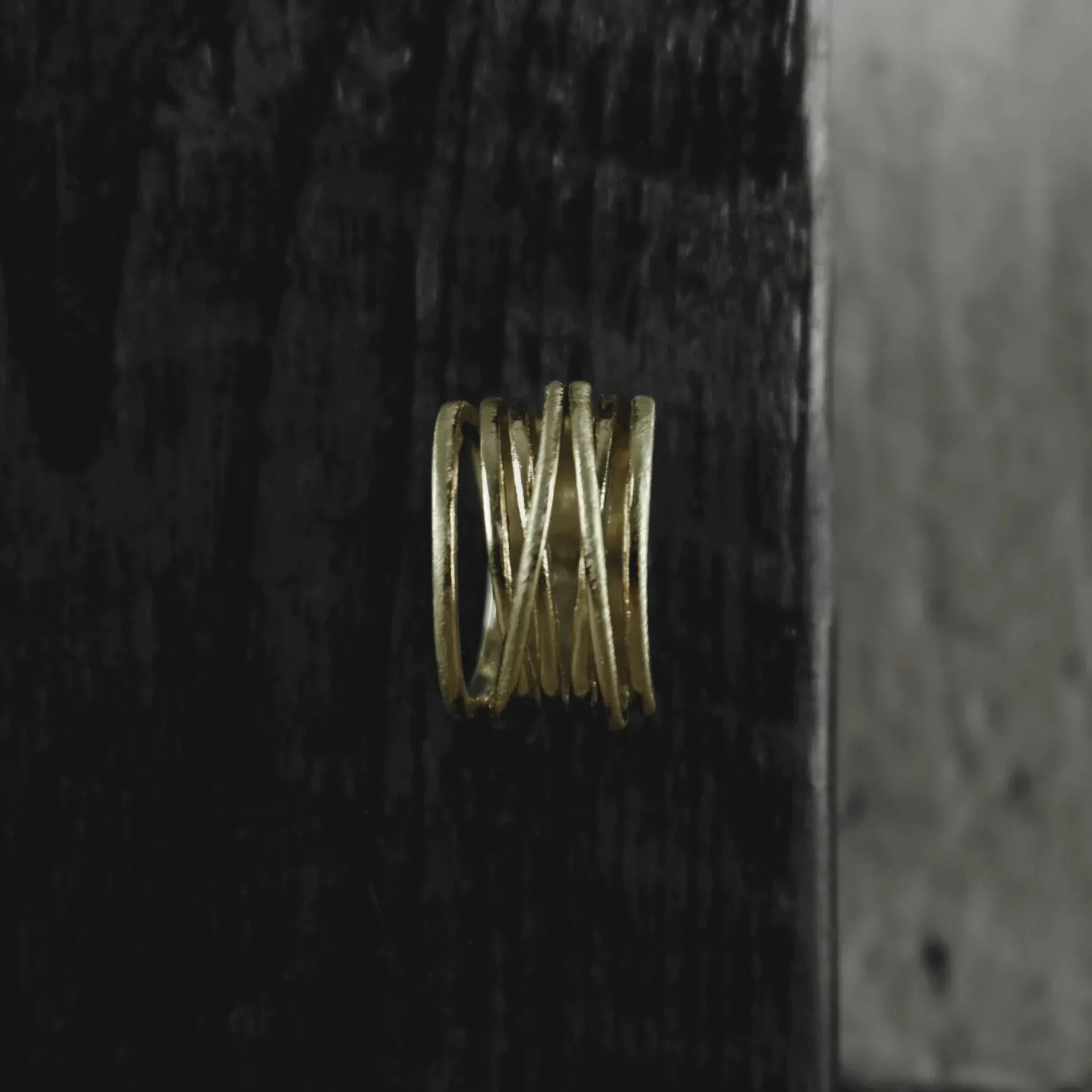
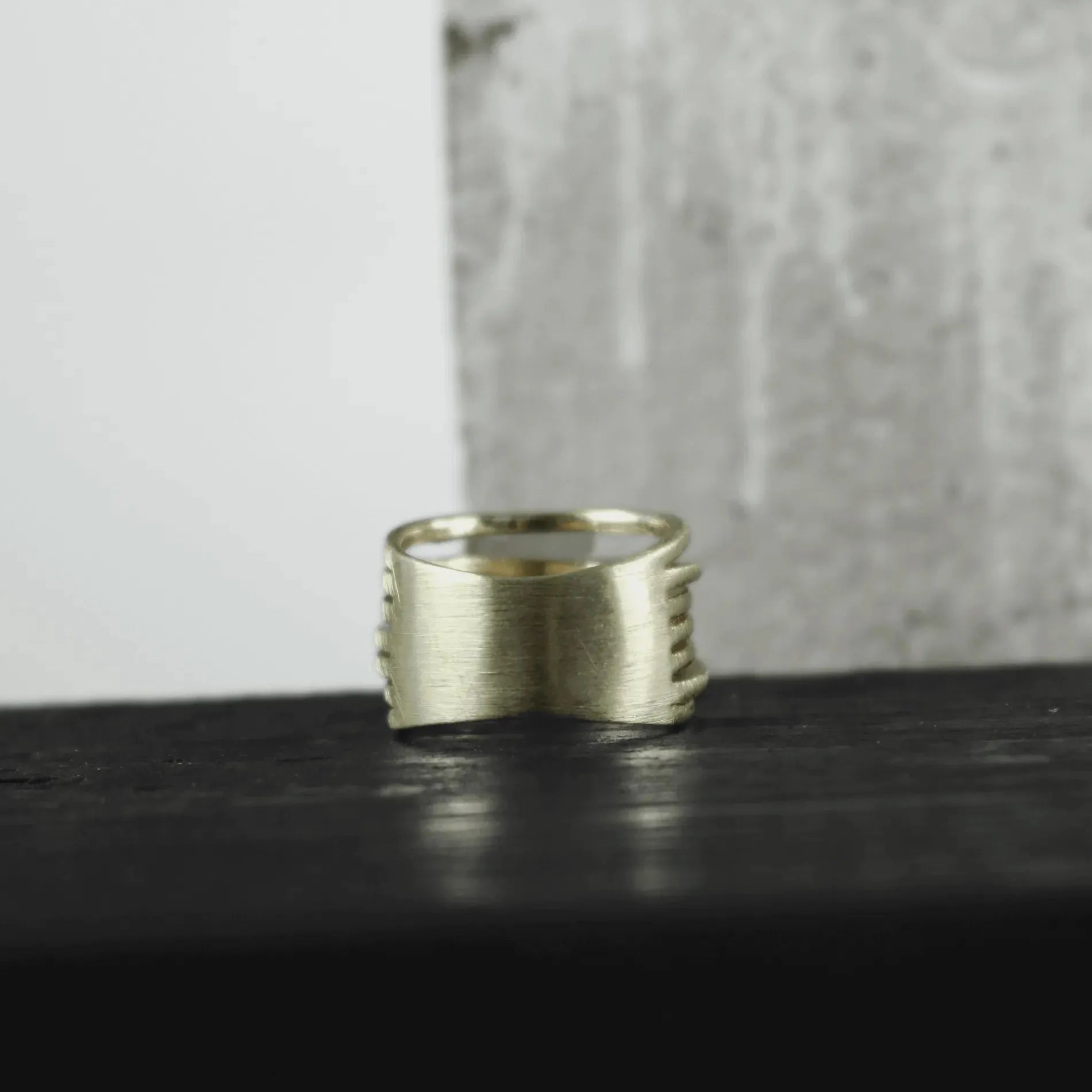
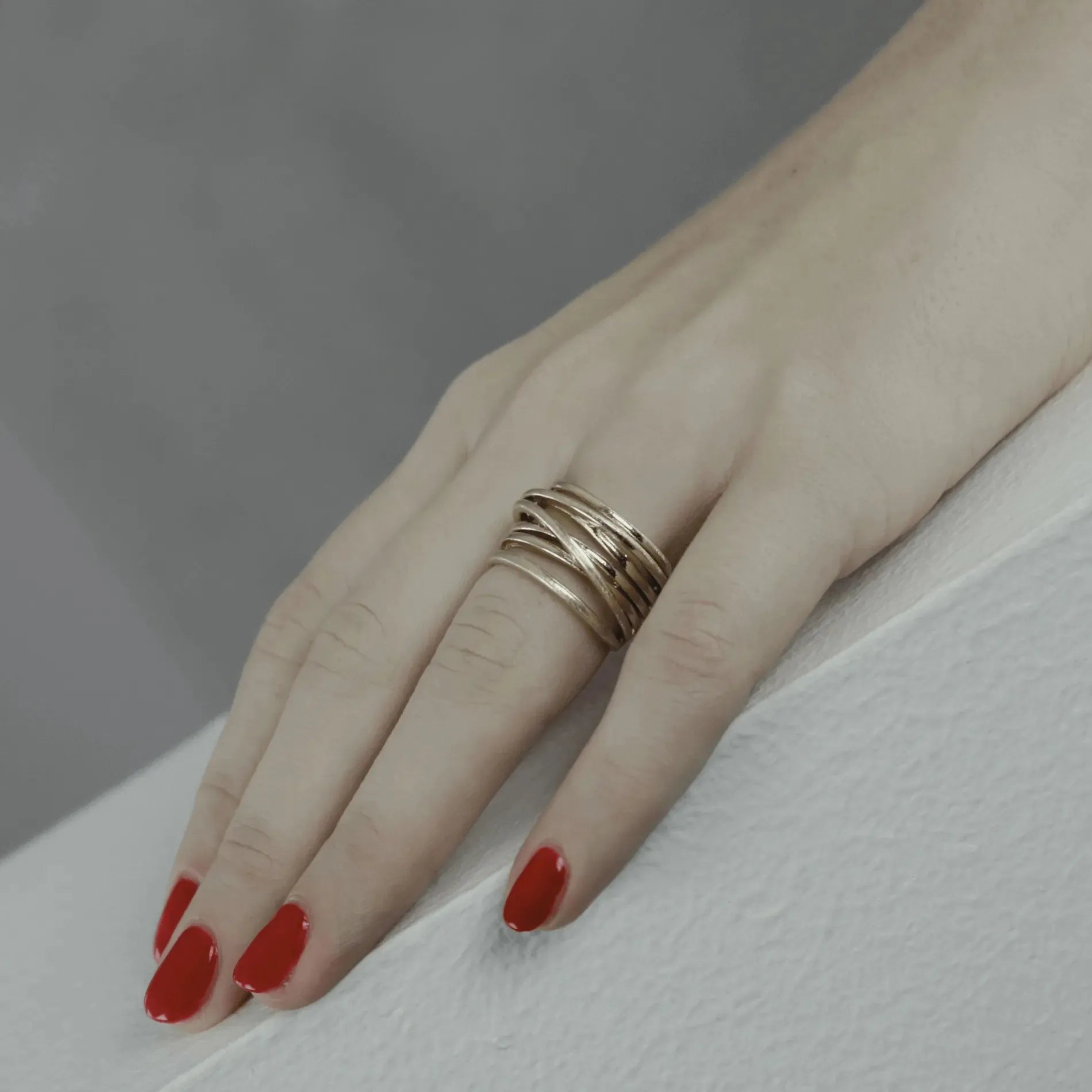



The best waterproof jewellery material is 316L stainless steel. It does not rust, react with water or change colour, so it can stay on in the shower, the sea and the pool. What decides whether jewellery is waterproof is the base metal, not the label.
At DANSK Copenhagen, every design is made from 316L stainless steel and is waterproof and hypoallergenic.
Which jewellery materials are waterproof?
| Material | Waterproof? | What happens in water |
|---|---|---|
| 316L stainless steel | Yes | Stays bright; no rust or discolouration |
| 18K ION plating on 316L steel | Yes | Colour is bonded to the steel and resists tarnishing |
| Titanium | Yes | Stable, but rarely used in fashion jewellery |
| Sterling silver | Partly | Tarnishes with water, sweat and chlorine |
| Brass and copper | No | Darkens and can leave green marks on skin |
| Standard gold plating on brass | No | Wears through faster with water and friction |
What does "waterproof jewellery" actually mean?
It means you can wear it through everyday water: showers, swimming, rain and workouts. The metal does not rust, and the colour does not wash off.
Read more on our page about waterproof jewellery.
Why 316L steel is the best base metal
316L is a low-carbon grade of stainless steel. It resists corrosion from salt water, chlorine and sweat, and it is gentle on most sensitive skin.
Our silver tone is the natural colour of the steel, solid to the core, so it is tarnish-free. Our gold is 18K ION plated, bonded directly to the steel for a harder finish than standard plating. Learn the difference in ION vs PVD plating.
Waterproof vs regular jewellery
Regular fashion jewellery is usually brass or another alloy with a thin plated layer. It looks good at first, but water, soap and sweat slowly wear the surface. That is why many people take it off before the shower.
Waterproof jewellery in 316L steel removes that routine. You put it on in the morning and keep it on.
Is waterproof jewellery worth it?
For jewellery you wear every day, yes. You pay a little more than for basic fashion jewellery, and in return the colour lasts and you never have to think about water.
It is especially worth it for:
- Earrings and necklaces you sleep, shower and train in.
- Holidays, where you go from the sea to dinner without changing.
- Gifts, because the person receiving them does not need care instructions.
How to keep waterproof jewellery bright
Rinse after the sea or the pool, pat dry and wipe now and then with a soft cloth. For a full routine, see our guide to waterproof jewellery care.
Explore all waterproof jewellery or start with our ESSENTIALS.
Frequently asked questions
What is the best material for waterproof jewellery?
316L stainless steel. It does not rust or change colour in water, and it is gentle on most sensitive skin.
Is gold plated jewellery waterproof?
It depends on the metal underneath. 18K ION plating on 316L steel is waterproof; standard gold plating on brass wears faster in water.
Is waterproof jewellery worth the money?
For everyday jewellery, yes. The colour lasts through water and sweat, so you can keep it on from morning to night.
No stockist near you yet? Get in touch and we'll do our best to find one in your area.