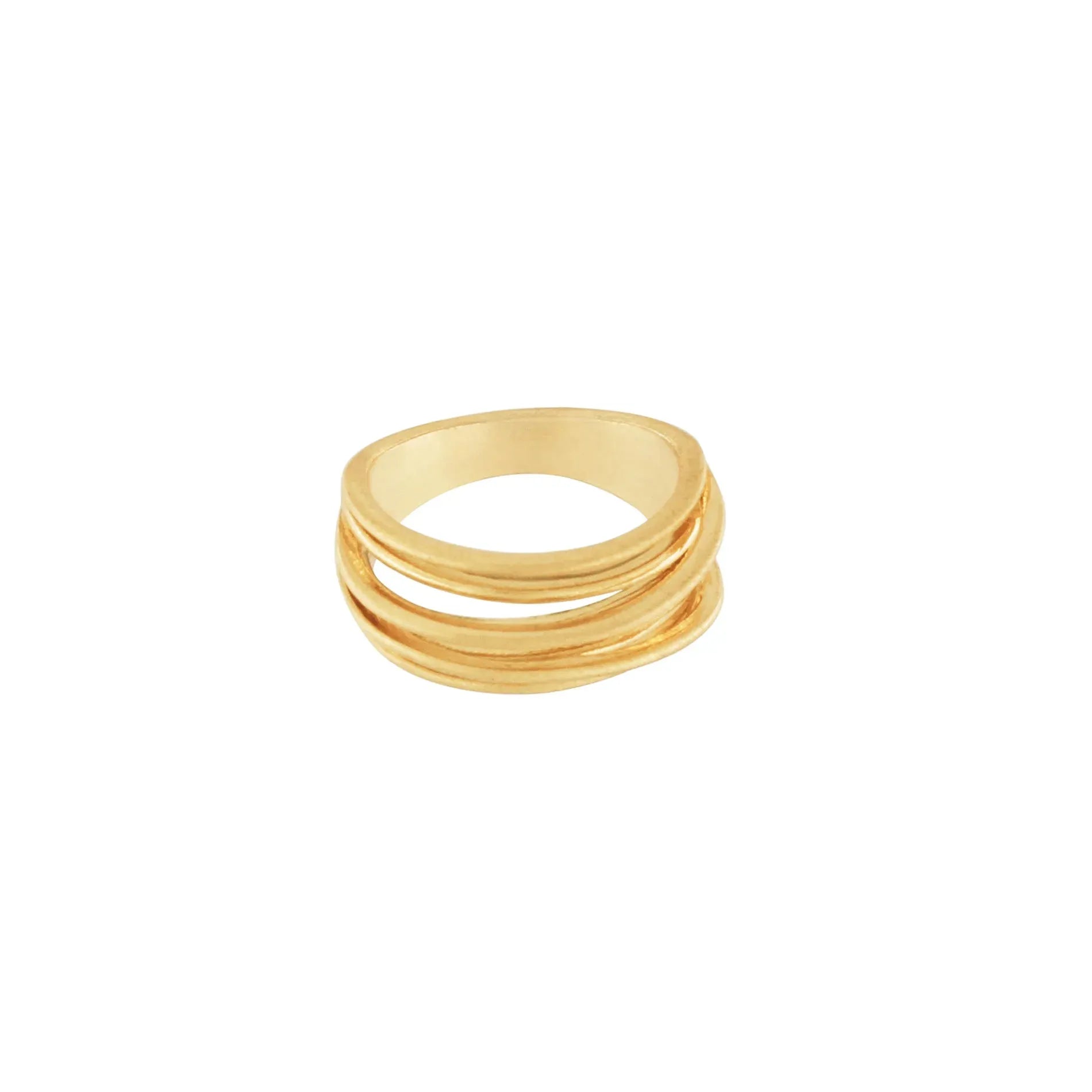
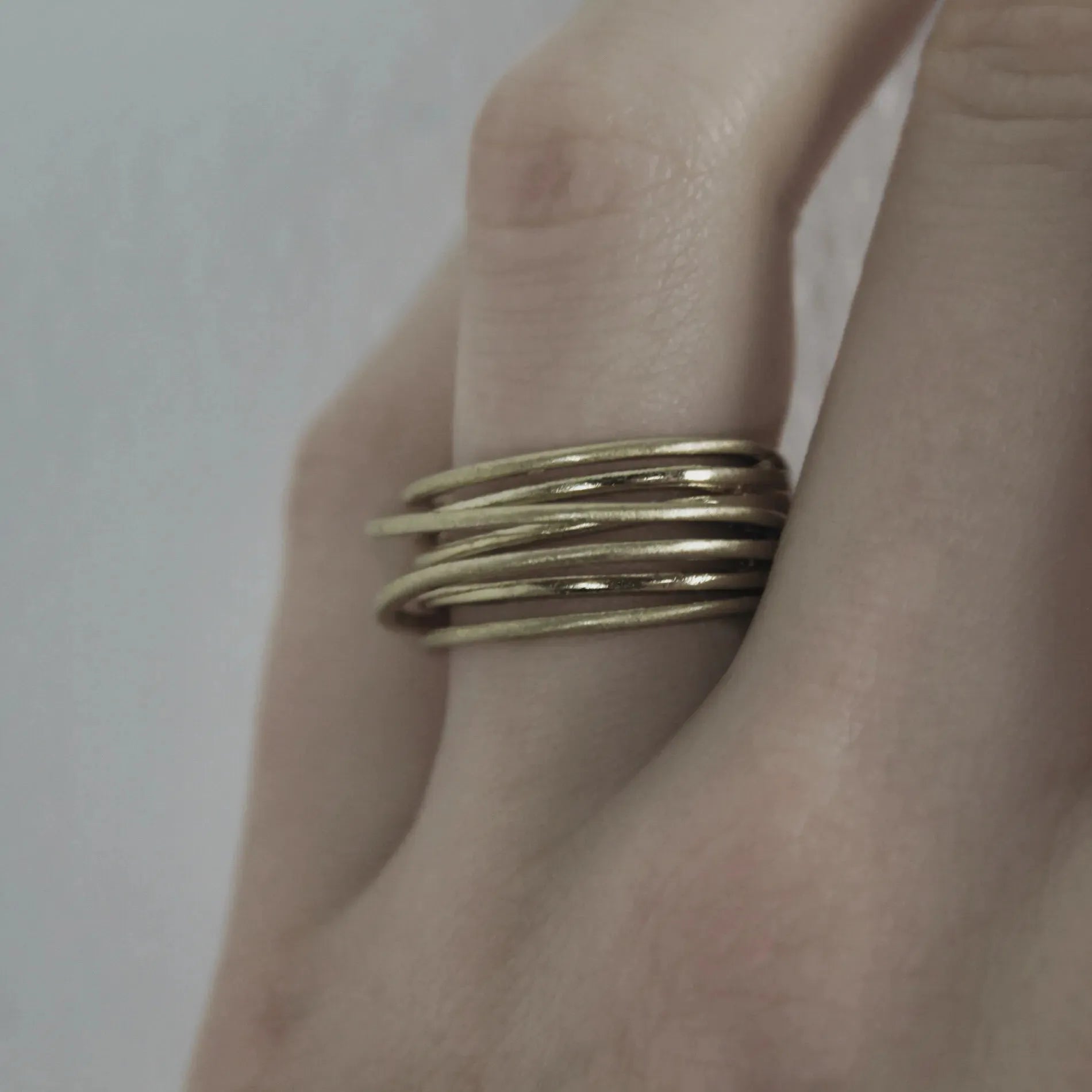
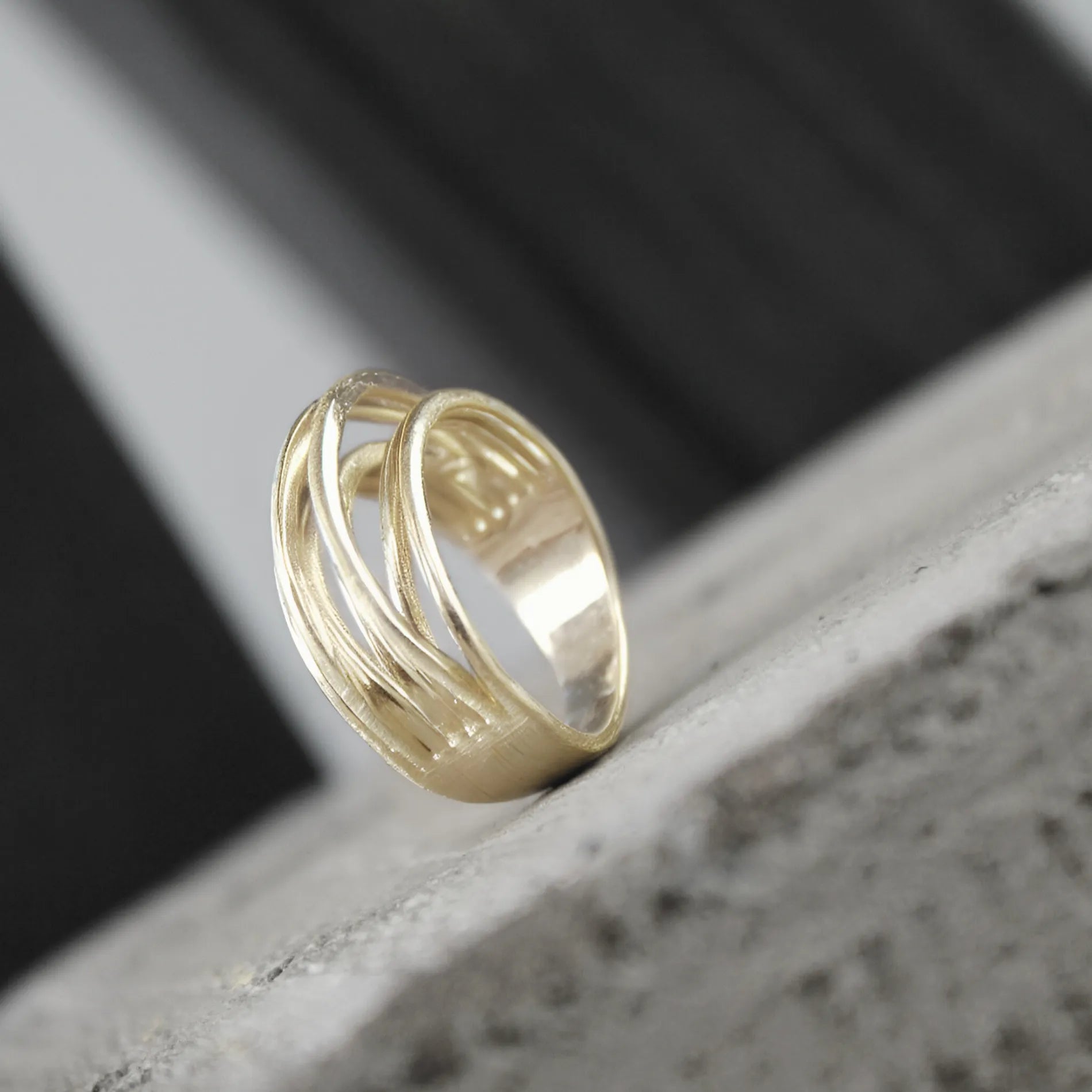
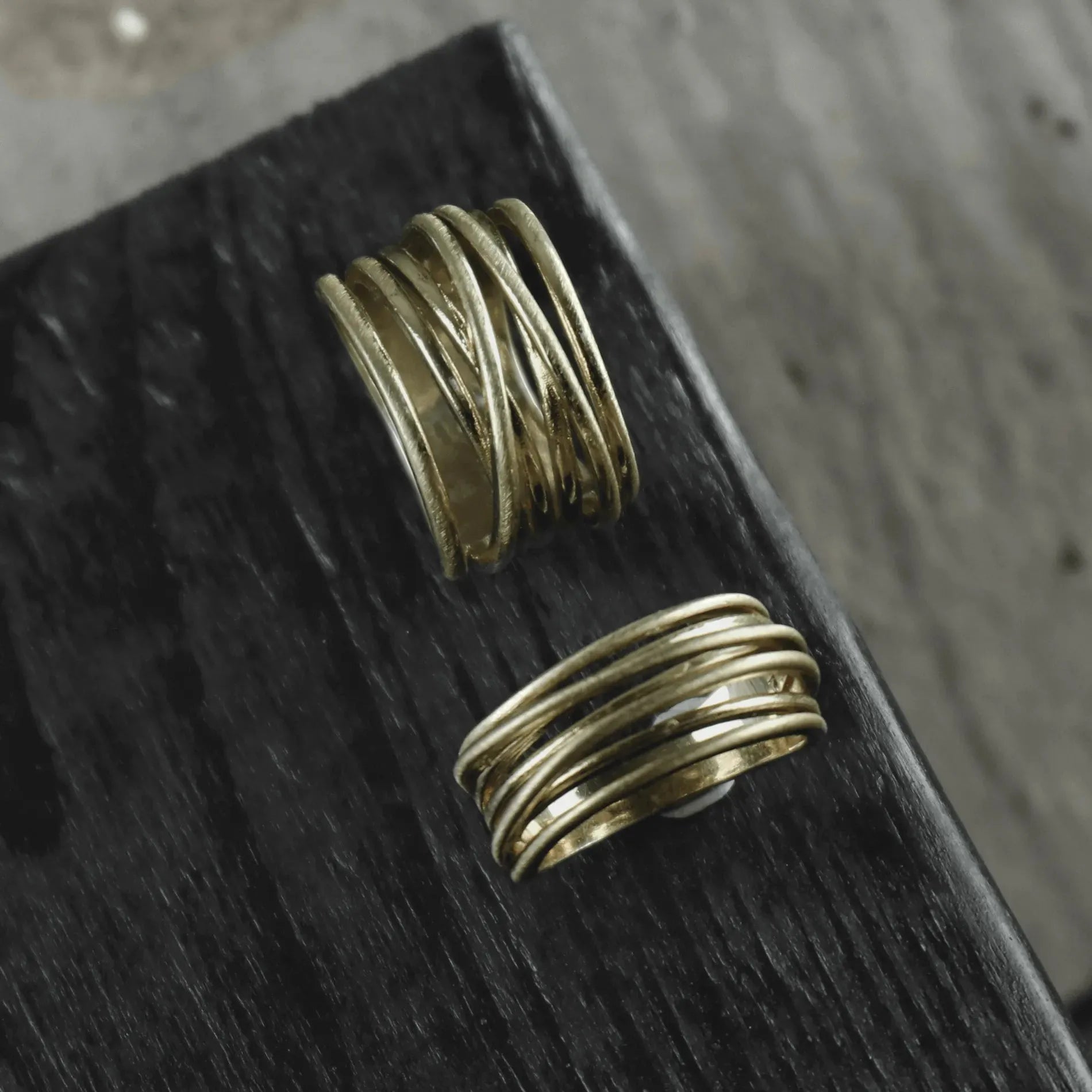
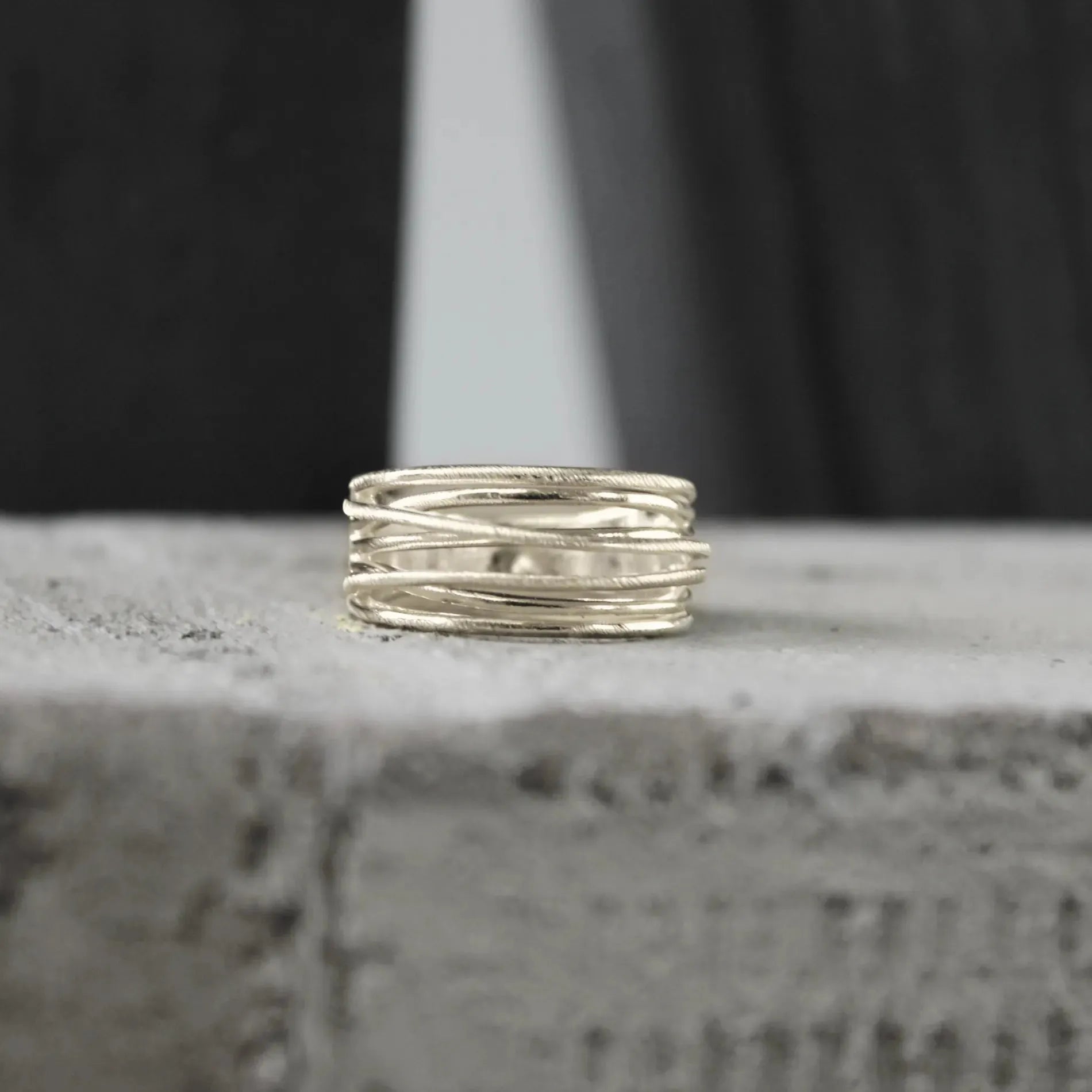
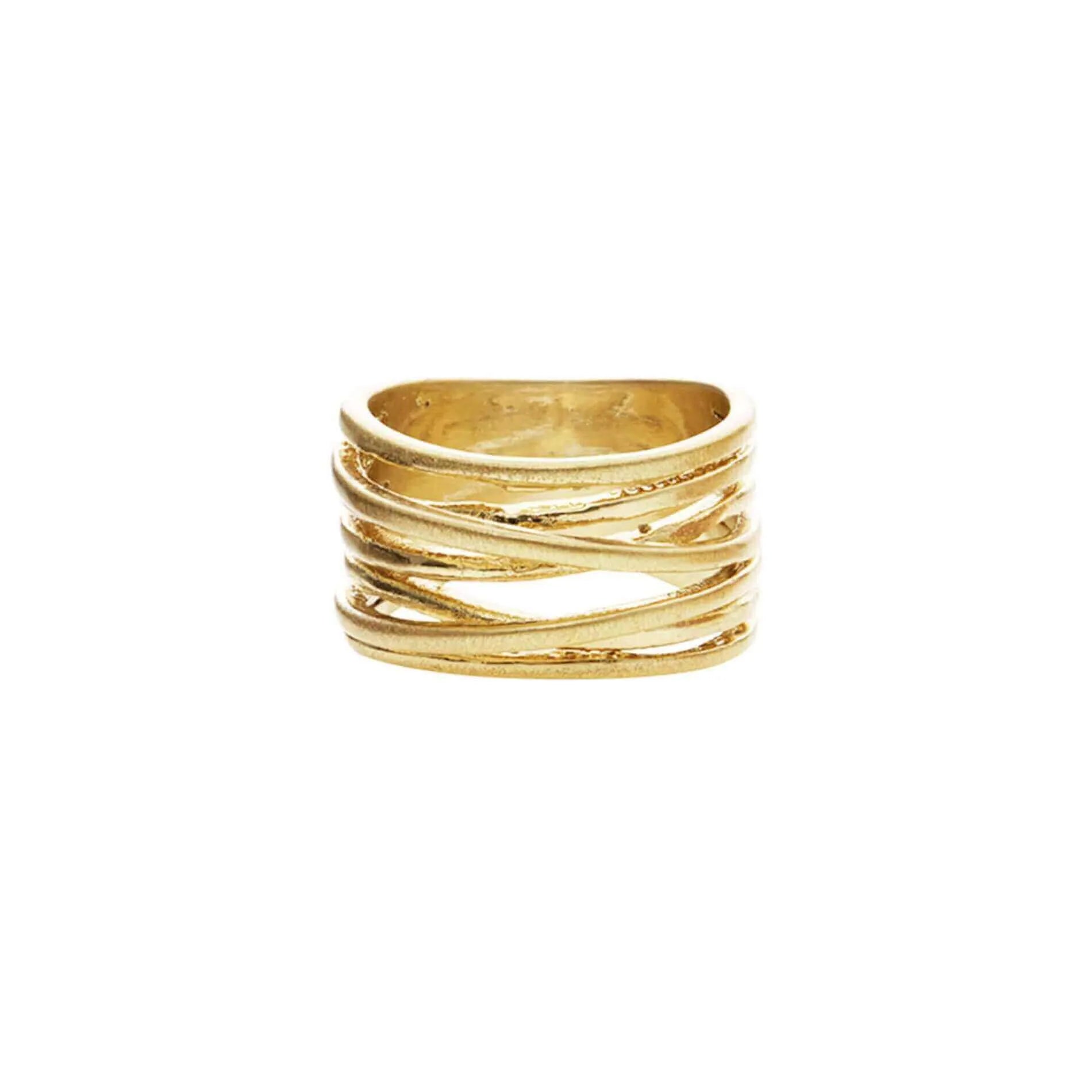
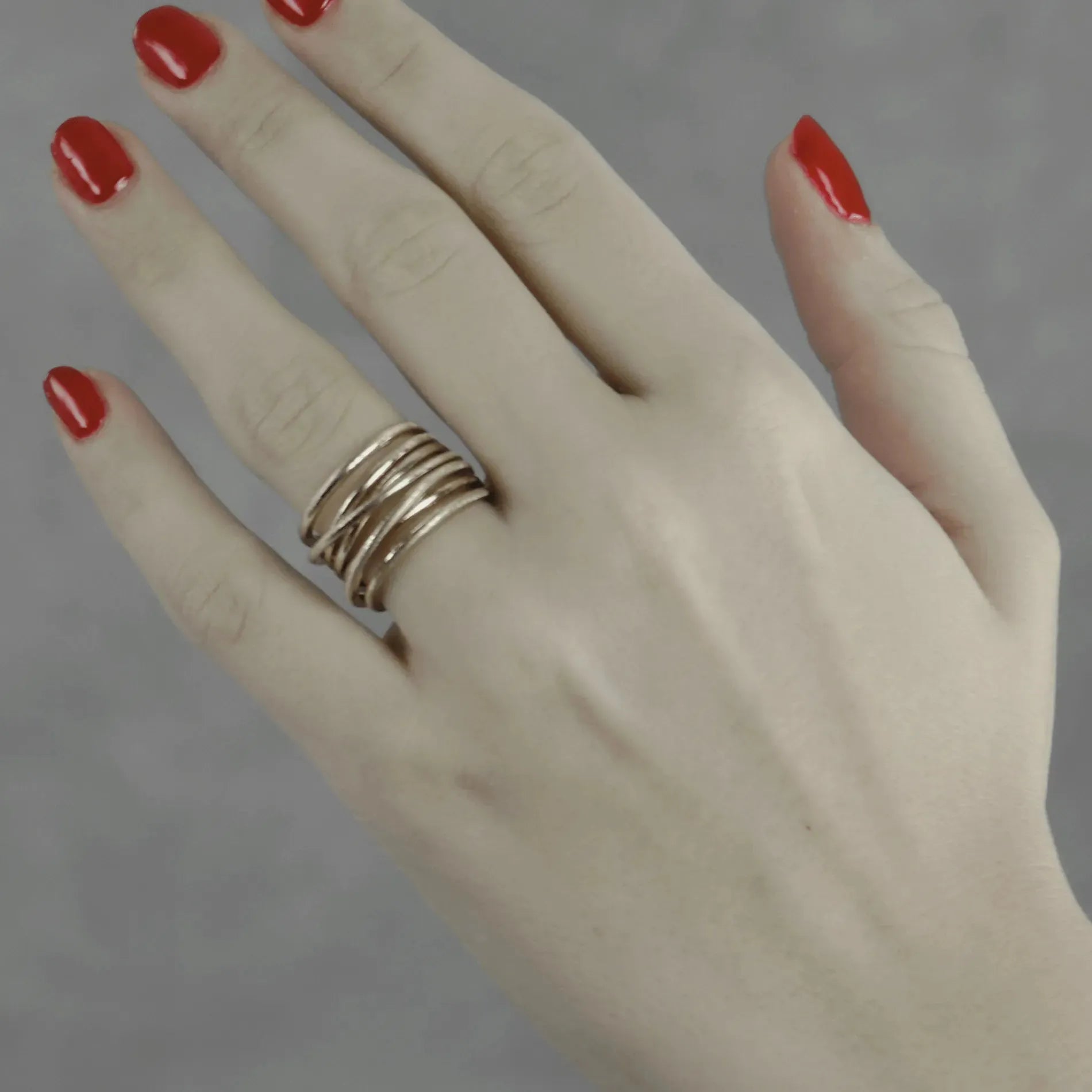
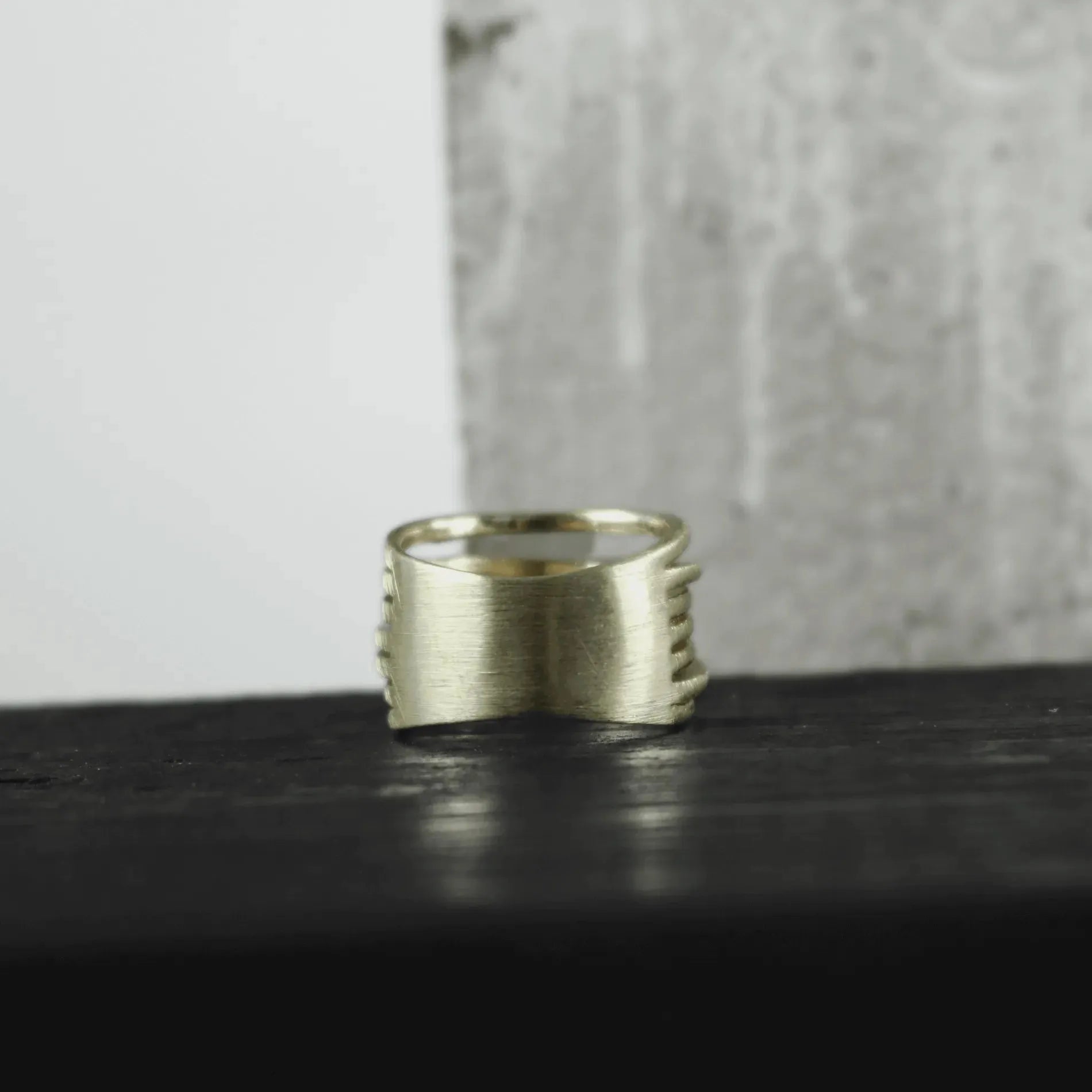
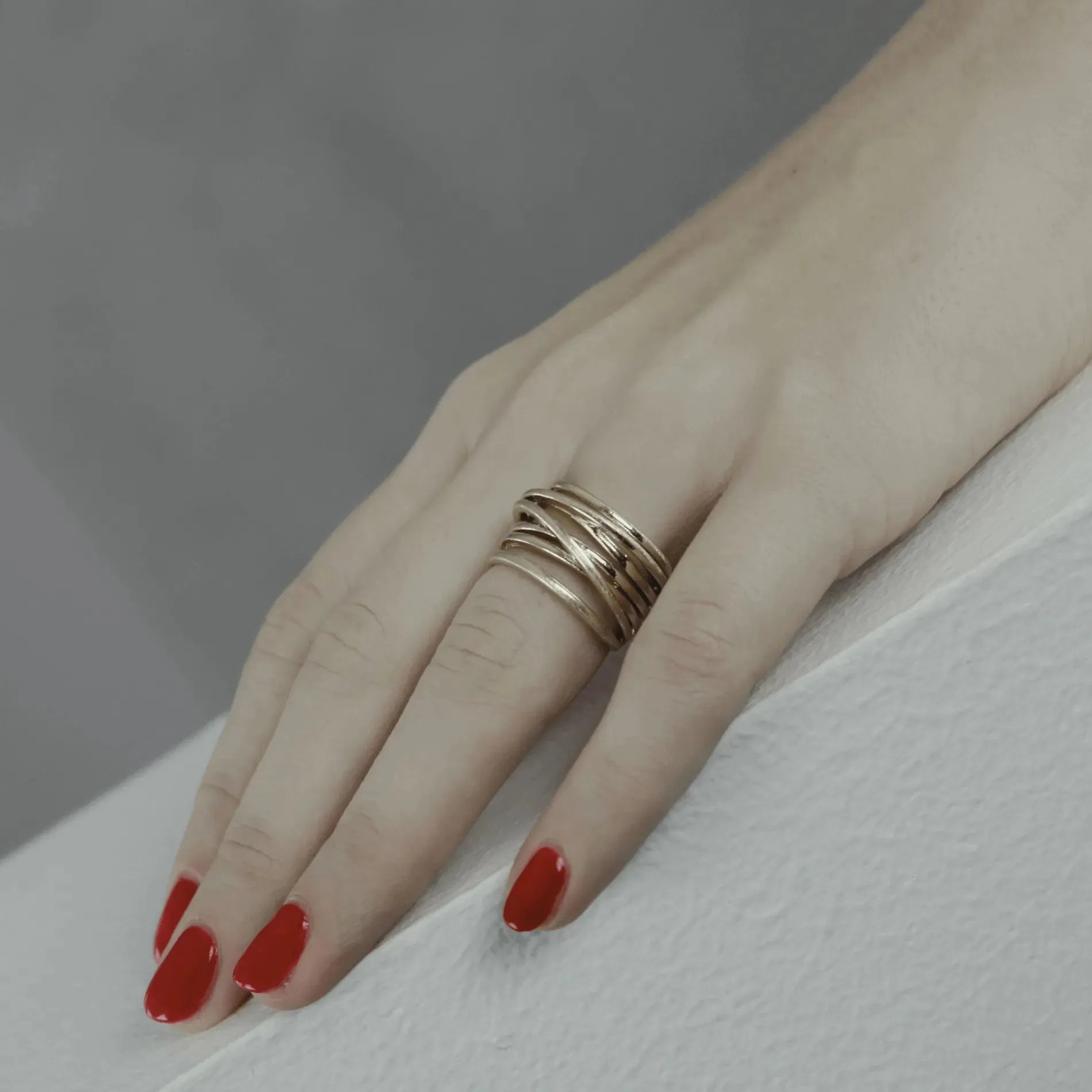



A beautiful pair of earrings should make you feel polished, not leave your skin red, itchy, or irritated by lunchtime. If you’ve ever wondered what jewellery is hypoallergenic, the short answer is this: it usually means jewelry made with materials that are less likely to trigger a reaction on sensitive skin. But as with most style essentials, the details matter.
Hypoallergenic does not mean reaction-proof for everyone. It means a piece is designed with lower-risk materials, often with little to no nickel, which is one of the most common causes of jewelry sensitivity. For anyone who loves layering necklaces, stacking rings, or wearing the same earrings on repeat, understanding materials is the difference between jewelry that looks good in the box and jewelry that truly works in real life.
What jewellery is hypoallergenic, exactly?
Hypoallergenic jewelry is made from metals and finishes that are generally considered gentler on skin. The most common examples include surgical steel, stainless steel, titanium, platinum, and higher-karat gold. In fashion jewelry, surgical steel is especially popular because it offers a clean, modern look with better everyday wearability for sensitive skin.
This is where wording can get confusing. A hypoallergenic label is not the same as saying a piece is pure metal all the way through, and it is not a guarantee that every person will react the same way. Skin chemistry, sweat, friction, humidity, and how long you wear a piece can all affect the experience. That is why two necklaces that look nearly identical can feel completely different on your skin.
For most shoppers, hypoallergenic jewelry is about reducing risk without giving up style. You still get the layered look, the statement moment, or the subtle everyday shine, but with a better chance of comfortable wear.
The metals most people with sensitive skin do best with
If your skin tends to be reactive, the safest place to start is with surgical steel. It is one of the most trusted materials in modern jewelry because it is durable, sleek, and generally well tolerated. It also works beautifully for earrings, which matter most because pierced ears are often the first place sensitivity shows up.
Stainless steel is another strong option, though quality can vary depending on the alloy. Titanium is lightweight and often very well suited to highly sensitive skin. Platinum is a premium choice, loved for its purity and longevity, though it sits at a very different price point than fashion jewelry.
Gold can be a little more complicated. Higher-karat gold contains more pure gold, which sounds ideal, but softer metals are often mixed in to make jewelry durable enough for everyday wear. If those alloys include nickel, sensitive skin may still react. That is why gold-plated jewelry is not automatically a problem, but it is not automatically hypoallergenic either. It depends on the base metal underneath and the quality of the plating.
Silver brings similar trade-offs. Sterling silver is often well tolerated, but some silver-tone fashion jewelry may use mixed metals that can irritate skin over time, especially if the finish wears down.
Nickel is often the real issue
When people say they are allergic to jewelry, nickel is usually the culprit. Nickel is commonly used in metal alloys because it adds strength and helps with cost, but it is also one of the most frequent causes of contact dermatitis. That can look like redness, itching, dryness, bumps, or a rash exactly where the jewelry touches your skin.
The challenge is that nickel is not always obvious from the outside. A ring may look luxe and polished, but if the core material contains nickel and the outer finish starts to wear, your skin may notice before you do. This is especially common in pieces that face more friction, like rings, bracelets, and earring posts.
If you have had reactions before, it is worth paying attention not just to the color or style of a piece, but to the actual material description. Terms like surgical steel and nickel-free tend to be much more useful than simply gold-tone or silver-tone.
Is gold-plated jewelry hypoallergenic?
Sometimes, but not always. This is one of the biggest gray areas in fashion jewelry.
Gold plating refers to the outer finish, not necessarily the core material. If the base underneath is surgical steel or another skin-friendly metal, gold-plated jewelry can be a great choice for sensitive skin. You get the warmth and elevated look of gold with a better everyday wearing experience. If the base metal is more reactive, the piece may feel fine at first and then become irritating as the plating gradually thins.
That does not mean you need to avoid gold-plated styles. It simply means the material beneath the surface matters just as much as the finish you see. For shoppers who love versatile styling and want a softer, more feminine look, gold-plated surgical steel often hits the sweet spot between comfort, trend appeal, and accessible luxury.
What jewellery is hypoallergenic for earrings, rings, and necklaces?
Different categories put different demands on your skin. Earrings usually need the most attention because piercing sites are more delicate and direct contact lasts for hours. Surgical steel earrings are often the best starting point if your ears are easily irritated.
Rings can also be tricky because they deal with hand washing, heat, skincare, and constant movement. Even a well-made ring may irritate if moisture gets trapped underneath. If your fingers are sensitive, choose smoother finishes and lower-maintenance metals, and remove rings when applying lotion or washing up.
Necklaces and bracelets are often easier to wear, but not always. If you sweat easily, wear fragrance, or layer pieces tightly against the skin, irritation can still happen. A hypoallergenic base metal matters here too, especially for everyday pieces you never want to think twice about.
How to shop smarter if you have sensitive skin
The most helpful habit is learning to read material descriptions with confidence. Look for clear wording such as surgical steel, stainless steel, titanium, nickel-free, or hypoallergenic. Vague wording is usually less reassuring than specific wording.
It also helps to think about your own routine. If you wear the same hoops every day, sleep in your necklace, or prefer waterproof jewelry you can keep on from morning coffee to evening plans, choose materials built for that kind of wear. Comfort is part of style. A piece you can actually live in will always earn more space in your collection than one you have to remove after an hour.
If you are trying a new material, start with a category that is less risky, such as a necklace or bracelet, before committing to earrings. And if your skin is highly reactive, patch testing with brief wear can save you frustration later.
Care matters more than most people think
Even hypoallergenic jewelry benefits from good care. Dirt, sweat, skincare residue, and perfume can all build up on the surface and make a piece feel less comfortable over time. Clean jewelry gently, store it dry, and avoid exposing it to unnecessary chemicals.
This is especially true for plated pieces. The better you care for the finish, the longer it will look polished and the more consistent the wearing experience will be. If your jewelry gets wet often, whether from workouts, showers, or humid weather, quick drying and occasional cleaning make a real difference.
Your skin itself also plays a role. Freshly moisturized skin can react differently than dry skin, and irritation is often worse when there is friction plus moisture plus a reactive metal. That is why a hypoallergenic material is important, but not the whole story.
Style and sensitivity can absolutely go together
For a long time, people with sensitive skin were pushed toward limited choices or purely practical designs. That is no longer the case. Today, the best hypoallergenic jewelry is not only wearable, it is expressive. You can still choose bold hoops, delicate chains, stackable rings, and pieces that feel personal to your mood and style.
That balance matters. Jewelry should support self-expression, not make you compromise on comfort. Whether your look leans minimal and clean or layered and statement-making, the right materials let you build a collection you actually reach for every day.
At DNSK Copenhagen, that modern approach makes sense because style and wearability belong together. A piece can feel feminine, polished, and trend-aware while still being made for real life and sensitive skin.
If you remember one thing, make it this: hypoallergenic jewelry starts with better materials, but the best choice is the one that fits both your skin and your style habits. When a piece feels as good as it looks, getting dressed becomes that much easier.