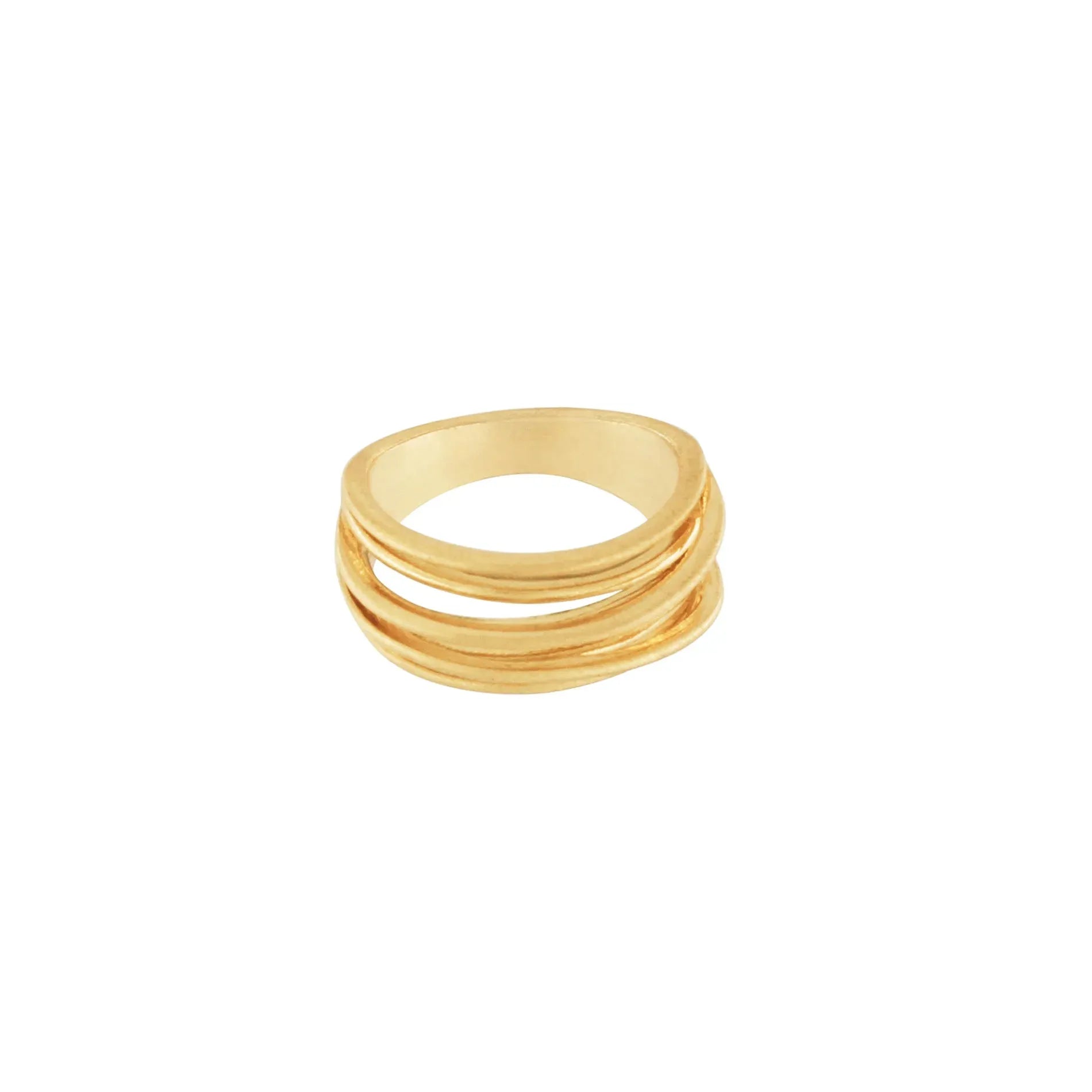
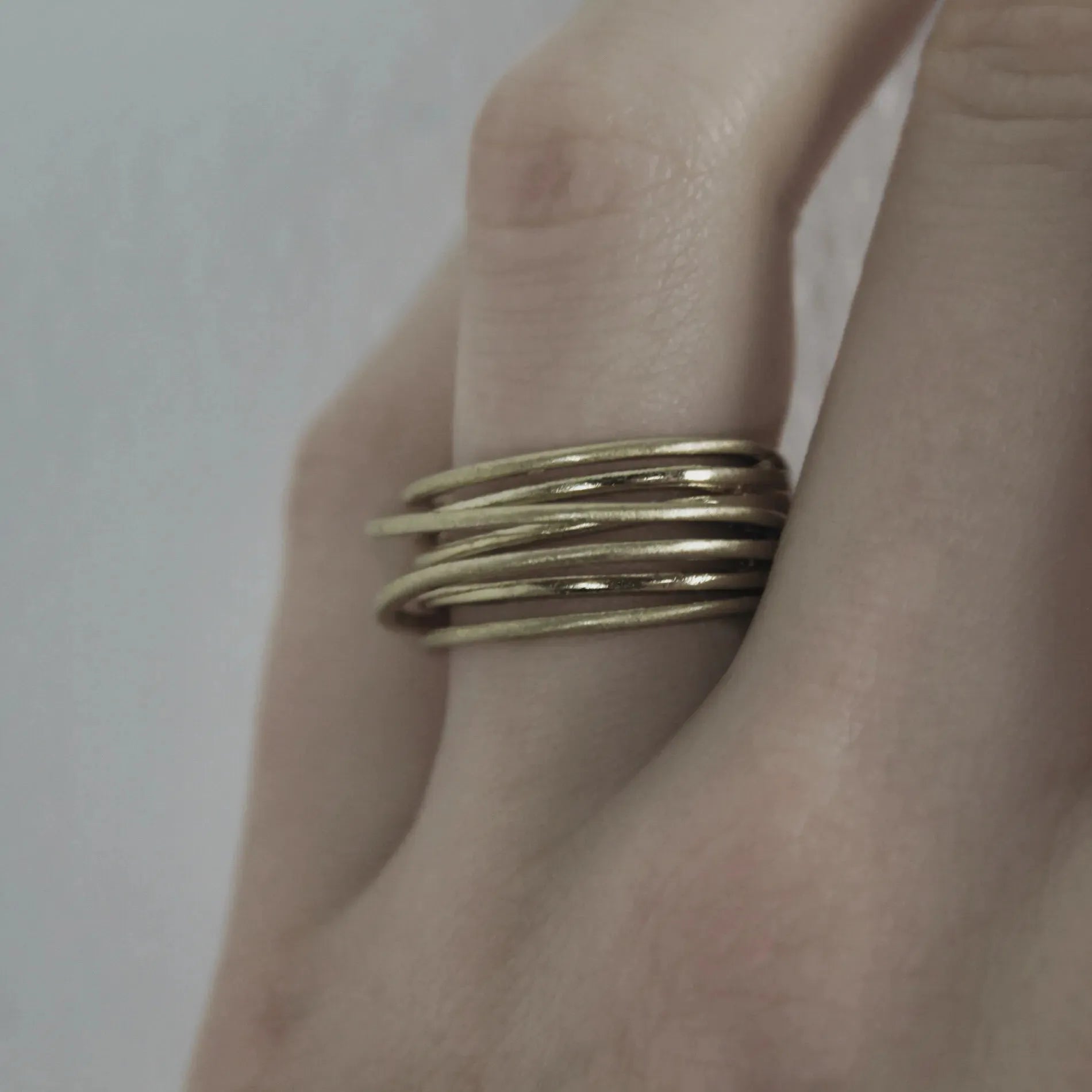
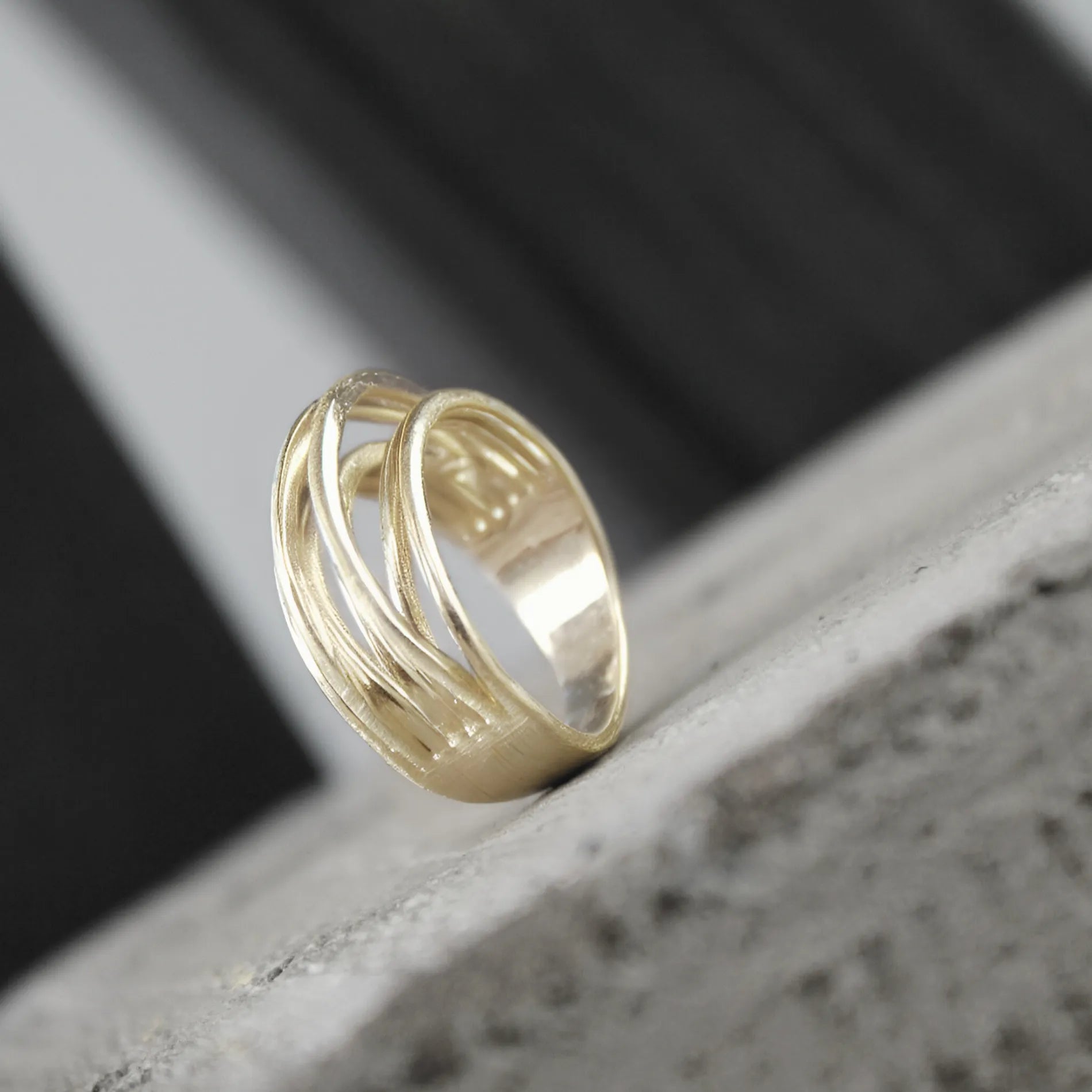
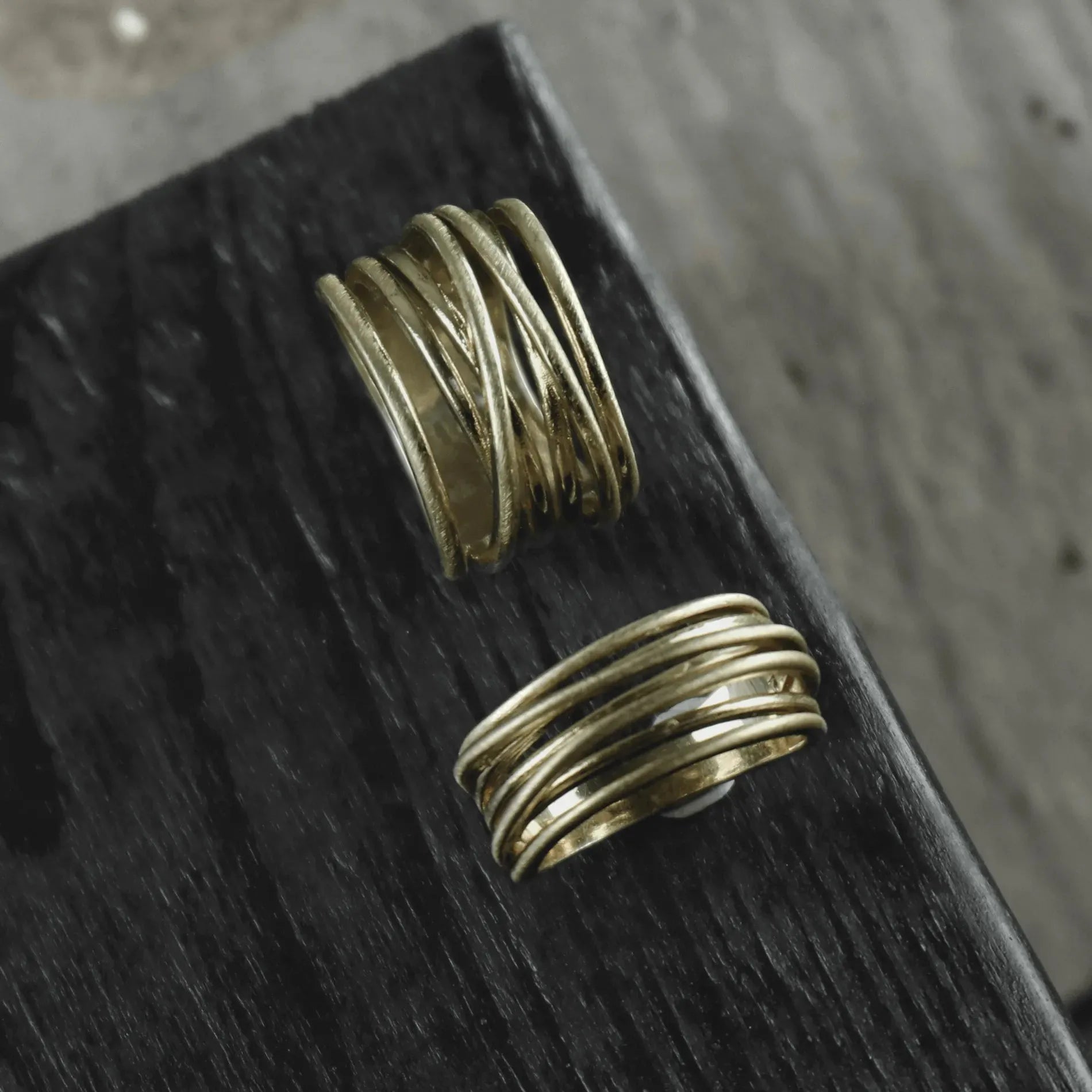


A beautiful pair of hoops should make you feel polished, not leave your ears red by lunchtime. If you have ever taken off a ring or necklace and found itching, burning, or a rash underneath, you have probably asked yourself what jewellery is safe for sensitive skin. The good news is that you do not have to give up on statement pieces, layering, or everyday shine — you just need to be more selective about materials, finishes, and how you wear them. Skin reactions are often triggered by nickel, one of the most common causes of contact irritation in jewellery, which is why metal choice matters more than trend, size, or silhouette.
What jewellery is safe for sensitive skin? Start with the material
If your skin is easily irritated, hypoallergenic and low-reactivity materials are the best place to begin. 316L stainless steel is one of the most reliable options for everyday wear — durable, stable against moisture, and generally better tolerated than mixed metal alloys that contain nickel. It is especially practical for earrings, where the skin is more delicate and reactions tend to show up quickly. At DANSK Copenhagen, all jewellery is crafted from 316L stainless steel, making every piece a naturally hypoallergenic starting point.
Titanium is another strong option — lightweight, corrosion-resistant, and often chosen by people who react to other metals. Solid gold can also be suitable, but purity matters: higher-karat gold contains more pure gold and fewer alloy metals, while lower-karat gold may include nickel or other additives that irritate sensitive skin. Sterling silver can work for some people, but because it is not pure silver it includes other metals for strength, making it less predictable than clearly labelled hypoallergenic styles if your skin is highly reactive.
Standard electroplated jewellery sits in a more mixed category. Many people with sensitive skin wear it comfortably, especially when the plating is high quality and the base metal is skin-friendly. But if the plating wears down over time and exposes a reactive core metal, irritation can begin even if the piece felt fine at first. At DANSK Copenhagen, gold styles use ION plating (PVD), which bonds the colour more durably than standard electroplating — and the silver-toned finish is the natural colour of the 316L steel itself, with nothing to chip or fade.
The metals and finishes most likely to cause irritation
Nickel is the main one to watch — widely used in jewellery alloys because it adds strength and lowers cost, but also one of the biggest reasons for itching, redness, and flare-ups. If a product does not clearly state that it is nickel-free, hypoallergenic, or made from surgical-grade steel, that is worth noticing. Copper and brass can also cause problems for some wearers, especially in rings and bracelets that trap sweat or rub against the skin all day. Mystery metals in very inexpensive fashion jewellery are similarly unpredictable — if the material description is vague, your skin may end up doing the investigation for you. Plated jewellery with a reactive base metal can feel comfortable at first, then cause sensitivity later as the surface layer wears down through friction, handwashing, lotion, and sweat.
Hypoallergenic does not always mean the same thing
The word hypoallergenic is helpful, but not perfect — it usually means a piece is less likely to cause a reaction, not guaranteed to be safe for everyone. Sensitive skin is personal: one person may wear plated earrings every day with no issue, while another can only tolerate surgical-grade steel posts. That is why clear product information matters so much. Look for descriptions that specify the actual material — 316L stainless steel, titanium, or nickel-free construction — rather than relying only on broad claims. The more transparent the material details, the easier it is to shop with confidence.
Earrings are often the first place sensitivity shows up
Pierced skin can be especially vulnerable, and earring posts sit in close contact for hours at a time. For many people, the safest upgrade is choosing earrings with 316L stainless steel posts or other hypoallergenic components — even if the decorative part includes different finishes. Modern sensitive-skin jewellery includes hoops, studs, drop earrings, and sculptural silhouettes that still feel expressive. The key is making sure the part that touches your skin most directly is made from a material your body tolerates well.
Necklaces, rings, and bracelets can react differently
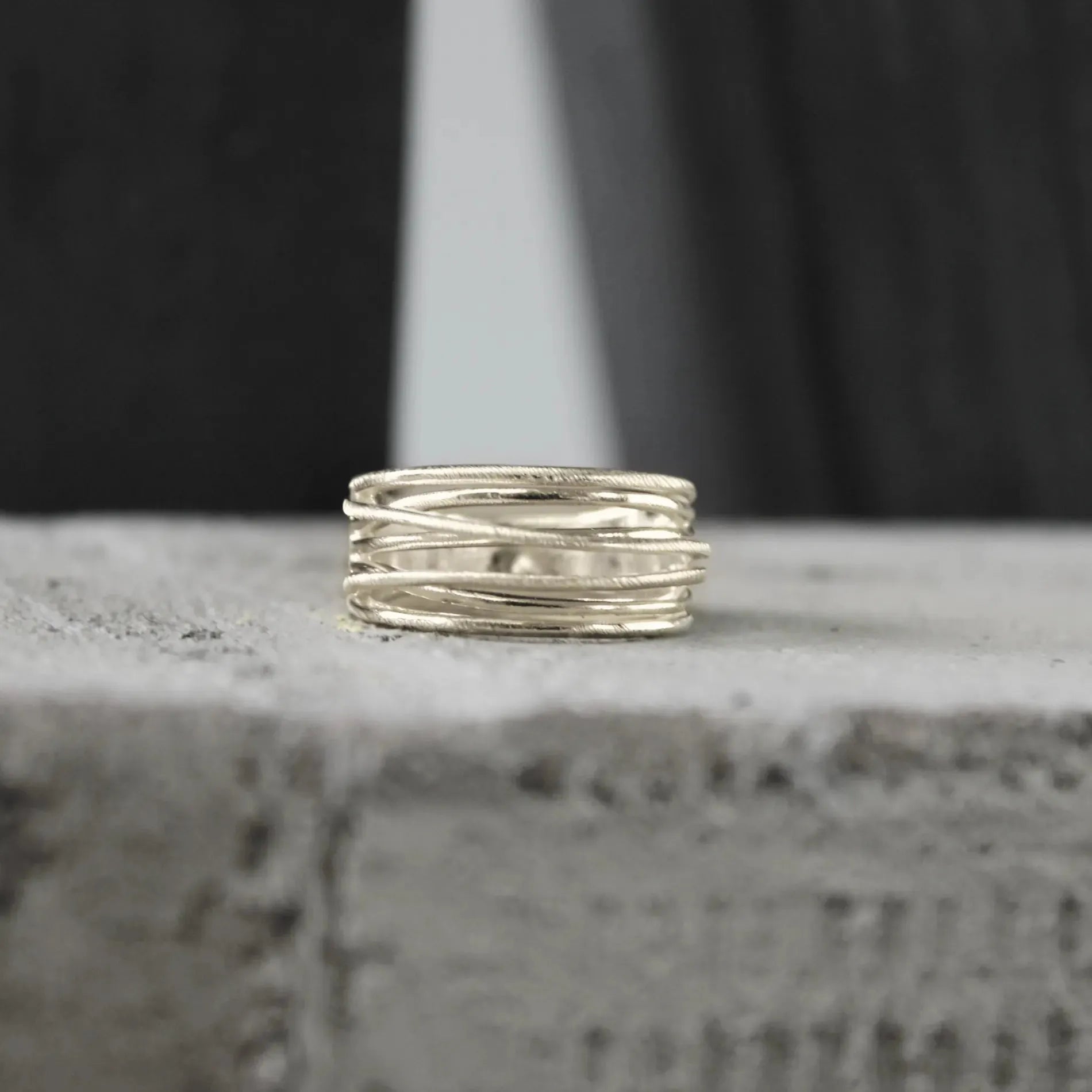
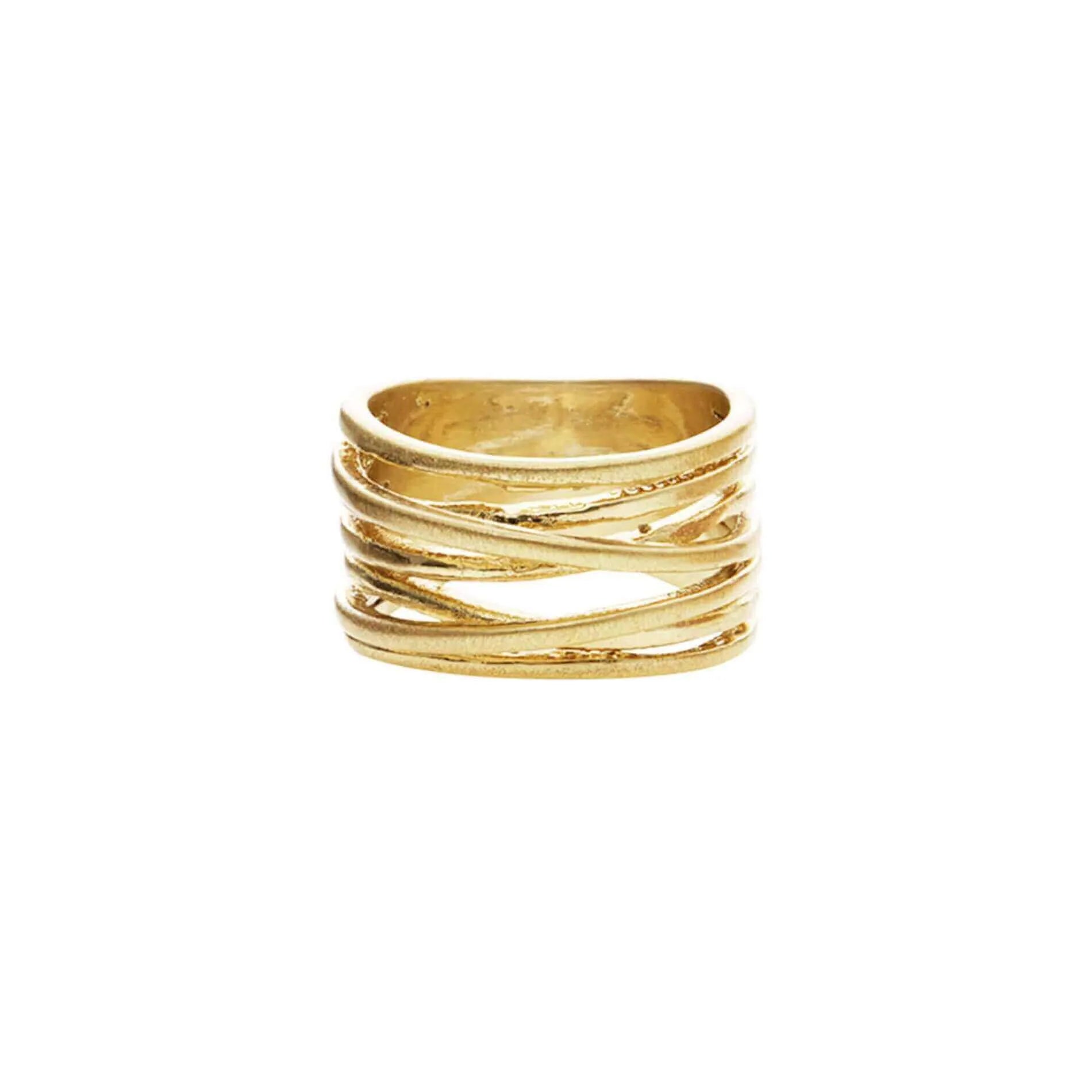
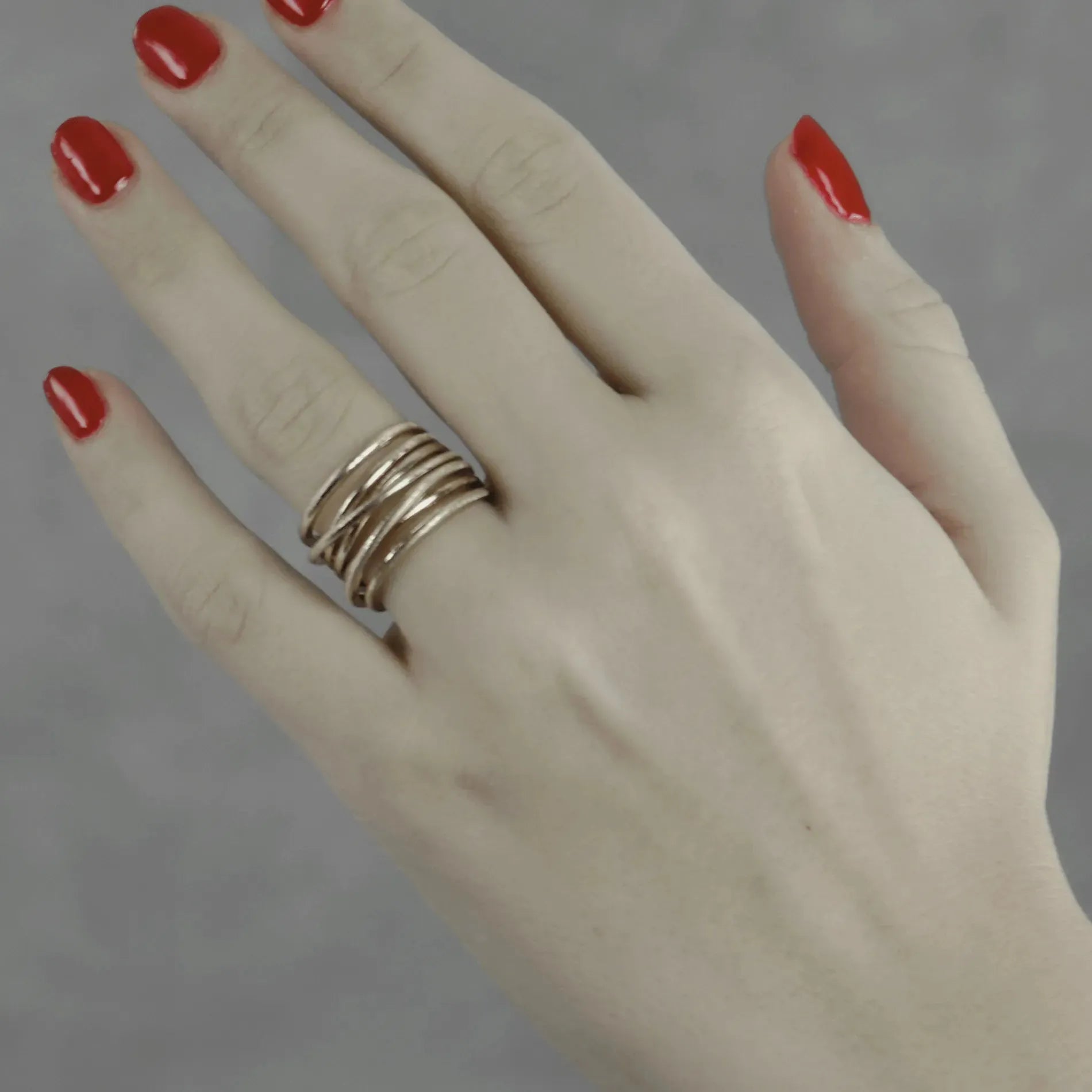
Not all jewellery behaves the same on sensitive skin. Necklaces may trigger irritation if they sit against the chest during heat, workouts, or long days under clothing. Rings can be tricky because handwashing, soap, and trapped moisture wear down standard plating faster and keep skin damp underneath. Bracelets may rub constantly, especially when worn stacked. What jewellery is safe for sensitive skin can therefore depend not only on the metal but also on where you wear it — you may be able to wear a fashion necklace comfortably for a special event, but prefer 316L stainless steel rings for daily use.
Waterproof jewellery can be a smart choice for daily wear
Waterproof styles are worth serious attention if you want pieces you can wear on repeat. They are designed to handle more exposure to water, sweat, and daily life — which often makes them a stronger option for people whose skin reacts when finishes start to break down. Waterproof does not automatically mean hypoallergenic, but it often signals more durable construction. Jewellery should move with your life, not make you second-guess every shower, workout, or rushed morning.
A few habits can make sensitive-skin jewellery work better
Even safe materials can feel less comfortable if coated in lotion, perfume, or sweat. Put jewellery on after skincare and fragrance have dried down. Take off rings before heavy cleaning, swimming, or using harsh products. Store pieces in a dry place so moisture does not sit on the metal, and clean jewellery regularly with a soft cloth — build-up from skin oils and products can irritate just as much as the metal itself. If a piece has started to discolour, chip, or feel rough, that is often a sign it is time to retire it from regular wear.
How to shop without losing your style
Sensitive skin does not mean settling for less expressive jewellery — it simply means shopping with more intention. Start with the pieces you wear most often (earrings, rings, and your everyday chain) and choose skin-friendly materials there first. Then layer on personality through shape, texture, pearls, cubic zirconia, or bold silhouettes. At DANSK Copenhagen, that balance between style and wearability is part of the design brief — pieces can feel modern and full of character while meeting practical needs like hypoallergenic or waterproof wear.
The safest choice is the one your skin agrees with
316L stainless steel, titanium, nickel-free materials, and well-made hypoallergenic or waterproof jewellery are generally the safest bets — but sensitive skin is rarely one-size-fits-all, so personal testing still matters. Jewellery should feel like self-expression, not a compromise. When you know which materials support your skin, it becomes much easier to wear the pieces you love with confidence and a little more courage every day. Explore the full DANSK Copenhagen collection and find what works for you.