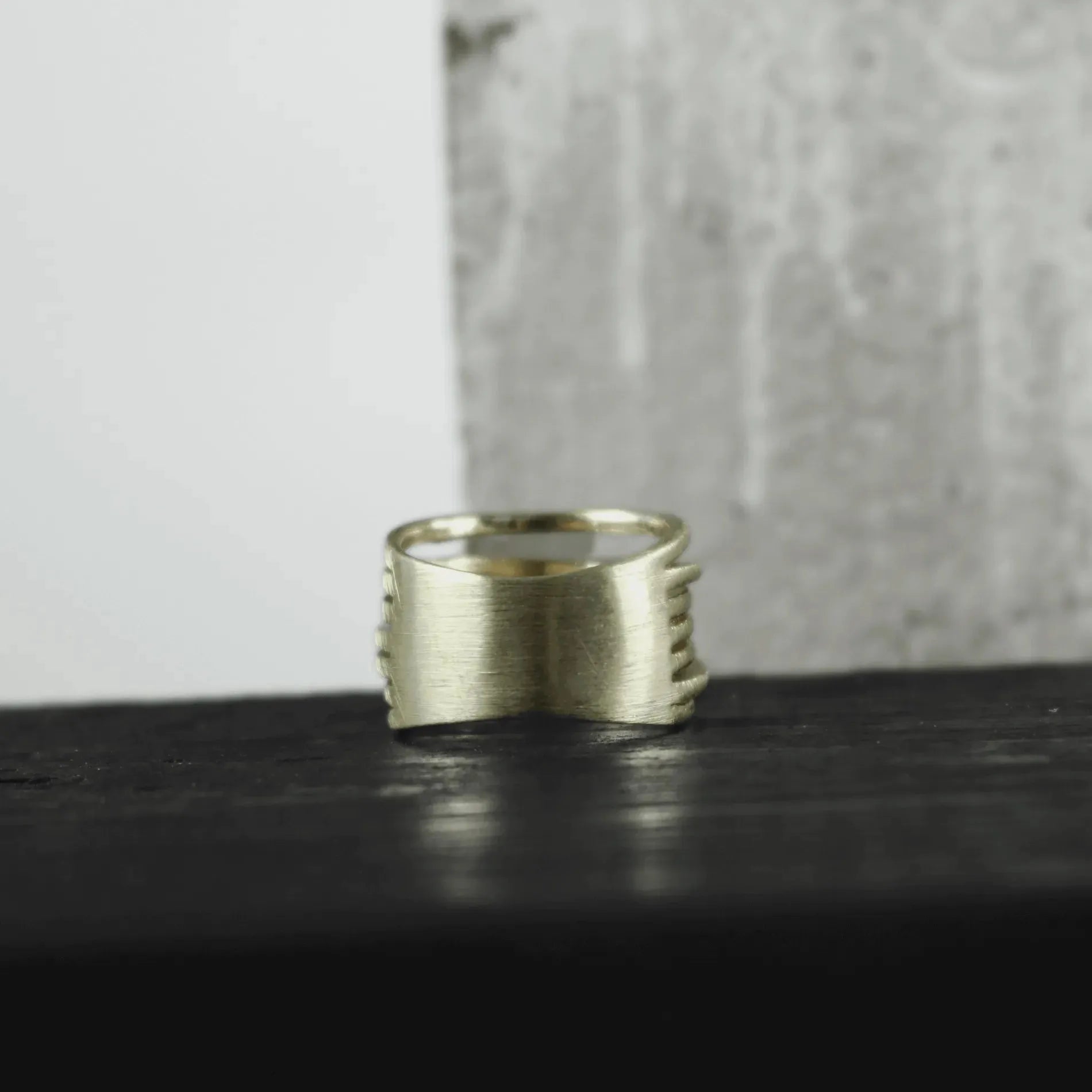
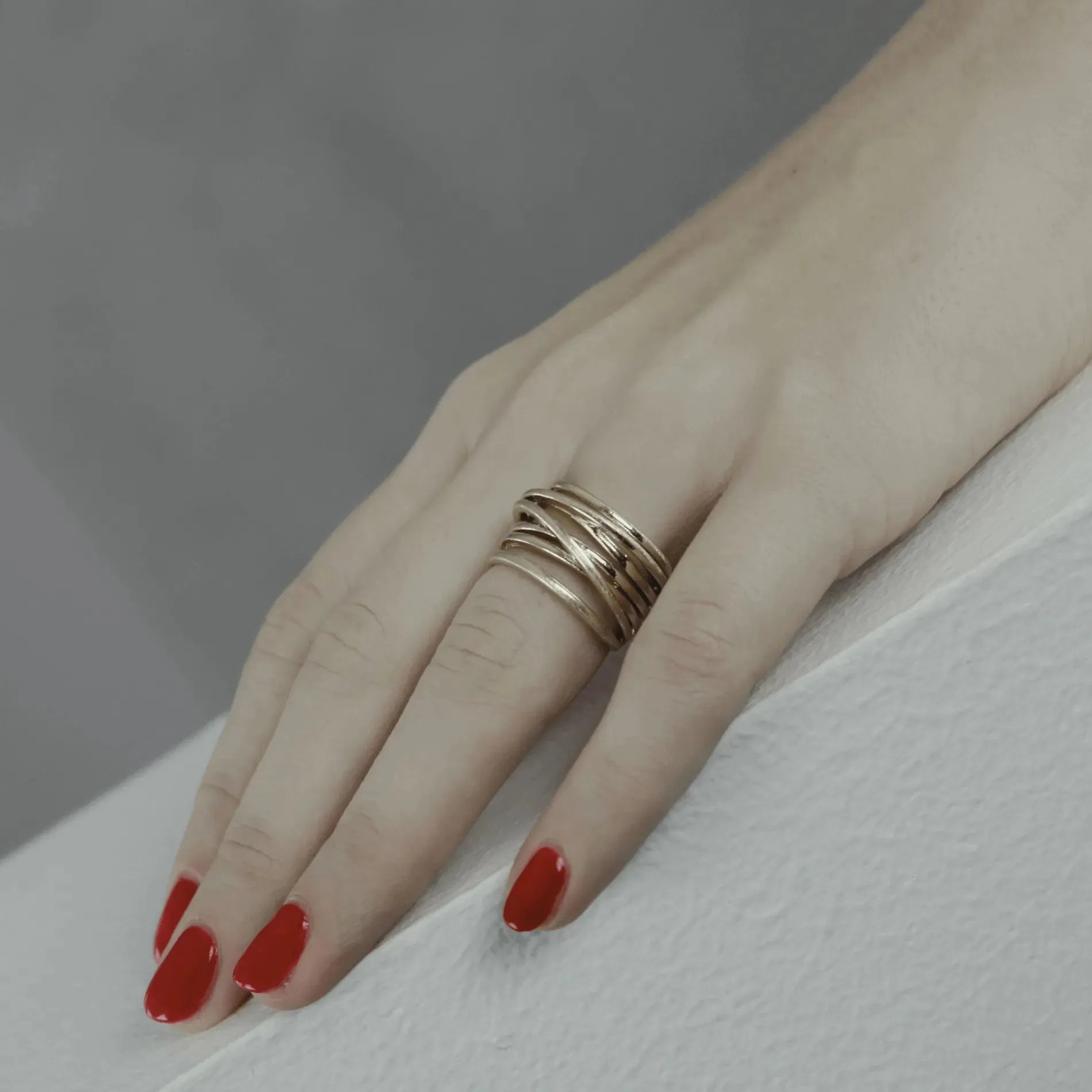


You can love the look of a piece instantly, then pause at the material label and wonder what it actually means for real life. When it comes to surgical steel vs sterling silver, the difference is not just about colour or price — it changes how a piece feels on sensitive skin, how often you need to care for it, and whether it fits your everyday rhythm.
For some, jewellery needs to keep up with workouts, showers, and long days without a second thought. For others, the appeal is all about a classic precious-metal glow and a more elevated finish. Both materials have a place in a modern jewellery wardrobe — the better choice depends on how you wear your pieces, how much maintenance you want, and what matters most to your personal style.
Surgical steel vs sterling silver: what is the difference?
Surgical steel — specifically 316L stainless steel — is a metal alloy made primarily from steel, with added chromium and molybdenum for strength and corrosion resistance. In jewellery, it is chosen for its durability, smooth finish, and reputation as a practical option for everyday wear. It has a sleek, modern look that works especially well in minimal, clean-lined styles. At DANSK Copenhagen, all jewellery is crafted from 316L stainless steel — medical-grade and chosen for its skin-friendliness and lasting finish.
Sterling silver is a precious metal alloy made of 92.5% silver and 7.5% other metals, usually copper — which is why you often see it marked as 925 silver. It is loved for its bright, refined shine and timeless appeal. It carries the beauty of real silver with a more accessible price than fine silver. At a glance, both materials can look similar. In day-to-day wear, though, they behave quite differently.
If you want low-maintenance jewellery, surgical steel usually wins
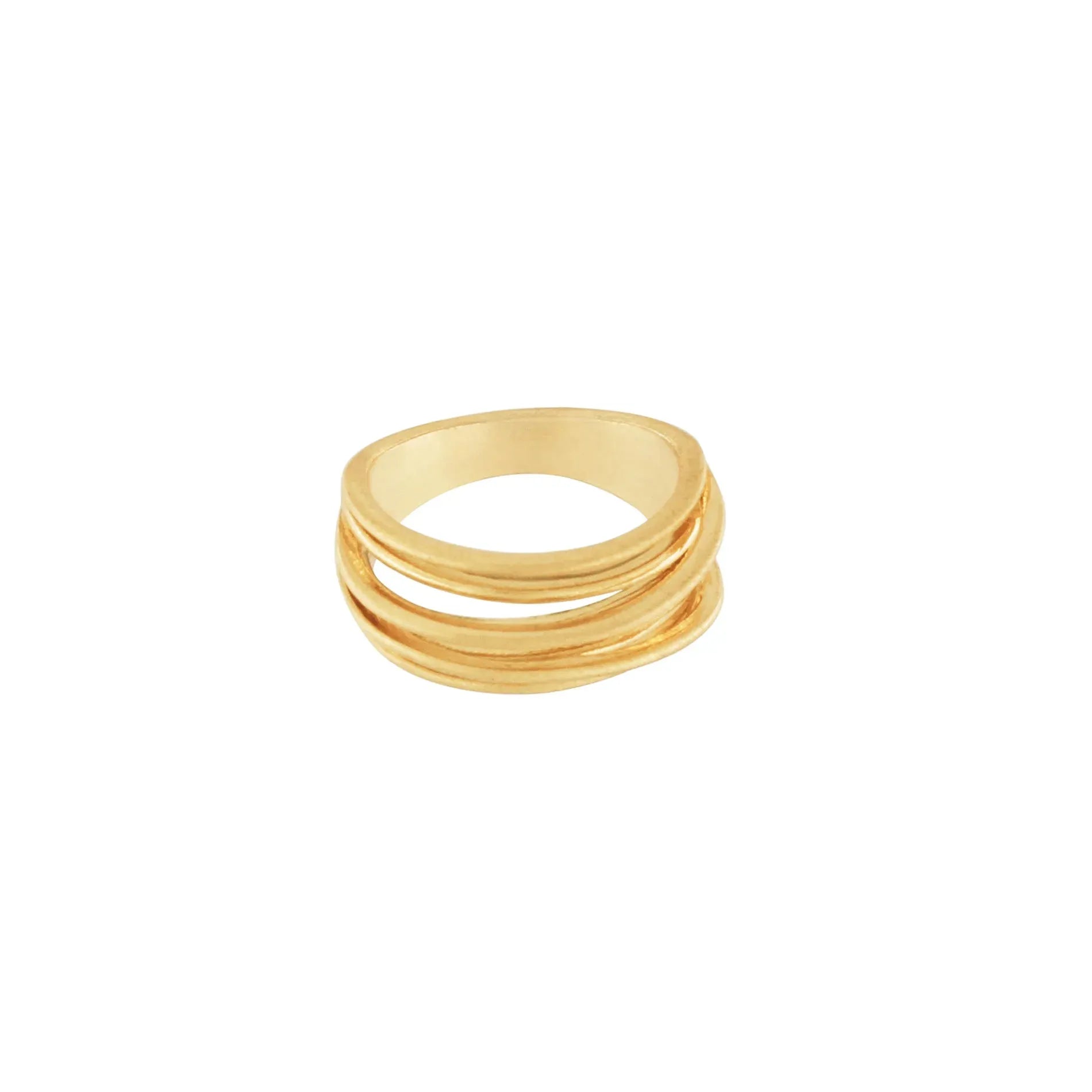
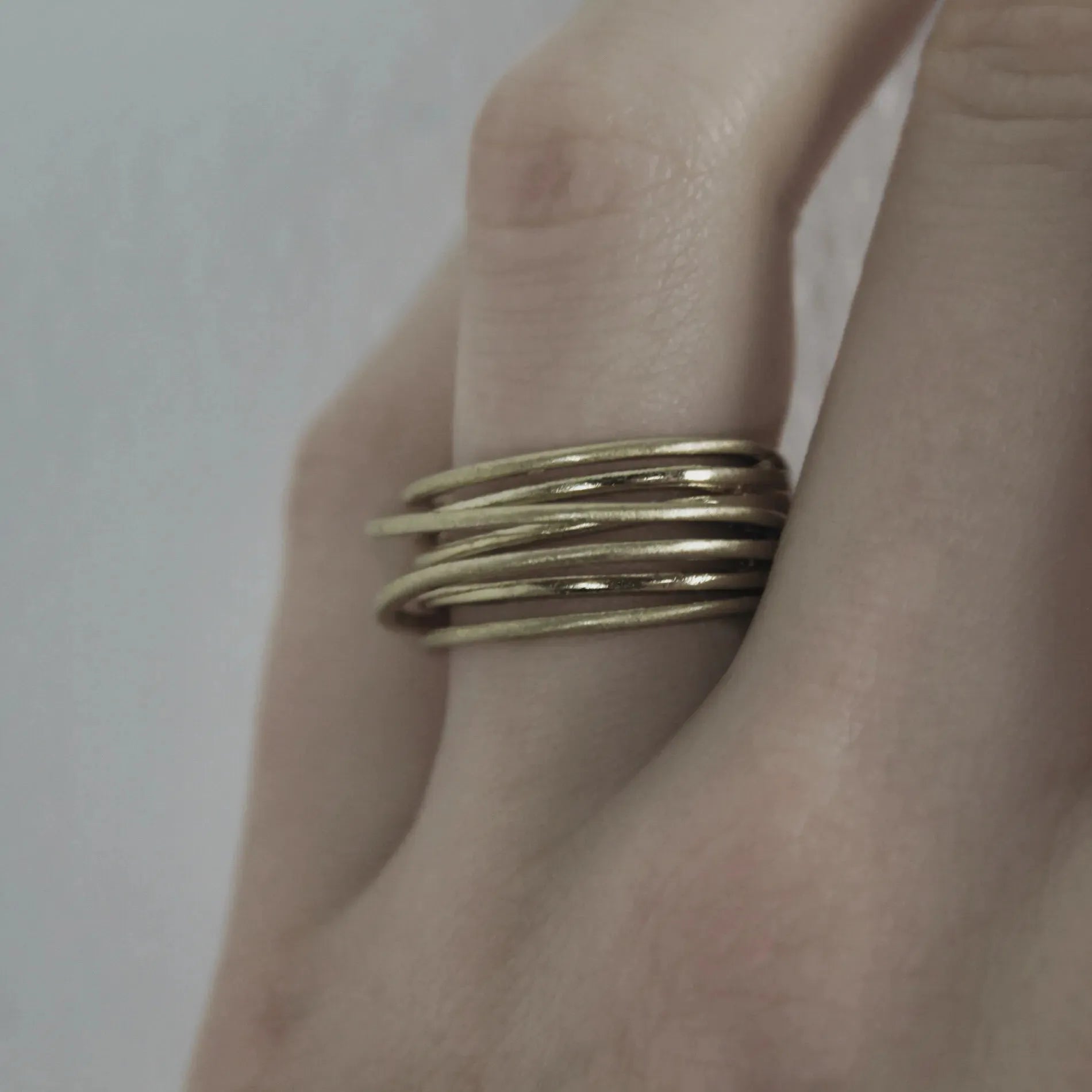
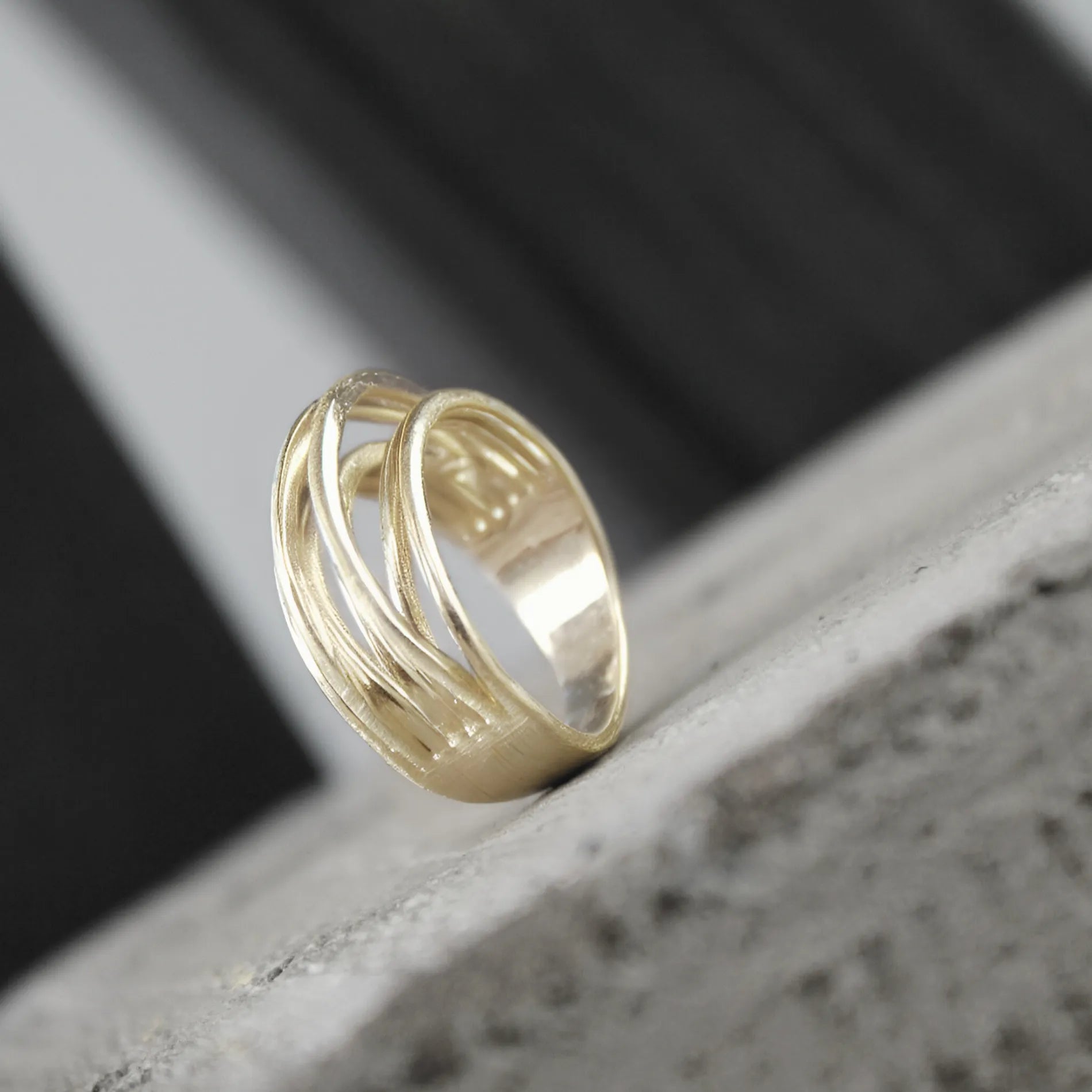
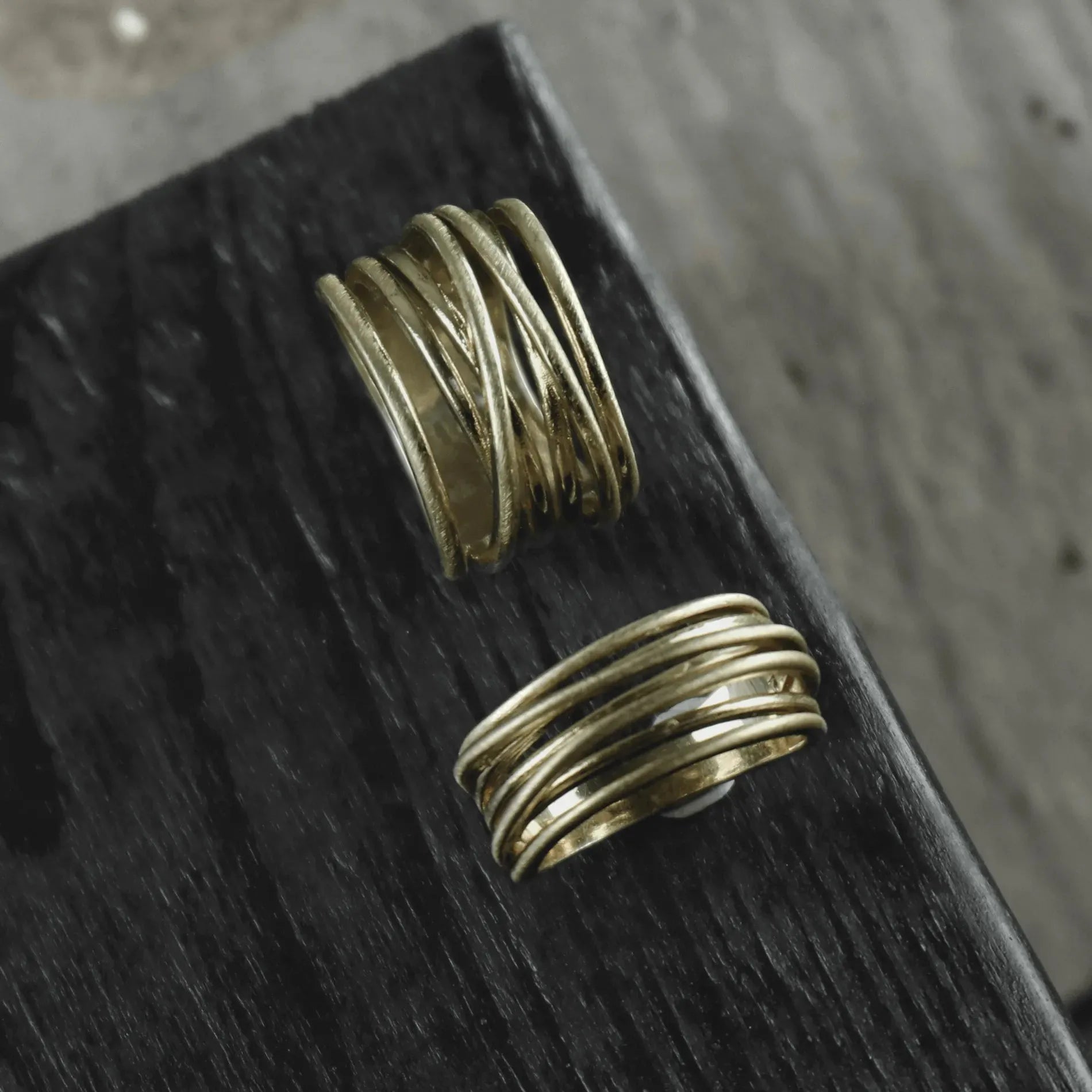
Surgical steel is made for resilience. It resists scratches better than sterling silver, holds up well against moisture, and does not tarnish. If your lifestyle is busy and your jewellery needs to be easy, this matters. That is why surgical steel is often a favourite for everyday staples like hoops, simple chains, and stackable rings — pieces you put on in the morning and keep on through coffee runs, office hours, dinner plans, and everything in between.
Sterling silver is softer, which gives it part of its appeal but also makes it more vulnerable. It can scratch more easily, and it naturally tarnishes over time when exposed to air, moisture, lotions, and perfume. Tarnish is not damage — silver can be cleaned and restored — but it does ask more from you. If you love jewellery that feels effortless and wearable on repeat, surgical steel often fits that mood better. If you enjoy caring for your jewellery and appreciate a more classic fine-metal feel, sterling silver can still be the right choice.
What this means for everyday wear
For everyday use, surgical steel tends to be the more practical option — it is particularly well suited to waterproof and active lifestyles because it stands up better to daily exposure. That makes it especially appealing if you want jewellery that supports your routine instead of interrupting it. Sterling silver can absolutely be worn every day too, but it benefits from more thoughtful handling: taking it off before showering, swimming, or applying products helps preserve its finish. For some people, that ritual is worth it. For others, it becomes one more thing to remember.
Surgical steel vs sterling silver for sensitive skin
This is where the conversation gets more personal. Surgical steel is widely considered a good option for sensitive skin — in fashion jewellery, it is often grouped with hypoallergenic materials, which makes it particularly appealing for earrings and pieces worn for long stretches. That said, sensitivity is never one-size-fits-all: some surgical steel alloys can contain nickel, and while the material is generally designed to be skin-friendly, highly reactive wearers may want to check the exact composition. DANSK Copenhagen uses 316L stainless steel, which is nickel-safe and designed for comfortable daily wear.
Sterling silver can also work well for many people, but because it is alloyed with other metals, reactions are possible — especially if the piece is not well made or the wearer is very sensitive. If your skin is easily irritated, focus on specific product details rather than category names. Material labels matter, but quality and finish matter too.
Sterling silver has a softer, more classic feel
Practicality is not the whole story. Jewellery is emotional — it is how you finish a look, mark a moment, or wear a little confidence on an ordinary day. Sterling silver has long been loved because it feels elevated in a way that is both understated and unmistakable. Its tone is slightly warmer and more luminous than the cooler, crisp look of surgical steel, making it especially beautiful in refined silhouettes, sentimental gifts, and styles where a precious-metal identity is part of the appeal.
Surgical steel, by contrast, feels clean, modern, and strong. It suits trend-led styling, layered looks, and versatile pieces designed to move with you. For a jewellery wardrobe built around confidence, ease, and self-expression, that strength can be part of the beauty.
Which one is more affordable?
In most cases, surgical steel is more budget-friendly than sterling silver — which can make a real difference if you love layering multiple pieces or buying jewellery for different moods and occasions. Sterling silver typically costs more because silver is a precious metal, and it usually sits at a higher price point than surgical steel. For gifting, that higher-value perception can be a plus — sterling silver often feels more special when marking a milestone.
The better value depends on what you want from the piece. If value means durability and wear-now ease, surgical steel is hard to beat. If value means precious-metal appeal and a more classic jewellery identity, sterling silver may feel worth the extra spend.
How to choose between surgical steel and sterling silver
Think about your lifestyle before your wishlist. If you want pieces you can wear on repeat with minimal upkeep, surgical steel is usually the stronger fit — supporting an everyday, styled-in-seconds approach to jewellery. If you are drawn to heirloom-inspired shine, meaningful gifting, or that unmistakable silver richness, sterling silver has its own kind of magic.
For many wardrobes, it is not really an either-or choice. Surgical steel can be your everyday foundation — your go-to hoops, stackers, and simple chains. Sterling silver can be reserved for elevated moments, special gifts, or favourite pieces that deserve a little extra attention. That mix gives you freedom, which is often what great jewellery style is really about.
A quick note on care
Surgical steel is straightforward — a wipe with a soft dry cloth after wearing is usually all it needs. It does not tarnish and does not demand much. Sterling silver benefits from more careful storage: keep it dry, away from moisture and perfume, and polish it when tarnish appears. A little consistent care goes a long way, and regular wear can even help slow tarnish in some cases.
The best material is the one that fits your life
There is no universal winner, because jewellery is not just about material charts — it is about how a piece lives with you, how it feels when you put it on, and whether it helps you express your style with confidence. If surgical steel gives you the freedom to style boldly without overthinking, that is the right choice. If sterling silver gives you the timeless glow you keep coming back to, trust that too.
The best piece is the one you reach for again and again — not because it looks good in a box, but because it feels like you the moment it is on. Explore the full DANSK Copenhagen collection and find your starting point.