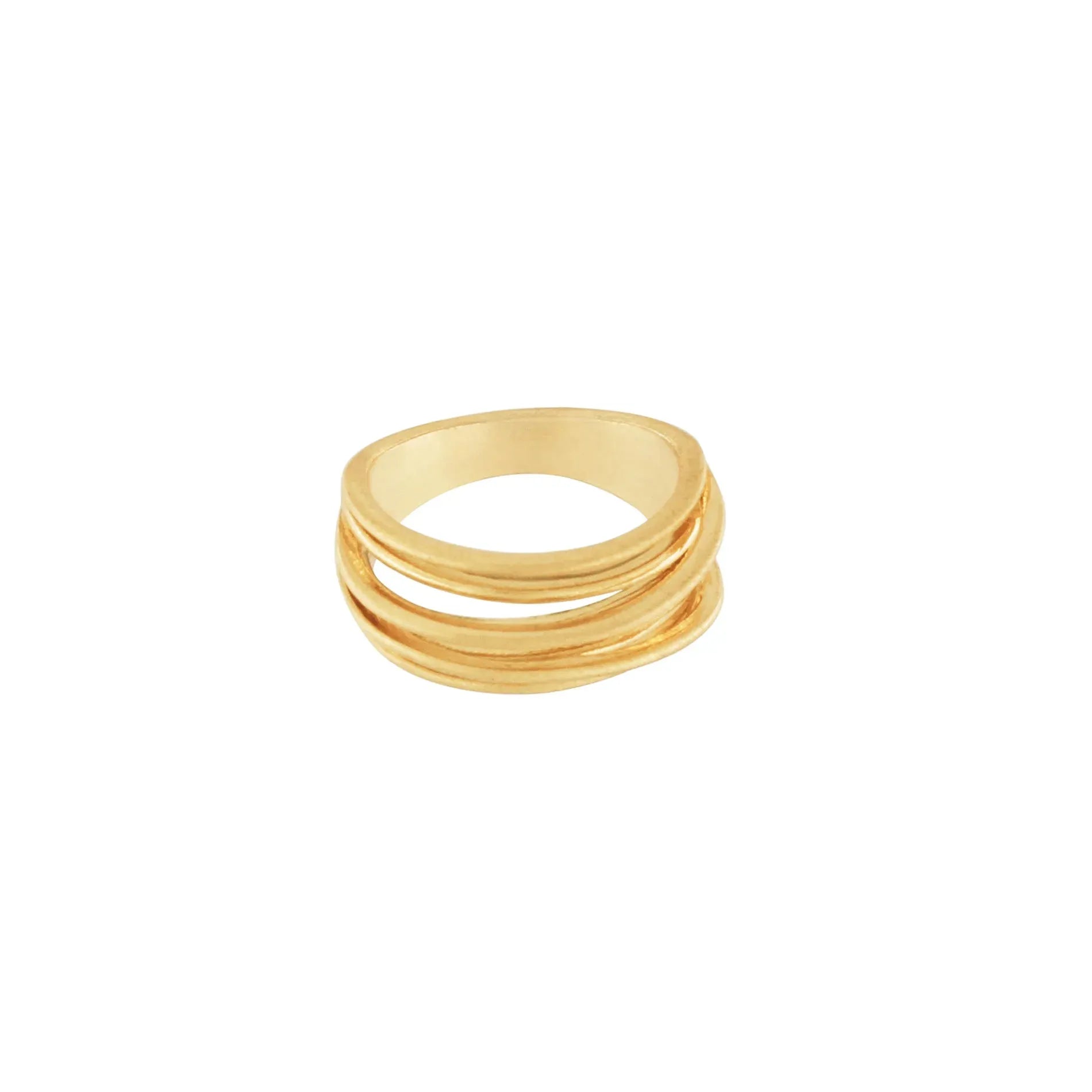
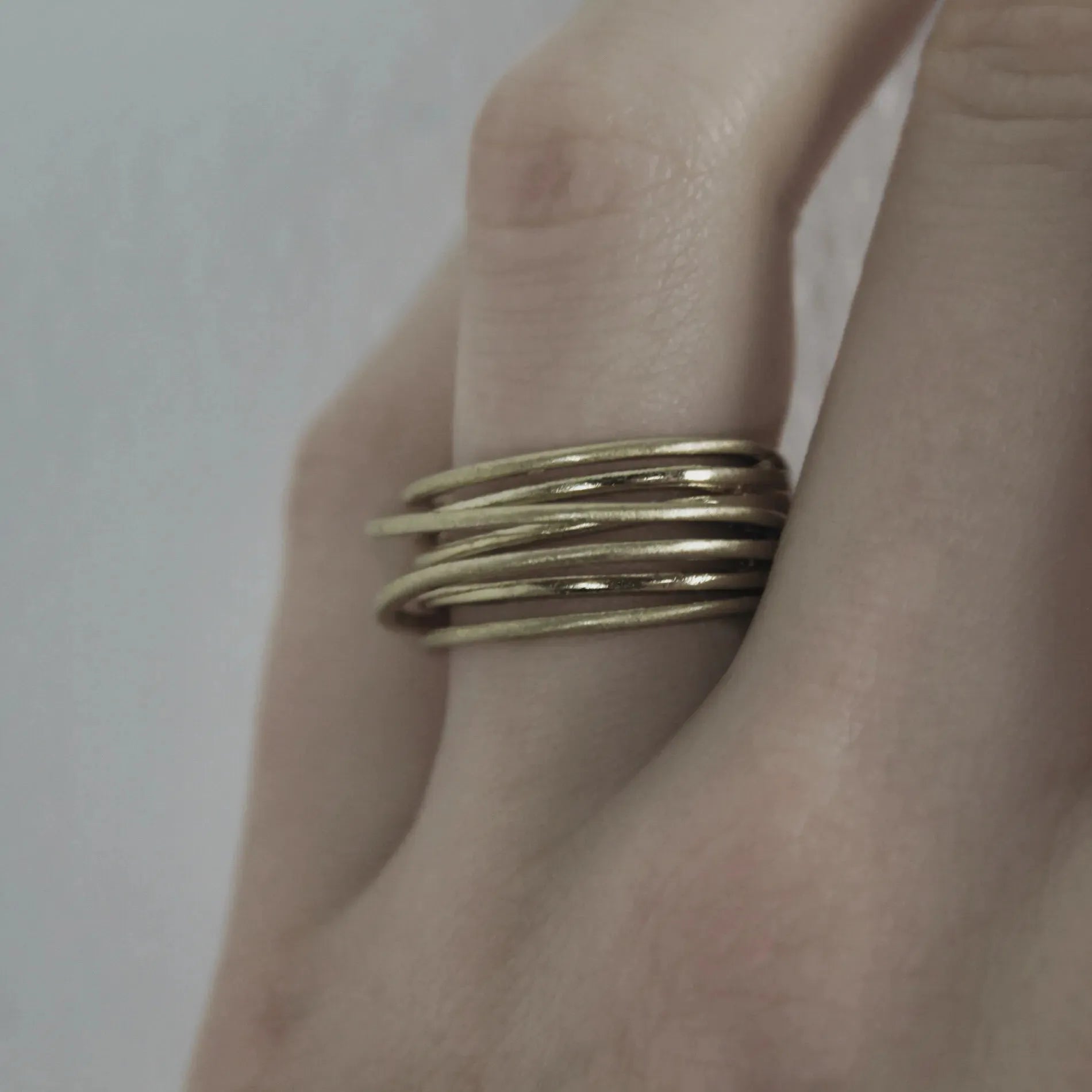
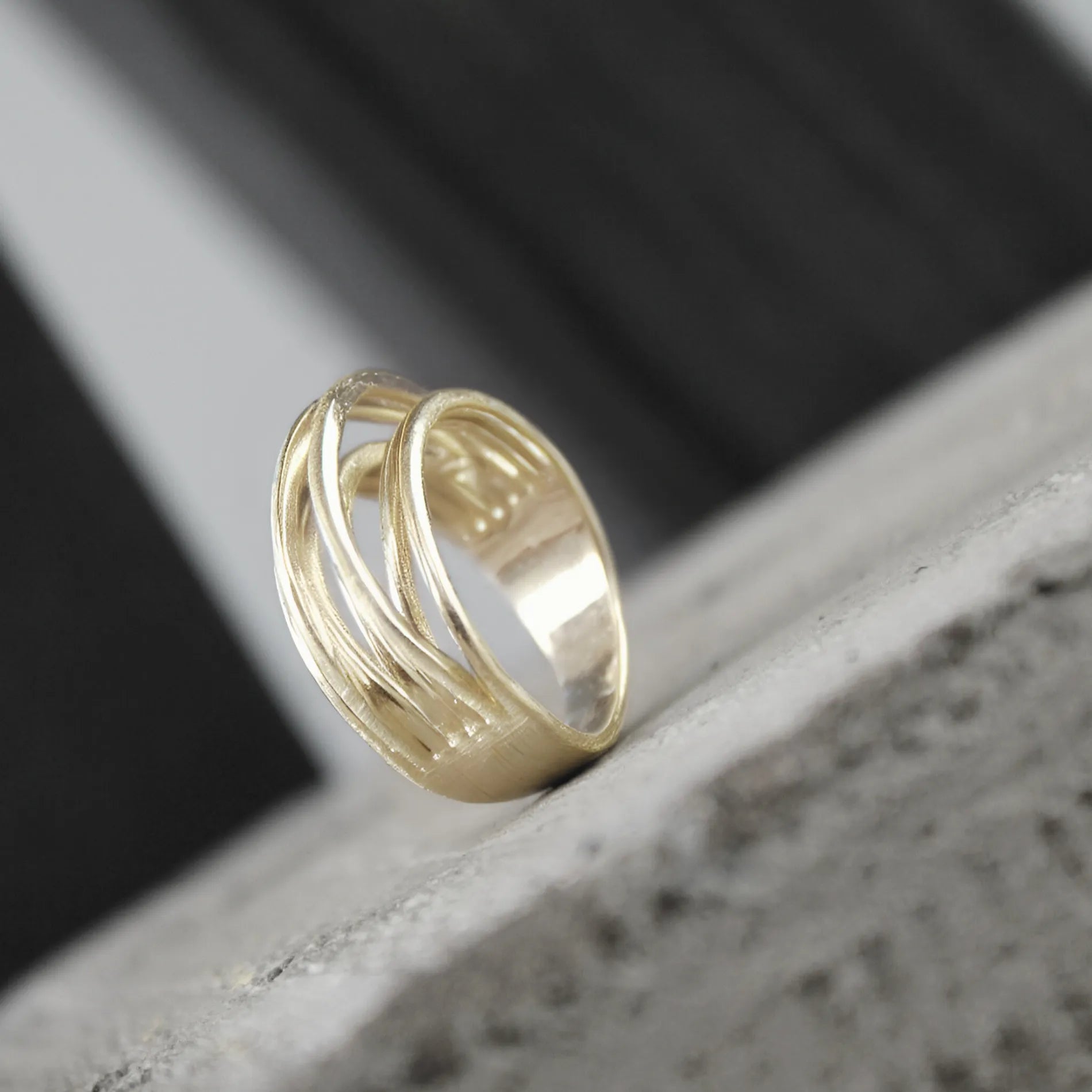
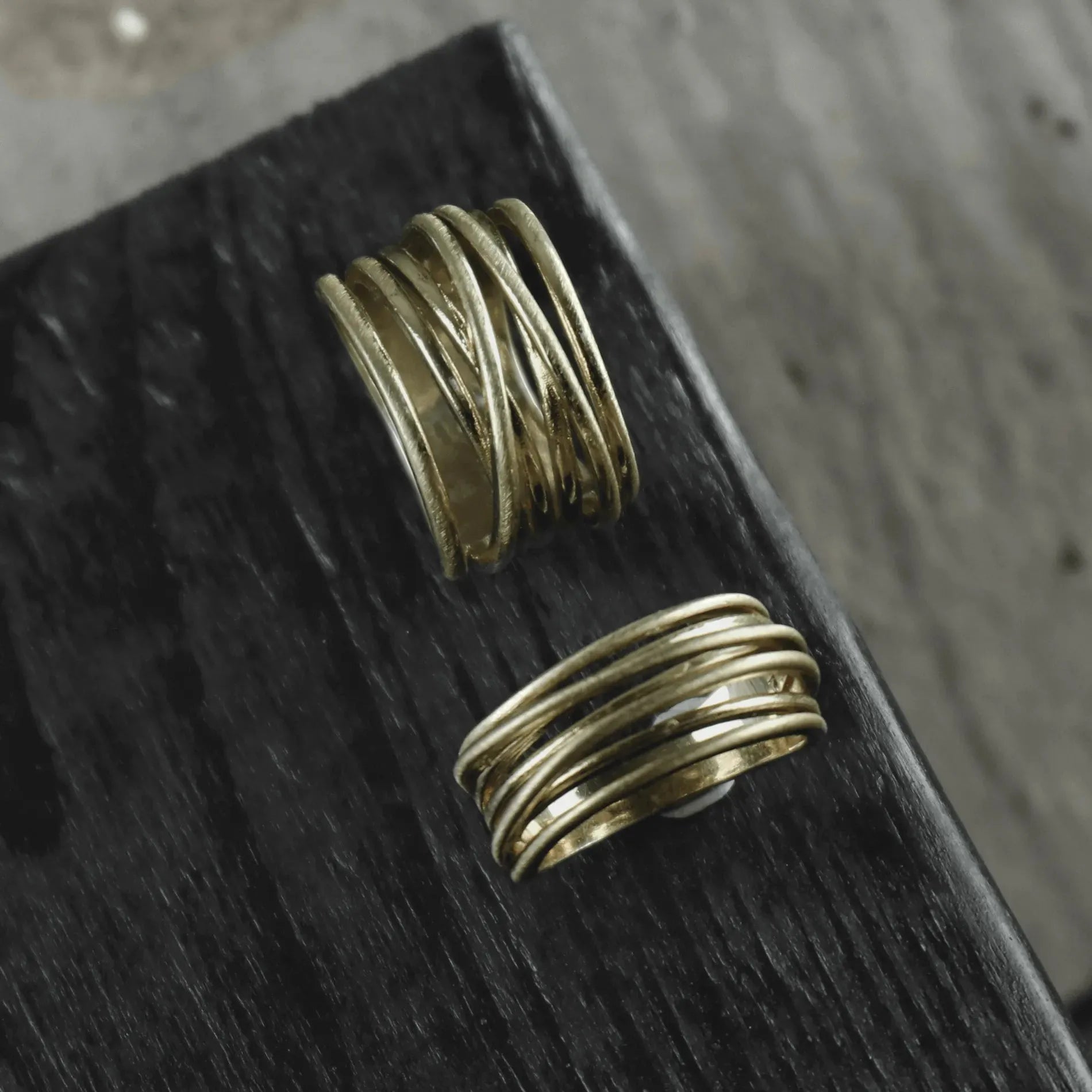
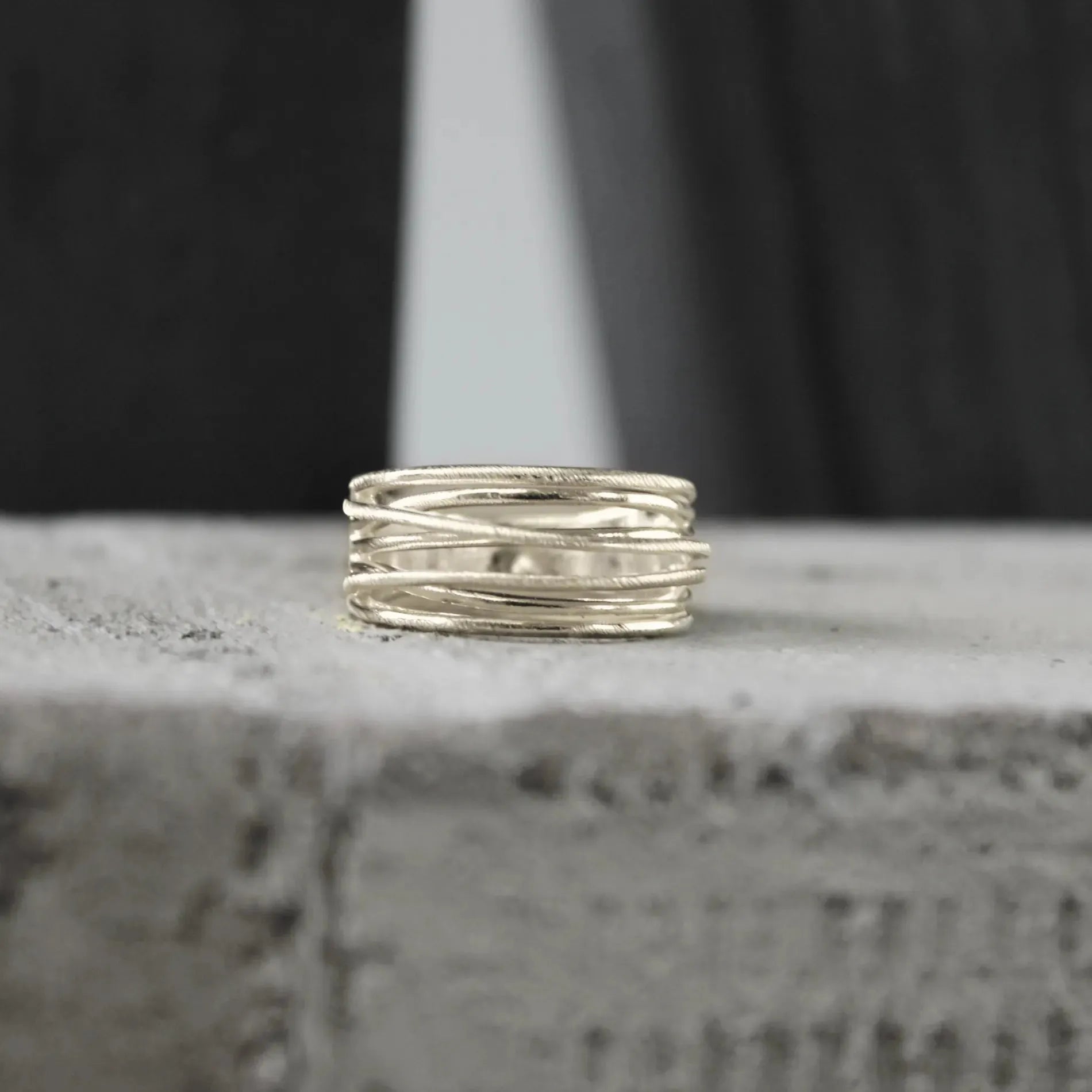
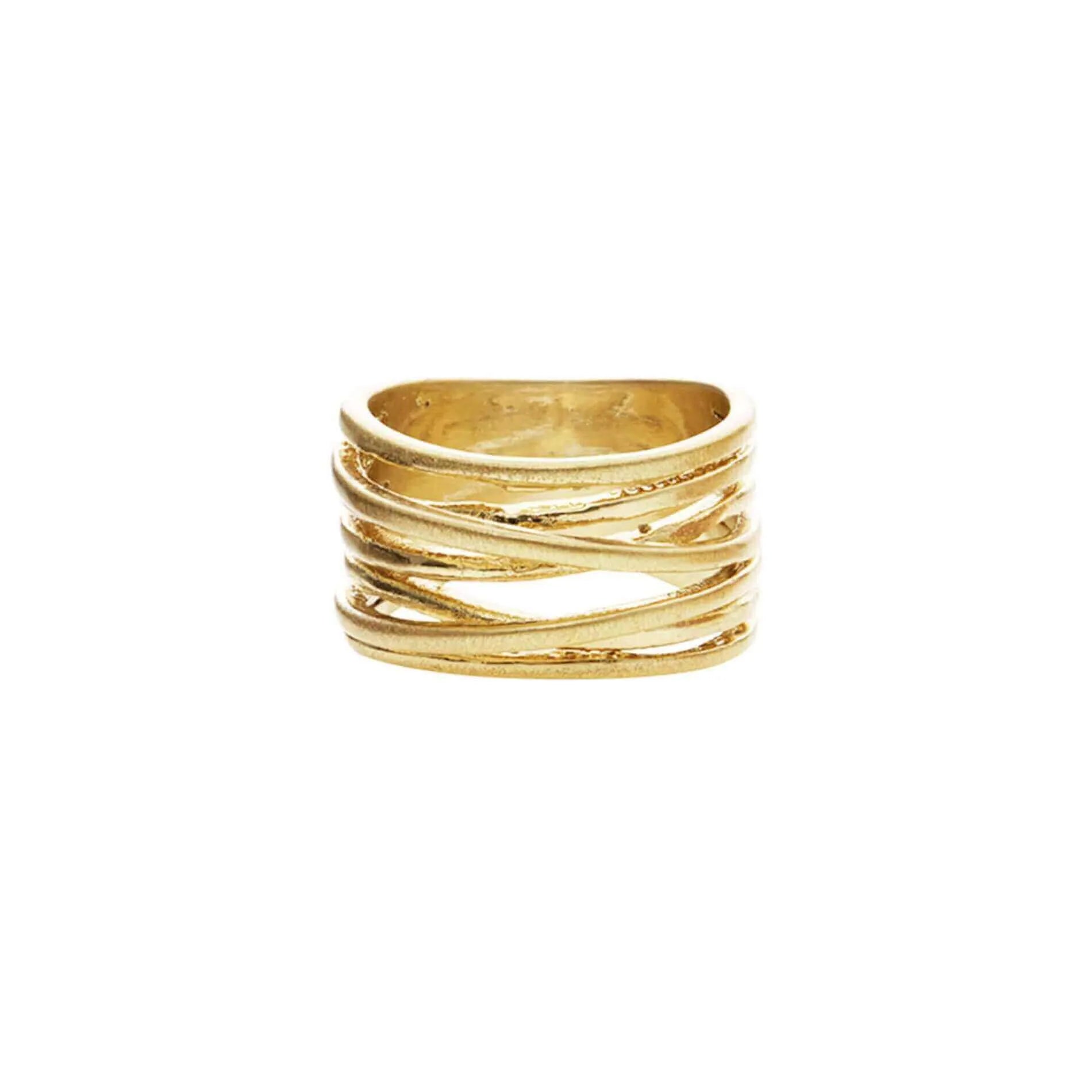
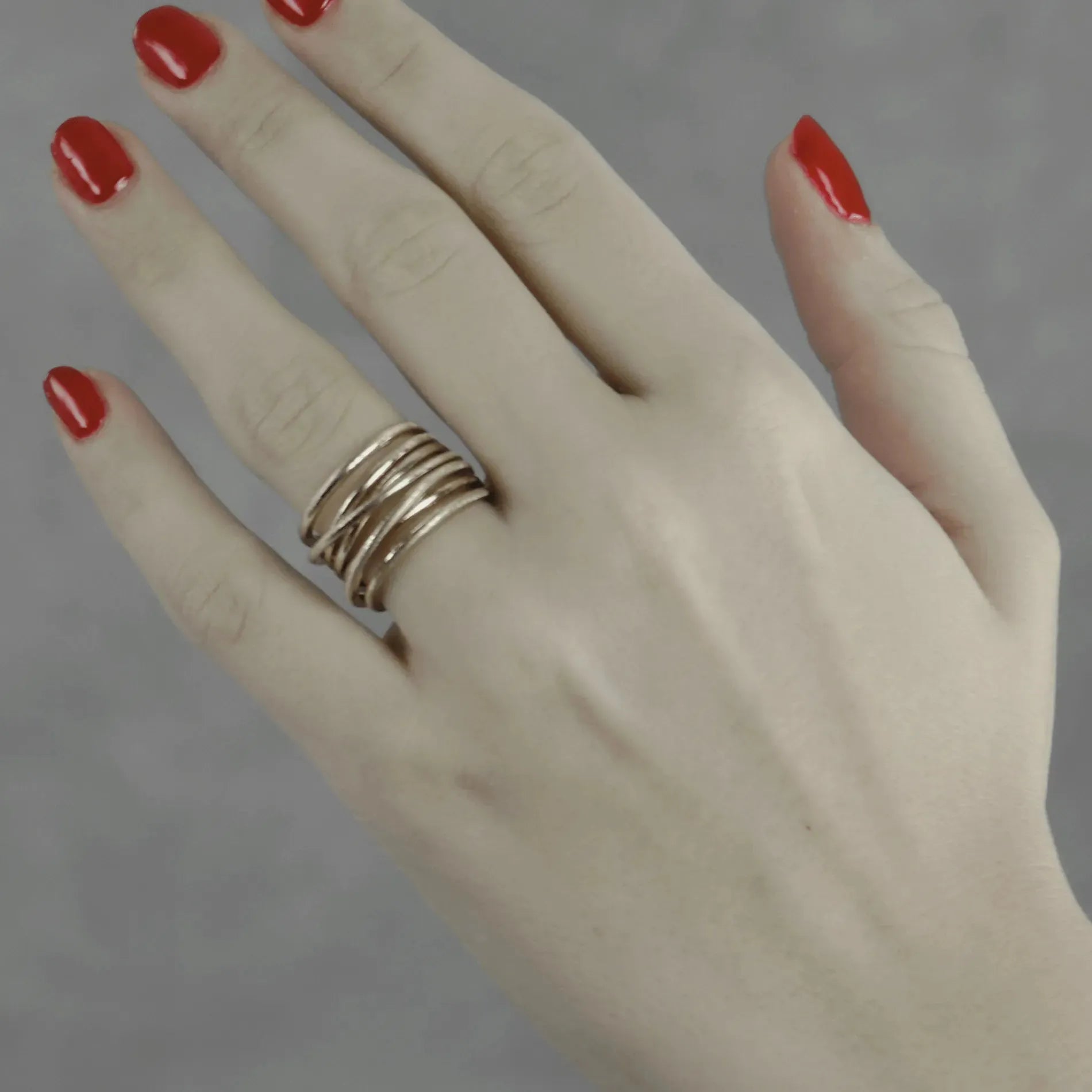
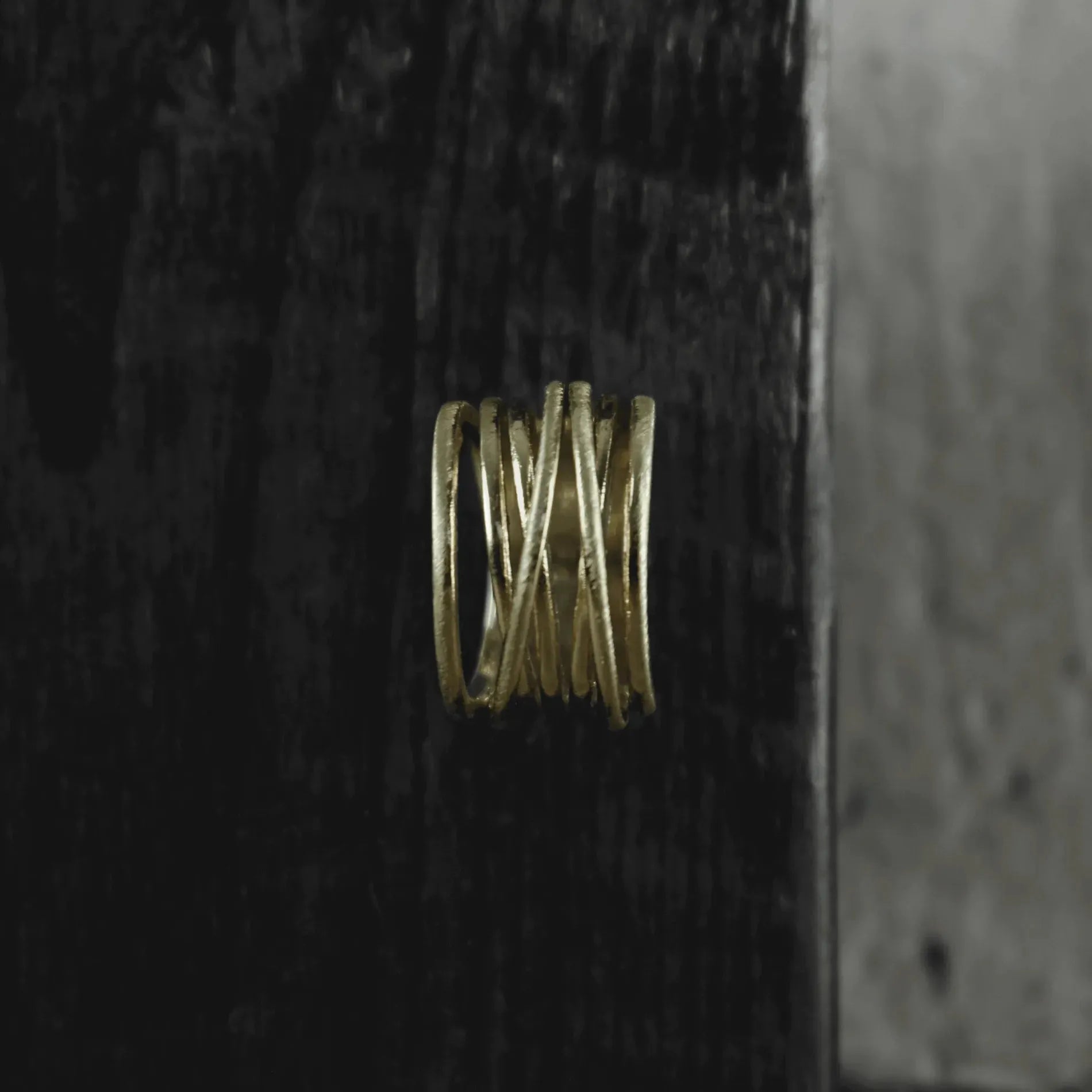


That tiny itch under an earring post can ruin the whole mood. If your skin reacts to certain metals, a good hypoallergenic jewellery buying guide is less about following trends and more about finding pieces that let you wear your style with confidence, comfort, and zero second-guessing.
The good news is that skin-friendly jewellery does not have to look clinical or limited. You can still choose bold hoops, delicate layering chains, sculptural rings, and everyday essentials that feel modern and expressive. The key is knowing what hypoallergenic actually means, which materials tend to be gentler, and where the detail matters.
What hypoallergenic really means
Hypoallergenic does not mean allergy-proof. It means a material is less likely to trigger a reaction for people with sensitive skin — and that difference matters, because everyone's skin behaves differently. A metal one person wears every day without issue can leave another person itchy, red, or uncomfortable within an hour.
For most people, the problem is not jewellery in general — it is specific metals, especially nickel, that tend to cause irritation. Nickel is one of the most common triggers in fashion jewellery, and it often shows up in base metals or mixed alloys. If you have ever taken off a pair of earrings and found redness around the piercing, nickel is a likely culprit. This is why material transparency matters so much. "Hypoallergenic" is a useful label, but it should always make you ask one more question: what is it made from?
The best materials for sensitive skin
If you are shopping for sensitive skin, some materials are usually safer choices than others. 316L stainless steel — also known as surgical steel — is one of the strongest options for everyday wear. It is durable, modern-looking, and widely trusted by people who react to more common alloy mixes. It is especially important for earrings, where direct contact with pierced skin matters most. At DANSK Copenhagen, all jewellery is crafted from 316L stainless steel for exactly this reason.
Titanium is another standout — lightweight, strong, and often recommended for highly sensitive skin, though style variety in fashion-led collections tends to be more limited than with surgical steel.
Solid gold can be a good choice, but it depends on the karat and alloy mix. Higher karat gold contains more pure gold, yet softer metals are often added for strength — and if nickel is part of that blend, sensitivity can still occur. Sterling silver can also work well for many people, but some silver-toned jewellery is silver-plated rather than solid silver, and the base metal underneath affects how the piece wears over time.
Gold ION-plated and silver-toned pieces in fashion jewellery are more nuanced. At DANSK Copenhagen, gold jewellery uses ION plating (Physical Vapor Deposition) over a 316L stainless steel base — a more durable bond than traditional electroplating, with a hypoallergenic foundation underneath. The silver-toned finish is different: it is the natural colour of the 316L steel itself, solid to the core, with nothing to wear away. If the base of a plated piece elsewhere contains reactive metals, the piece may become more irritating as the plating wears down — which is where construction details matter more than appearance.
How to read a product description like a smart shopper
A stylish piece can still be the wrong piece if the materials are vague. Read beyond the headline and focus on the construction. Look first for the base metal — that tells you more than the finish alone. "Gold-plated" sounds reassuring, but gold plating is only the outer layer. What sits underneath is what often decides whether a piece stays comfortable after repeated wear.
Check whether the jewellery is labelled nickel-free or made from surgical steel — those details are often stronger signals for sensitive skin than broad marketing language. If you are buying earrings, pay special attention to the post material: sometimes the main design element and the post are made from different metals. Thickness of plating matters too, especially for pieces you wear often — a better-plated item holds its finish longer, which helps reduce exposure to the base layer underneath.
Earrings are usually the first place to get picky
If your ears are sensitive, start there. Pierced skin is naturally more reactive, so earrings often reveal metal problems faster than rings or necklaces. A pair of statement hoops may look perfect, but if the post is not skin-friendly, they may stay in your jewellery box instead of becoming part of your daily style.
For sensitive ears, surgical steel posts are often the easiest yes. Small hoops, studs, and huggies made with that kind of construction give you the polished, layered look you want without the usual irritation. If you love plated finishes, check whether the visible design is plated while the part that enters the ear remains a hypoallergenic material. Choose comfort first, then build your look from there.
Necklaces, rings, and bracelets can still cause reactions
Earrings get the most attention, but other pieces can be just as irritating if your skin is reactive. Necklaces sit against warm skin for hours, especially in summer. Rings trap moisture after hand washing. Bracelets rub constantly at the wrist, where fragrance, lotion, and sweat can collect.
That does not mean you need to avoid layered styling — it just means matching the material to how you wear the piece. If you want a necklace you never take off, choose a durable, skin-friendly base. If you only wear a bold ring for evenings out, you may have more flexibility. Mix occasion pieces with dependable everyday essentials, and let your most skin-friendly materials do the heavy lifting for daily wear.
Waterproof and hypoallergenic are not the same thing
These two features often appear together, but they mean different things. Waterproof jewellery is designed to better withstand water exposure, which helps with finish longevity and convenience. Hypoallergenic jewellery is about reducing the chance of skin irritation. Sometimes the same materials support both benefits — as with 316L surgical steel. But not always: a piece can be water-resistant and still contain a metal your skin dislikes, or gentle on your skin but less suited to heavy water exposure. If you want low-maintenance jewellery, look for both features rather than assuming one guarantees the other.
Style should still feel personal
Sensitive skin should not force you into a smaller version of your style. A well-built collection can still be expressive, layered, and current. Minimal studs, chunky chains, fluid bangles, and polished rings can all exist within a skin-conscious wardrobe.
Think in terms of your real life. If you dress in soft neutrals and love a clean Scandinavian look, start with sleek staples you can wear every day. If your style is more playful, choose statement silhouettes in trusted materials and use them to add confidence to simple outfits. The goal is not just comfort — it is ease, so your jewellery feels like part of you rather than something you have to manage. At DANSK Copenhagen, that balance matters: jewellery should support self-expression, but it also has to earn a place in your everyday routine.
Smart buying habits that make a difference
If you are trying a new metal, test one piece before buying a full set. Wear it for a full day during a normal routine that includes movement, heat, and skincare — reactions are often less about the first five minutes and more about what happens after several hours. Keep your jewellery clean, especially earrings and rings: buildup from product residue can irritate skin even when the metal itself is fine. Store pieces dry, and if your skin is extremely sensitive, avoid wearing jewellery immediately after applying lotion or perfume.
Be honest about your habits too. If you sleep, shower, and work out in your jewellery, choose materials that can keep up. The more often a piece touches your skin, the more important construction becomes.
When to skip a piece, even if it looks perfect
If a product description is vague — "metal alloy" without further detail, or a focus on finish but not base — you do not have enough information. The same goes for jewellery that looks beautiful but feels rough, overly lightweight, or poorly finished around posts and closures. Great style is never just visual. It is also about how something wears, how it lasts, and whether it feels good on your skin from morning coffee to late dinner plans.
The best hypoallergenic choices are the ones that let you stop thinking about irritation and start thinking about your look. Explore the full DANSK Copenhagen hypoallergenic collection — when your materials match your lifestyle, jewellery becomes what it should be: a small, powerful way to wear your confidence every day.