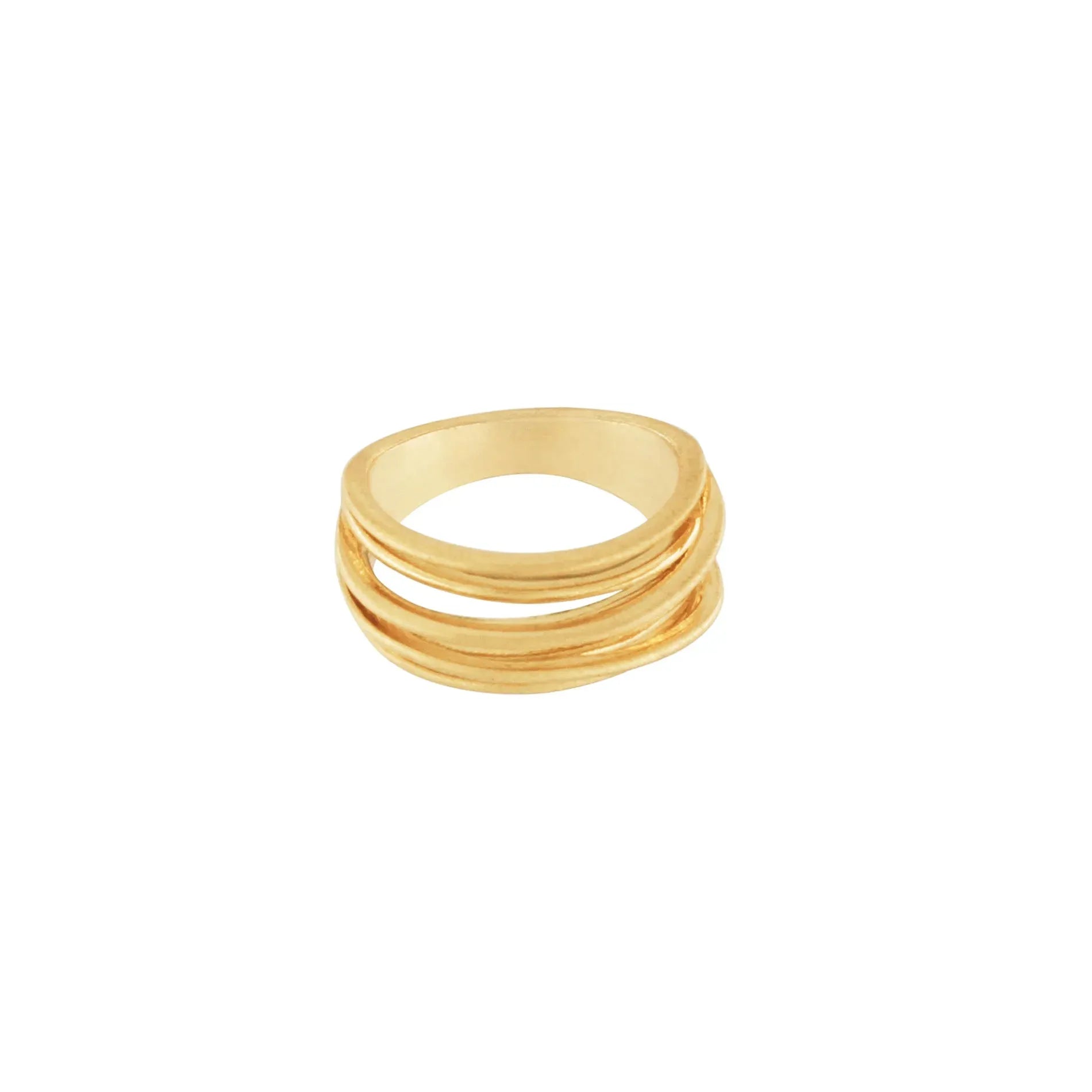
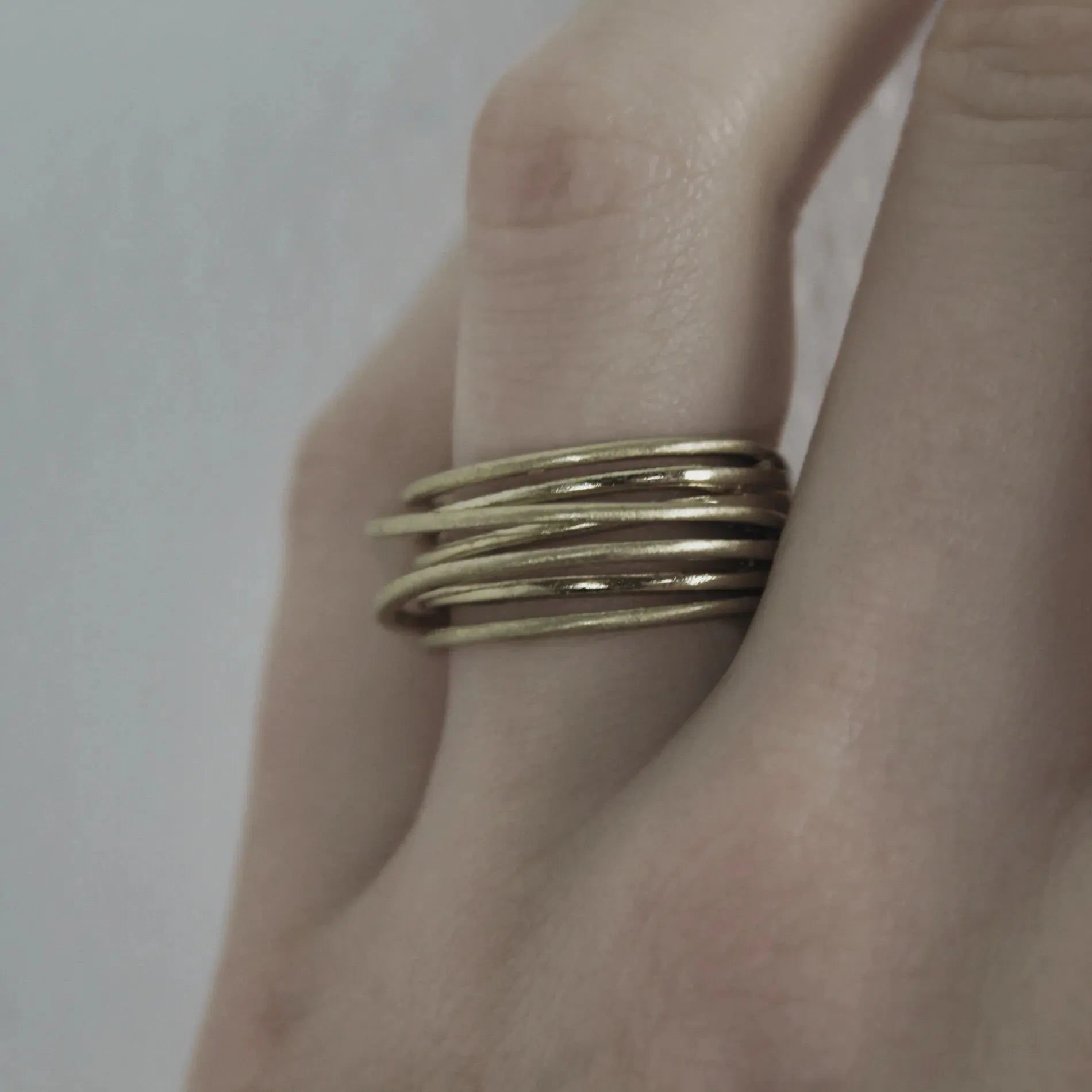
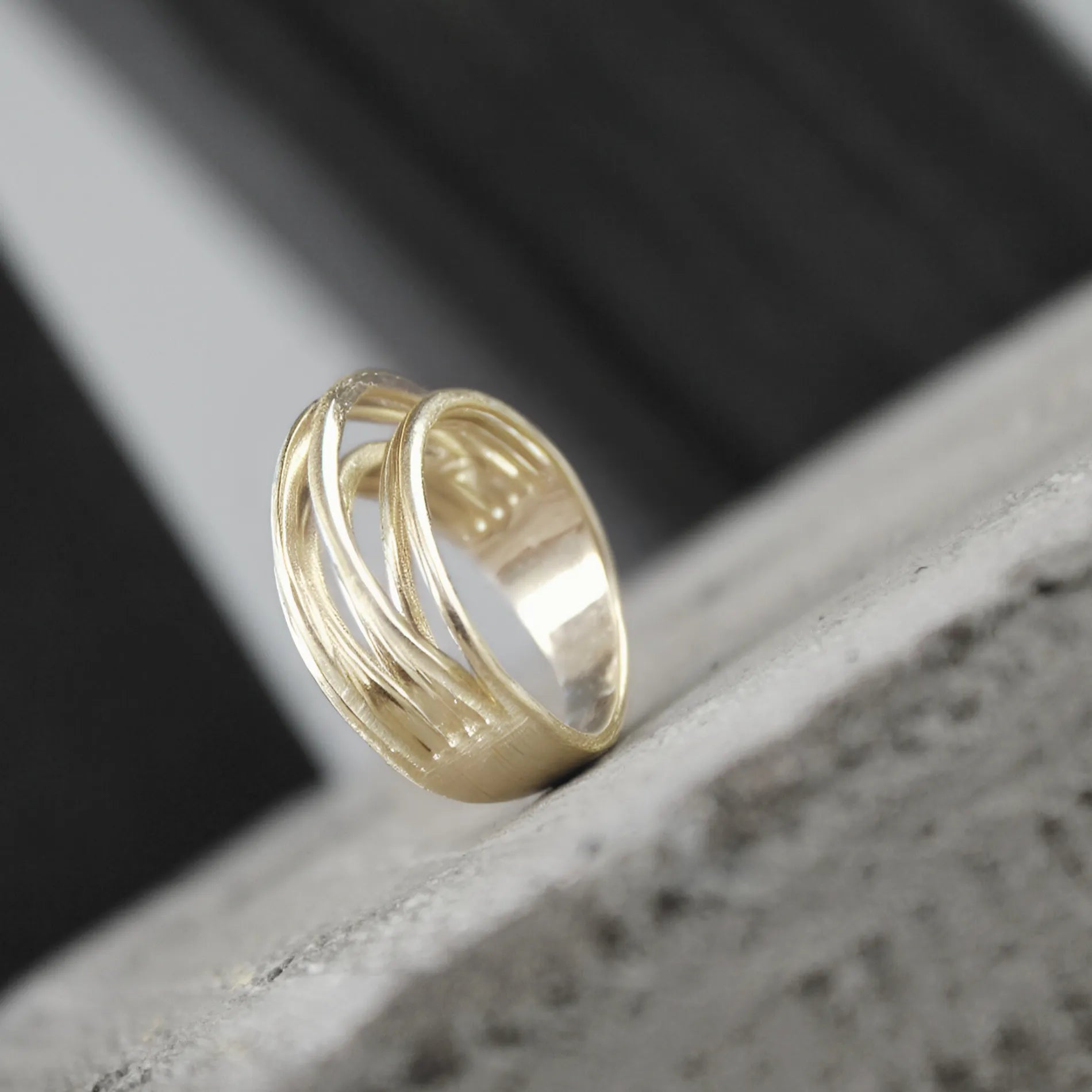
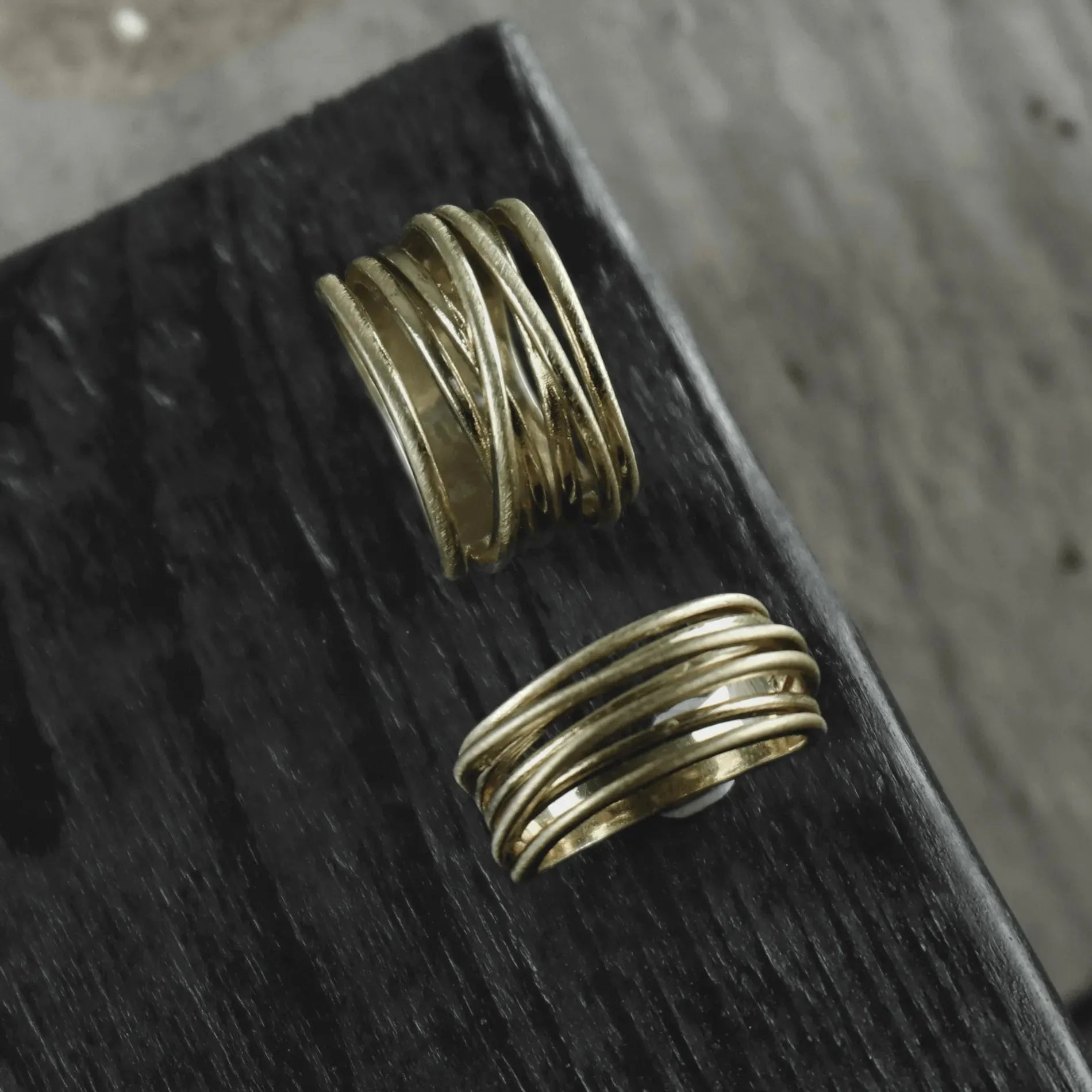
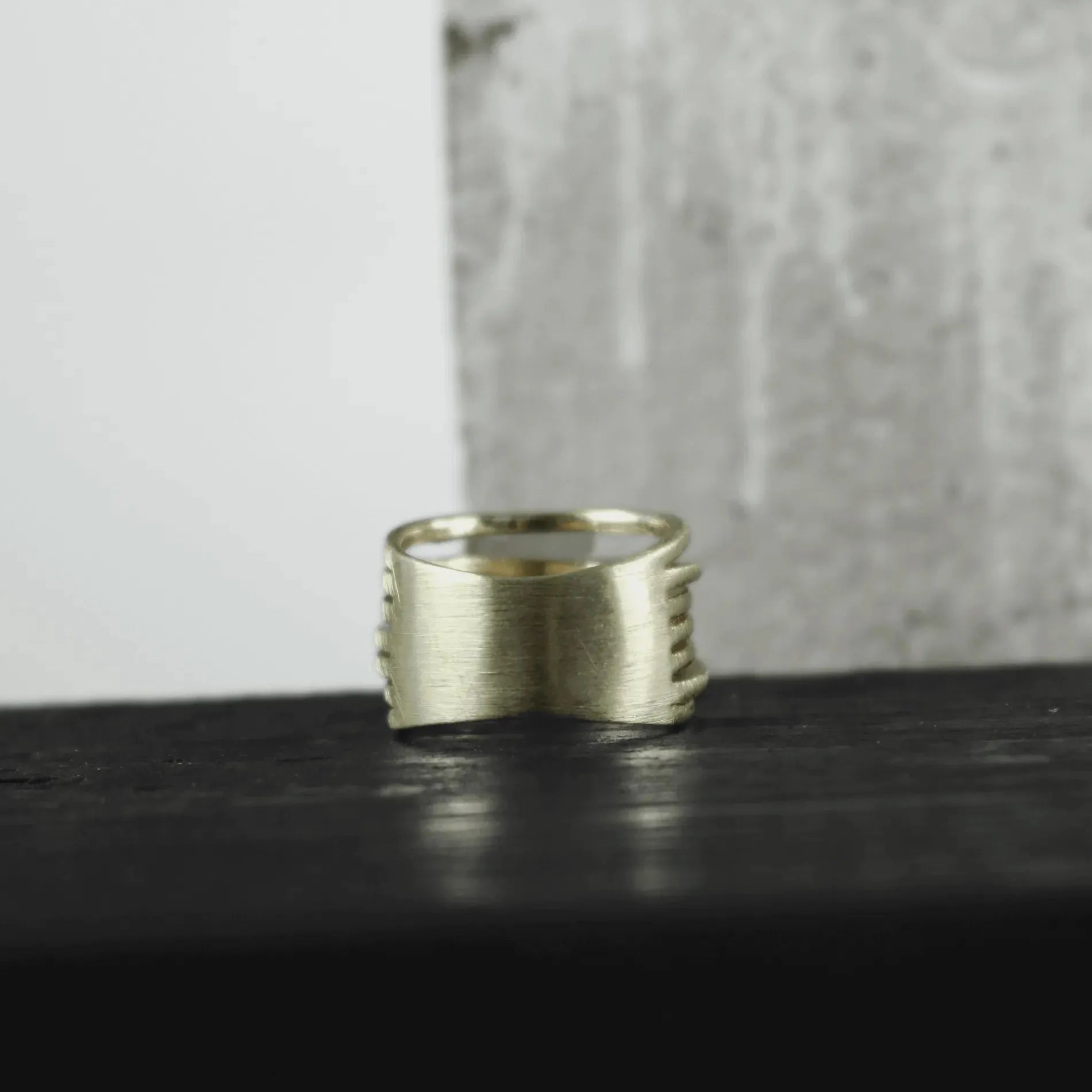
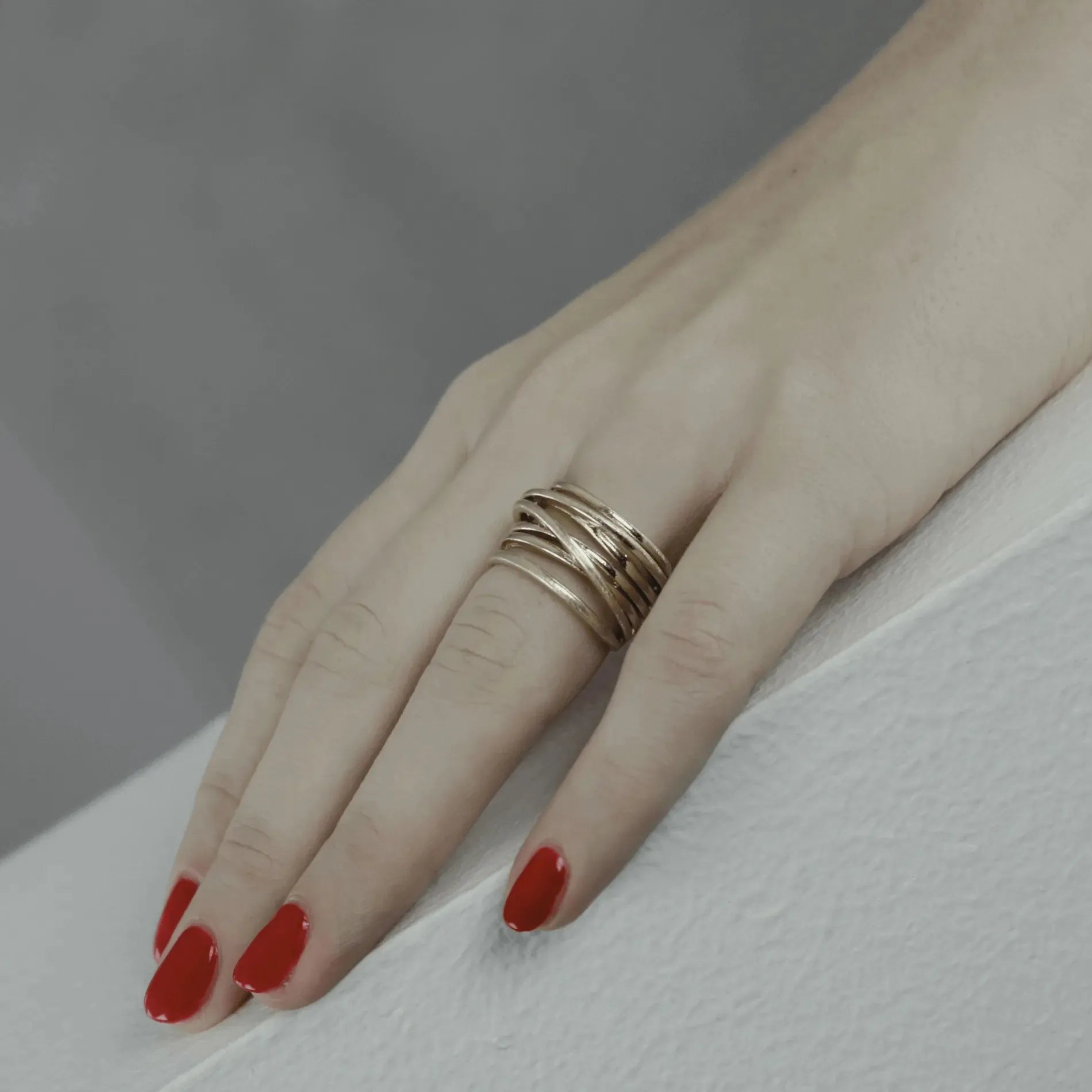


Hypoallergenic Rings
HYPOALLERGENIC RINGS – Designed for Sensitive Skin
HYPOALLERGENIC RINGS – considered materials for the jewellery you wear close, every day. DANSK Copenhagen designs rings in premium 316L surgical steel, combining clean Scandinavian forms with sensitive skin in mind. Choose a ring that expresses your style, with a comfortable fit for the way your hands move.
Why 316L surgical steel makes a thoughtful choice
A ring stays in close contact with your finger as you work, dress and move through your day. The material against your skin matters, especially beneath the band where moisture and everyday residue can collect.
316L stainless steel naturally forms a thin, protective oxide layer at its surface. This layer helps resist corrosion and limit the release of metals from the alloy. That surface stability is an important reason 316L surgical steel is chosen for jewellery worn against sensitive skin. It offers a practical foundation for everyday rings, without relying on a claim that the alloy contains no nickel.
Natural silver tones or ION-plated gold
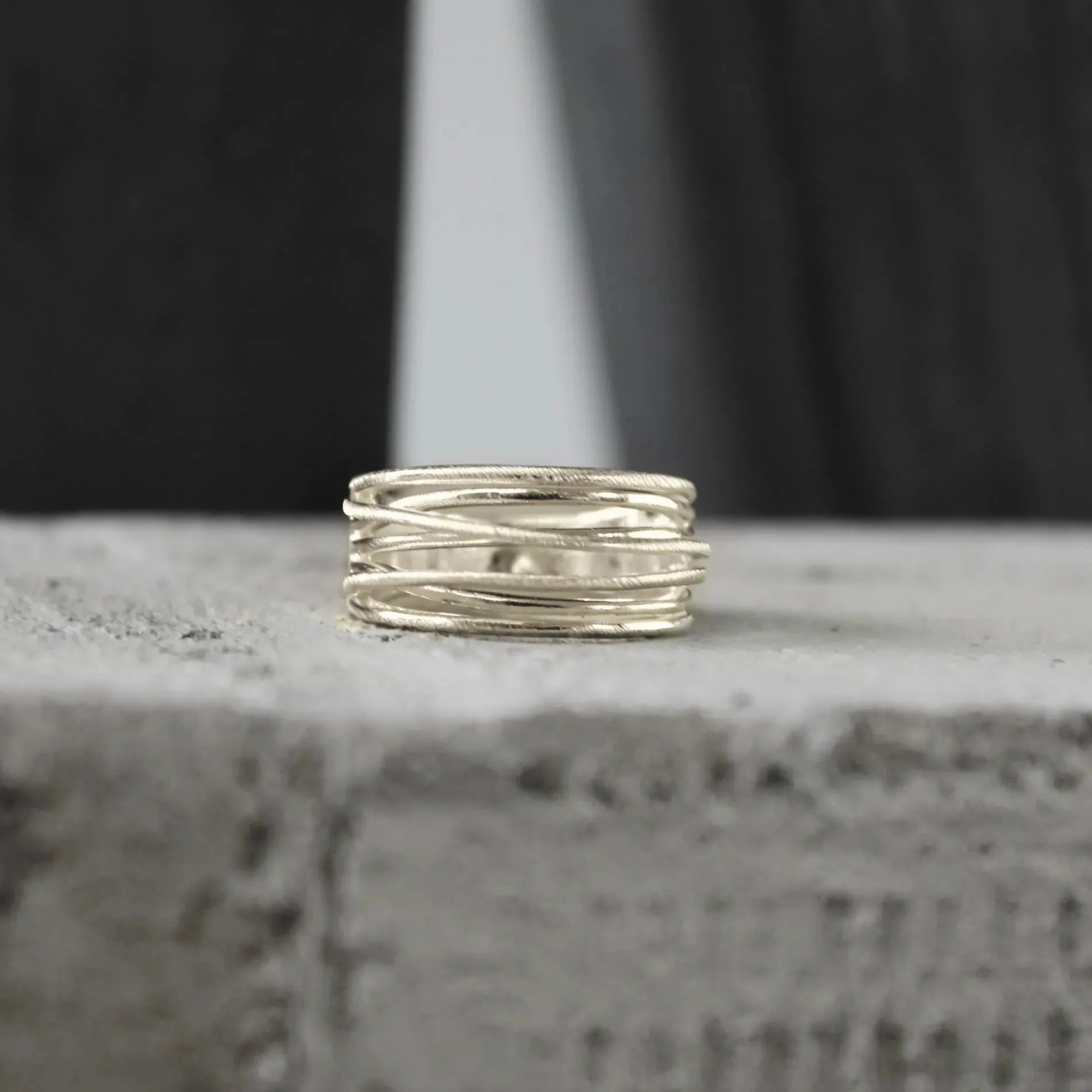
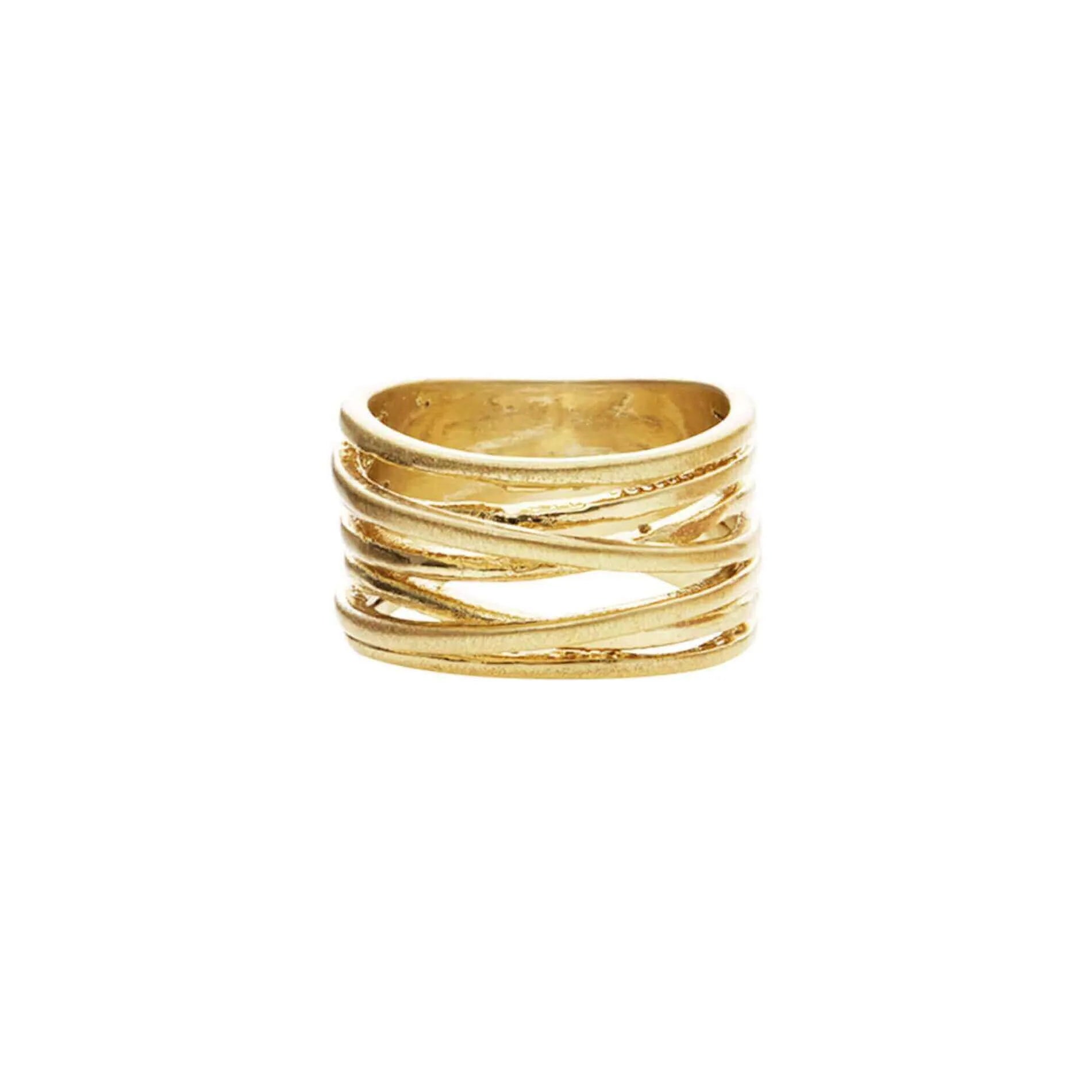
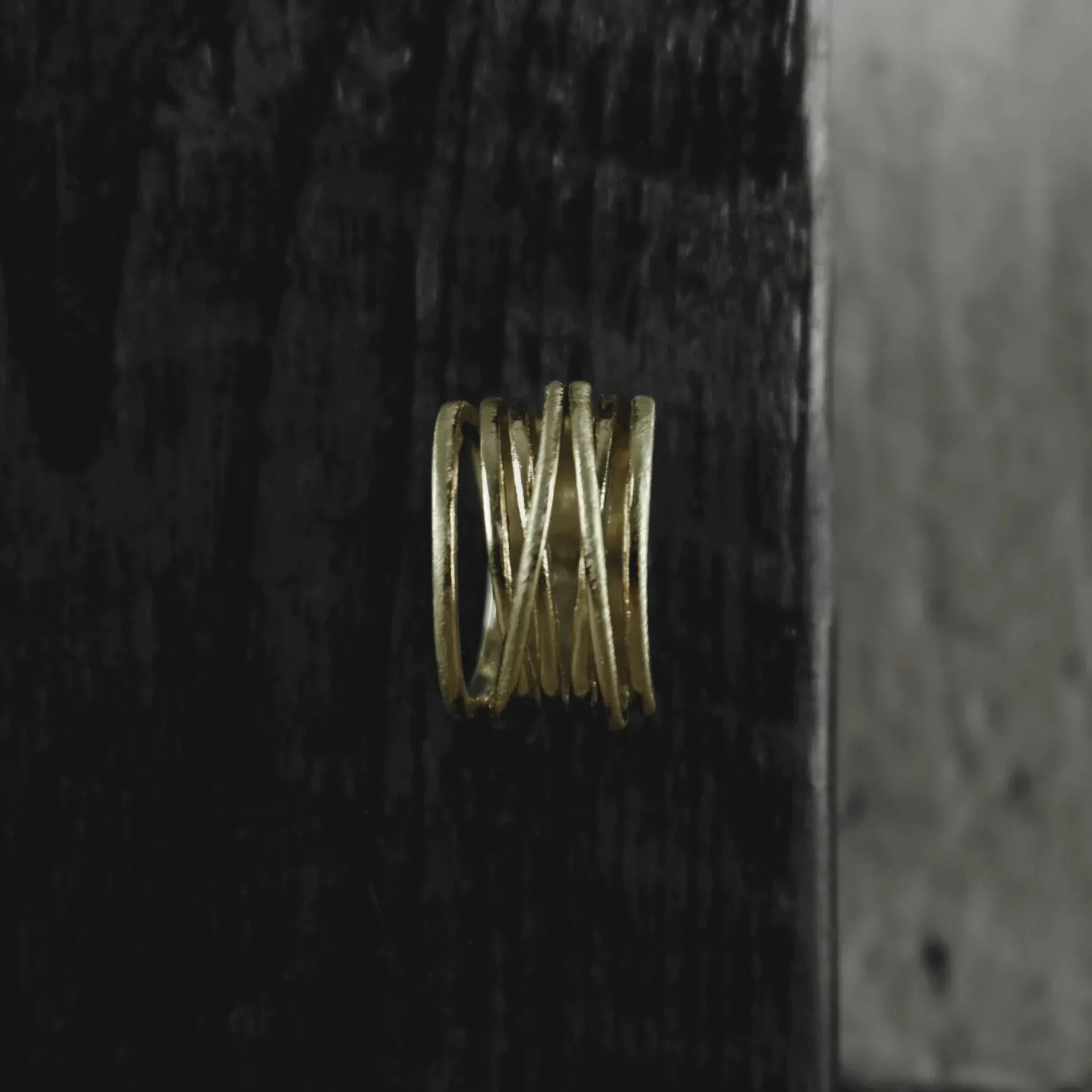
Silver-tone 316L rings show the natural colour of the steel itself. The tone runs through the material to its core; it is not a silver coating. Gold-tone designs use ION plating over a 316L steel base for lasting colour. Choose cool silver tones, warm gold tones or mix both for a look that feels like yours.
Find a ring size that feels comfortable
Measure the finger you intend to wear your ring on and compare it with the sizing information for your chosen design. Fingers can change in size with temperature and throughout the day, so check more than once rather than measuring only when your hands are unusually cold or warm.
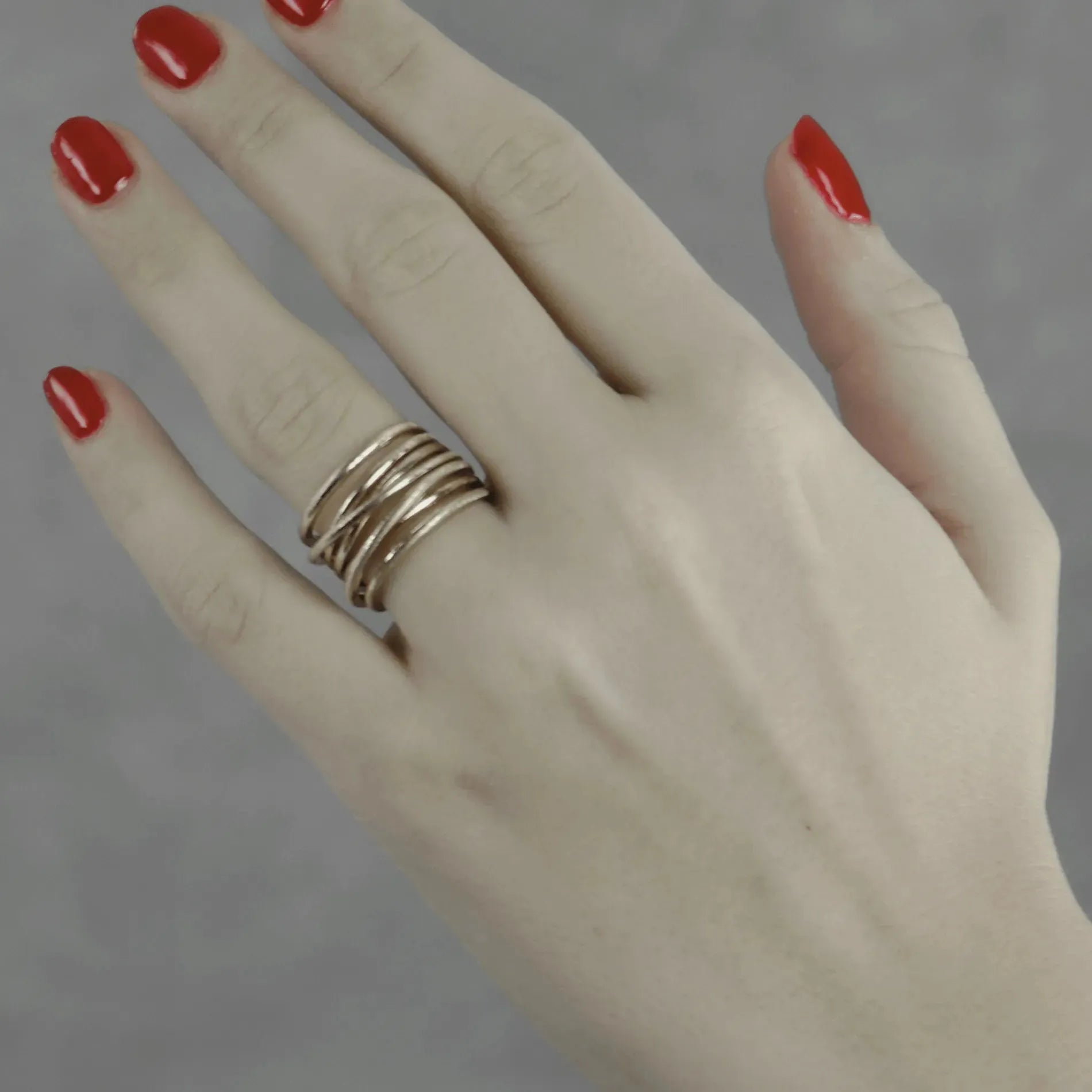
A comfortable ring should sit securely without pinching and pass over your knuckle with gentle resistance. Wider bands cover more skin and can feel closer than narrow bands in the same size. Consider the width as well as the stated ring size, especially if you are choosing a more substantial design.
If a ring has an open shape, do not assume it is adjustable. Only change its fit when the individual product instructions allow it, and avoid repeatedly bending the metal.
Stack rings with room to move
Wear one ring to give its form space, or combine narrower designs for a personal stack. Several rings together create a wider band of contact around your finger. Check the combined fit with your hand relaxed and gently closed, making sure the rings do not pinch or press into neighbouring fingers.
If your skin is sensitive to friction or trapped moisture, a lighter stack may feel more comfortable. Choose the combination that suits your hands and your routine rather than adding more than feels easy to wear.
Keep the skin beneath your ring clean and dry
Soap, hand cream and perspiration can remain beneath a ring even when the metal itself resists corrosion. Remove your ring when needed to rinse and dry your hands thoroughly, including the area normally covered by the band. Let hand cream settle before putting it back on.
Gently clean your ring with mild soap and water where its care instructions allow, then dry it with a soft cloth. Follow individual guidance for stones, pearls and other decorative details. Remove rings before heavy lifting, contact sports or activities involving harsh chemicals, pressure or a risk of catching.
Water resistance and skin comfort are different benefits. Explore our waterproof rings for water-related guidance, while remembering that keeping the skin beneath a ring dry remains important.
Are hypoallergenic rings nickel-free?
No. 316L surgical steel contains nickel within its alloy. Its protective, corrosion-resistant surface helps limit metal release, which is different from total nickel content. Hypoallergenic does not guarantee that nobody will react. If you have a diagnosed metal allergy or have reacted to stainless steel before, ask your dermatologist which materials suit you.
Learn more in our guide to hypoallergenic jewellery, or explore the full HYPOALLERGENIC JEWELLERY collection for matching earrings, necklaces and bracelets.
Made with Love. Designed to Last.
No stockist near you yet? Get in touch and we'll do our best to find one in your area.


316L Stainless Steel — Designed for Sensitive Skin
Every DANSK Copenhagen hypoallergenic ring is made from 316L stainless steel — a grade that stays chemically stable against your skin through water, sweat, and daily wear. Nickel-free and hypoallergenic, it is gentle even on the most sensitive skin. Put it on. Leave it there.
Why 316L Is Gentle on Skin
316L stainless steel releases virtually nothing into the skin — even after prolonged contact with moisture and sweat. Its corrosion resistance means the surface stays intact, so there is nothing working against your skin over time. If you have ever had to take a ring off because of a reaction, you will not need to here. For more skin-safe options, explore our nickel-free rings and waterproof rings.
Available in Gold and Silver
Choose from gold rings finished with ION plating for a warm, lasting brilliance — or silver rings in natural 316L stainless steel where the tone runs all the way through the metal to the core. No coating. No compromise. Both hypoallergenic. Both designed to last.
Designed in Copenhagen. Made to Be Worn Every Day.
From minimal bands to bold sculptural statements — hypoallergenic rings that work with your skin, not against it. Made with love. Designed to last.
FAQ
Are all DANSK rings hypoallergenic?
Yes — every DANSK ring is made from 316L stainless steel, which is widely considered hypoallergenic. It stays chemically stable against your skin through daily wear, water, and sweat without causing irritation.
Are DANSK rings nickel-free?
Yes — 316L stainless steel is nickel-free. Nickel is one of the most common causes of jewellery-related skin reactions, and DANSK rings are designed to be safe for even the most sensitive skin.
Can I wear a DANSK ring if I have a metal allergy?
316L stainless steel is one of the most skin-compatible metals available and is widely used in medical implants for this reason. If you have a known metal allergy, we recommend consulting your doctor — but most people with sensitive skin wear 316L steel without any issues.