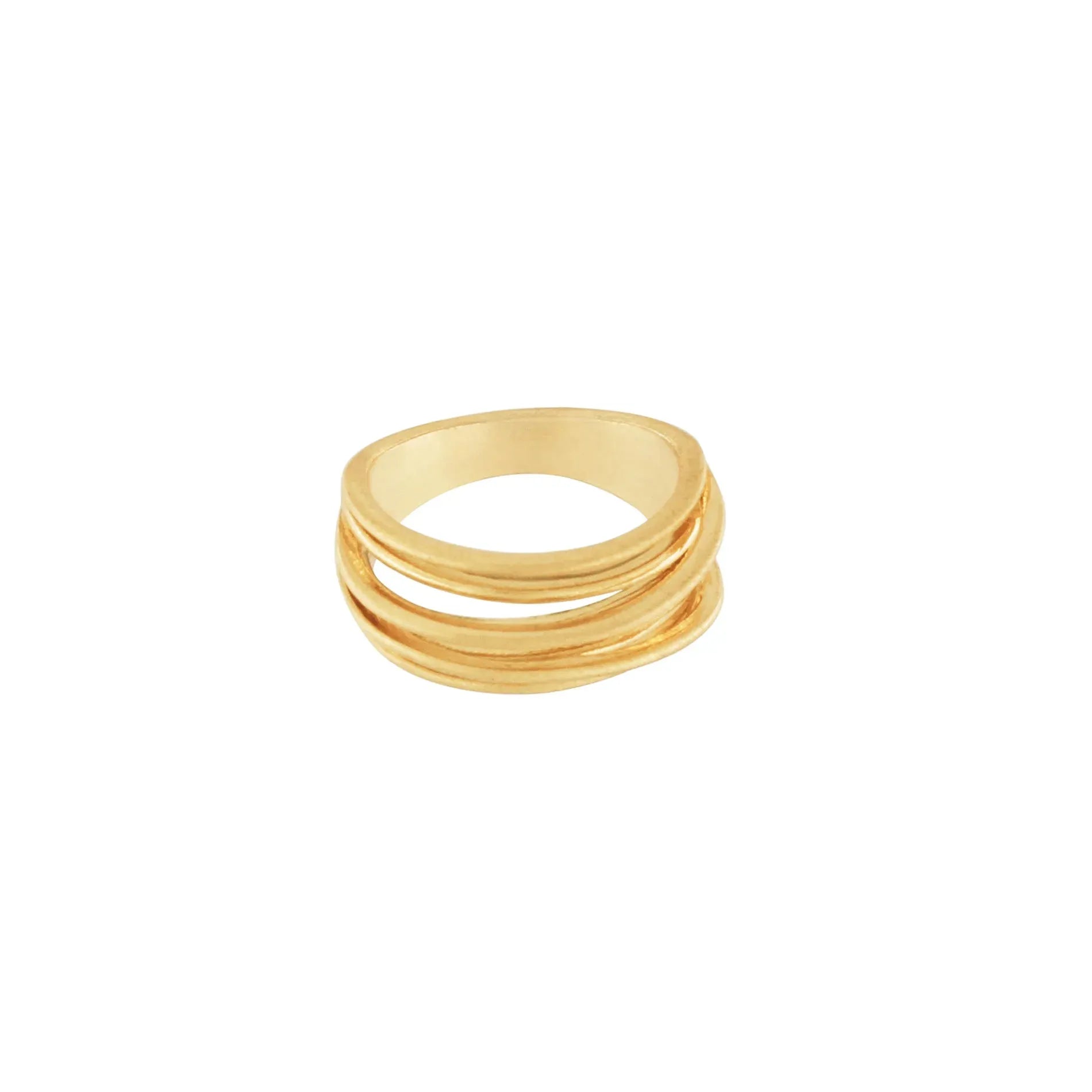
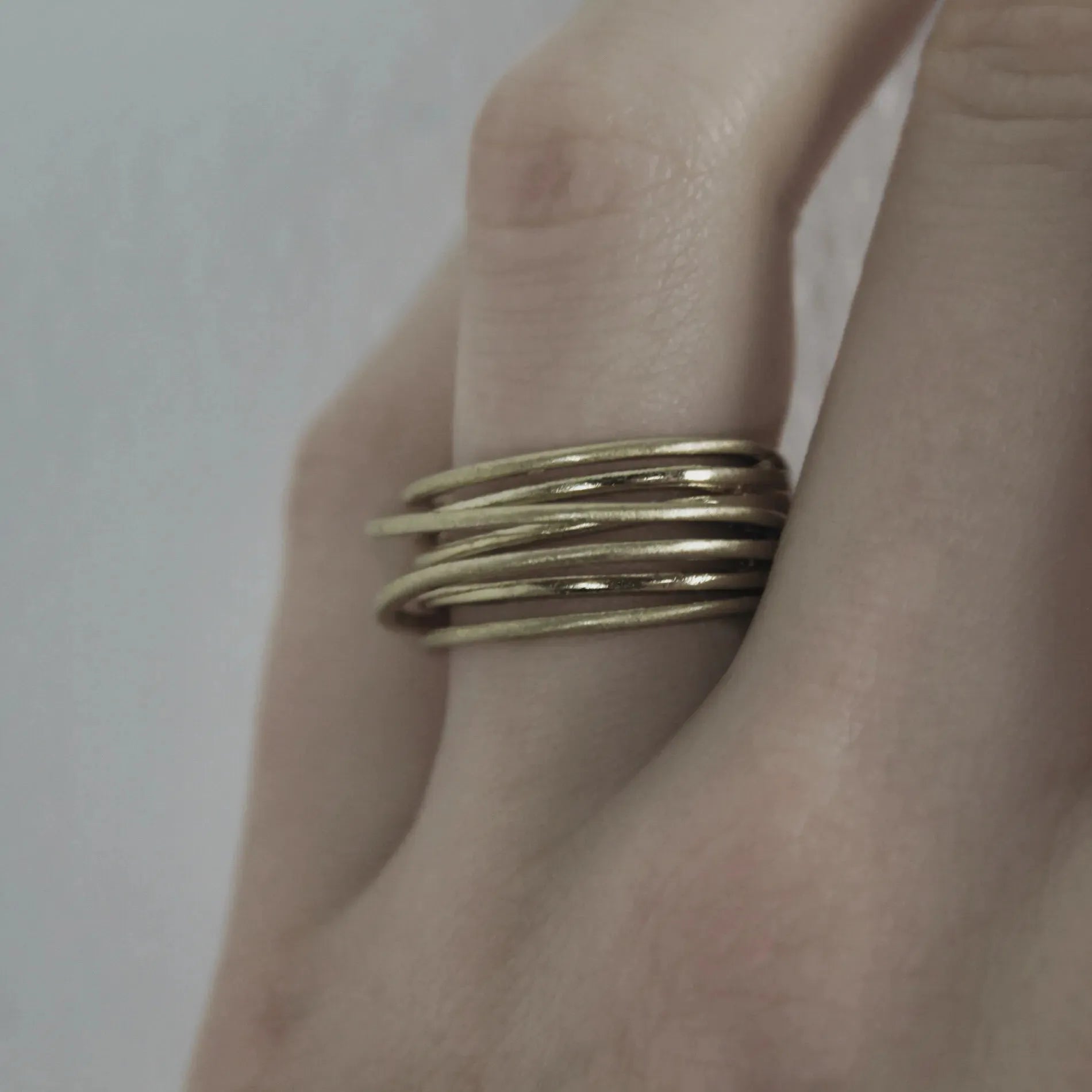
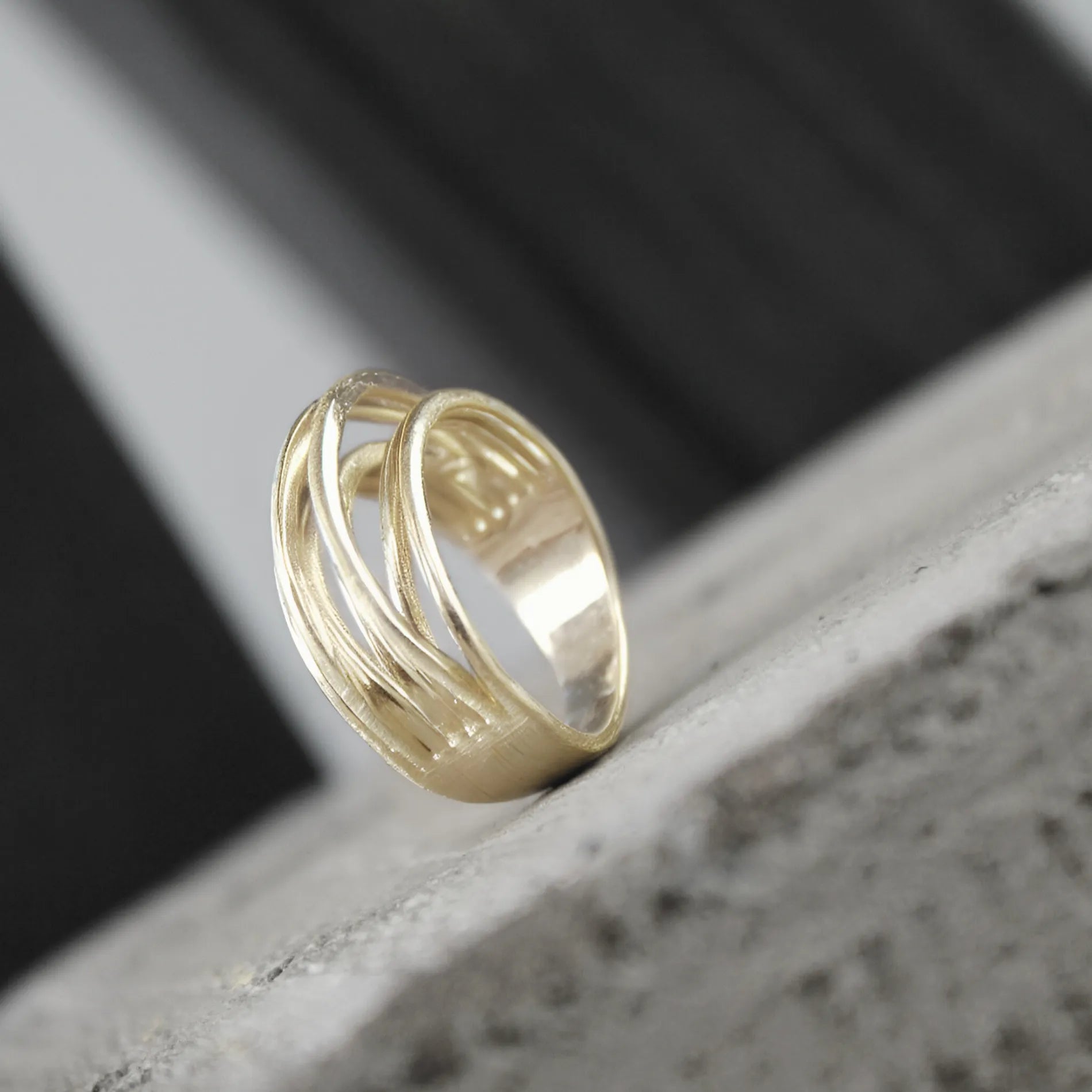
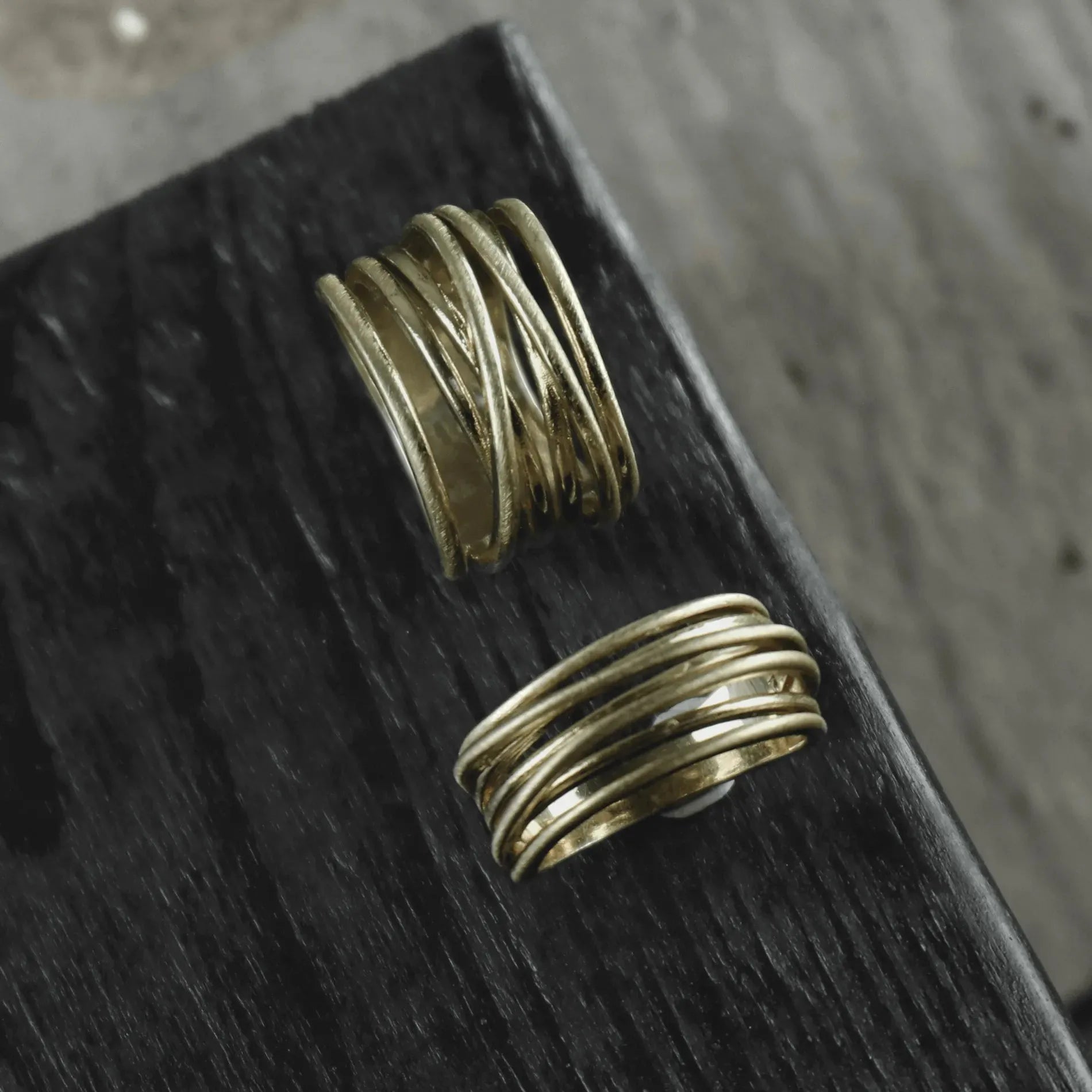
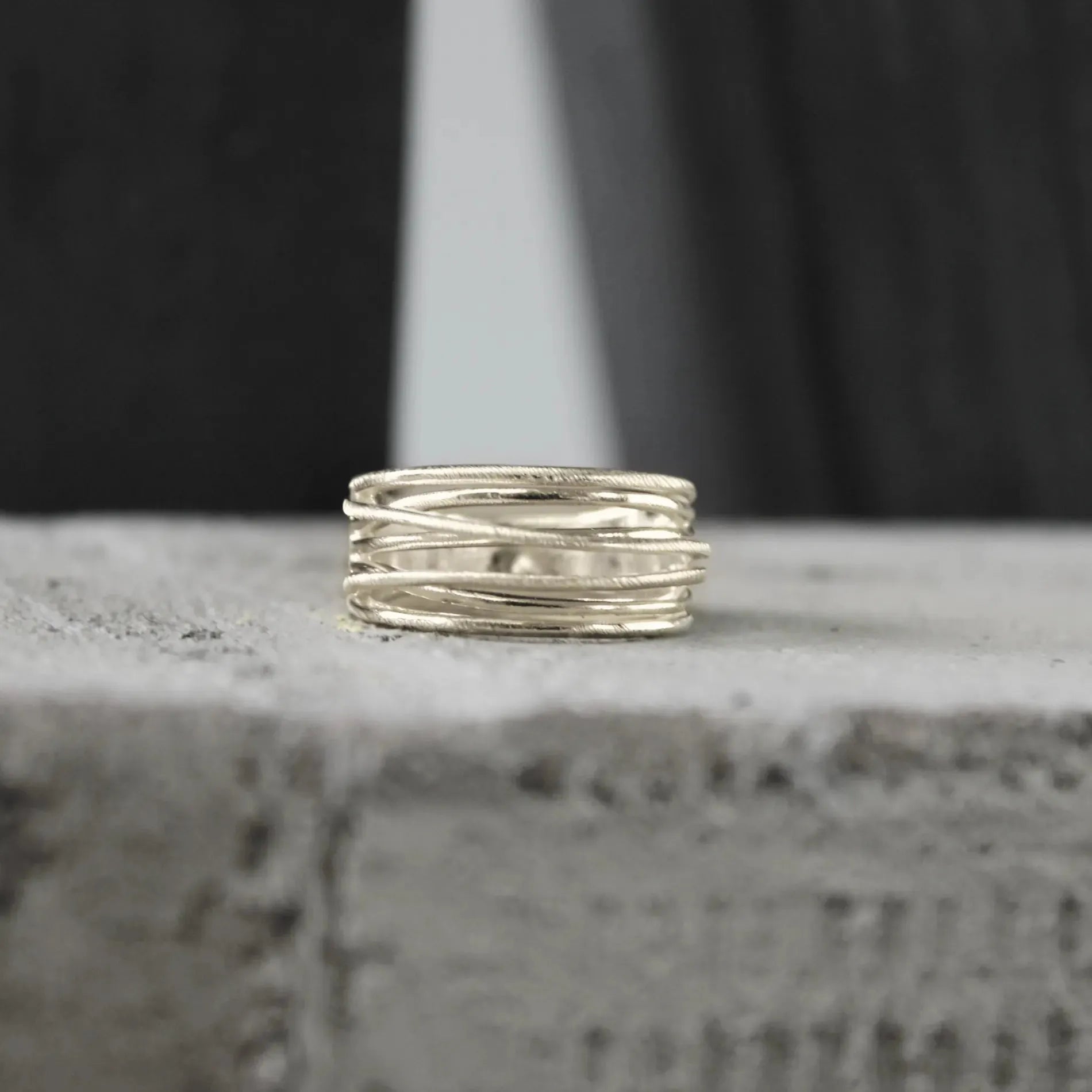
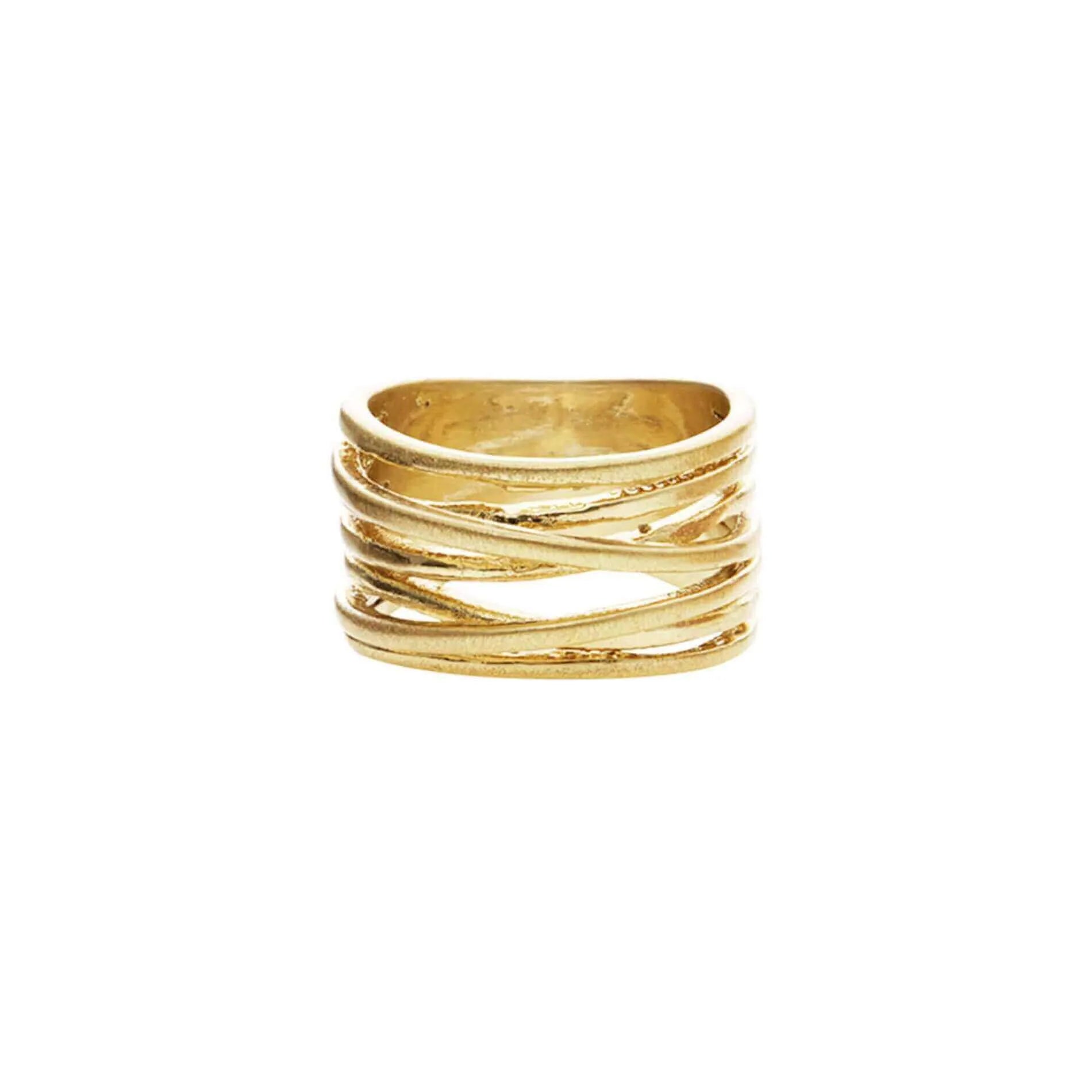
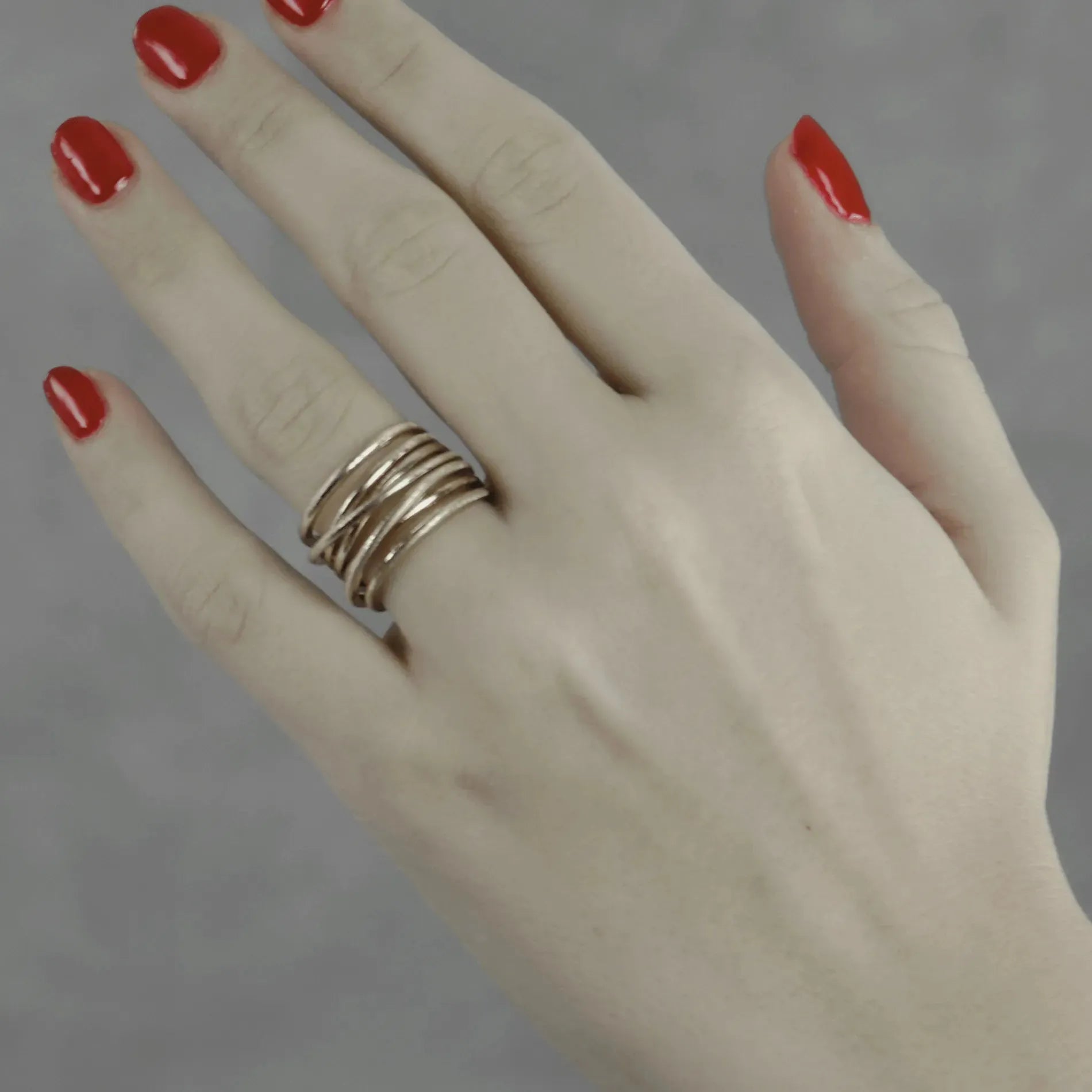
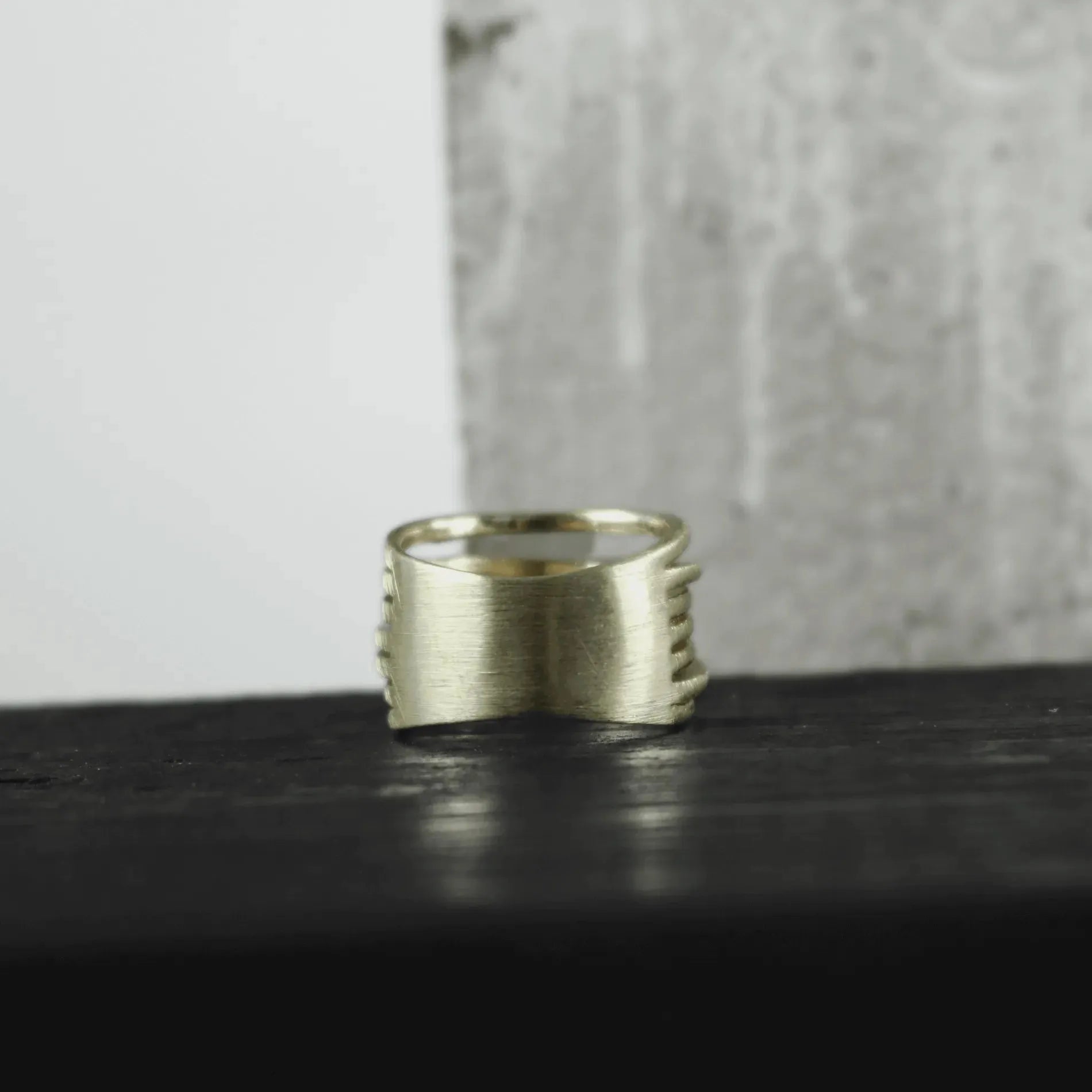
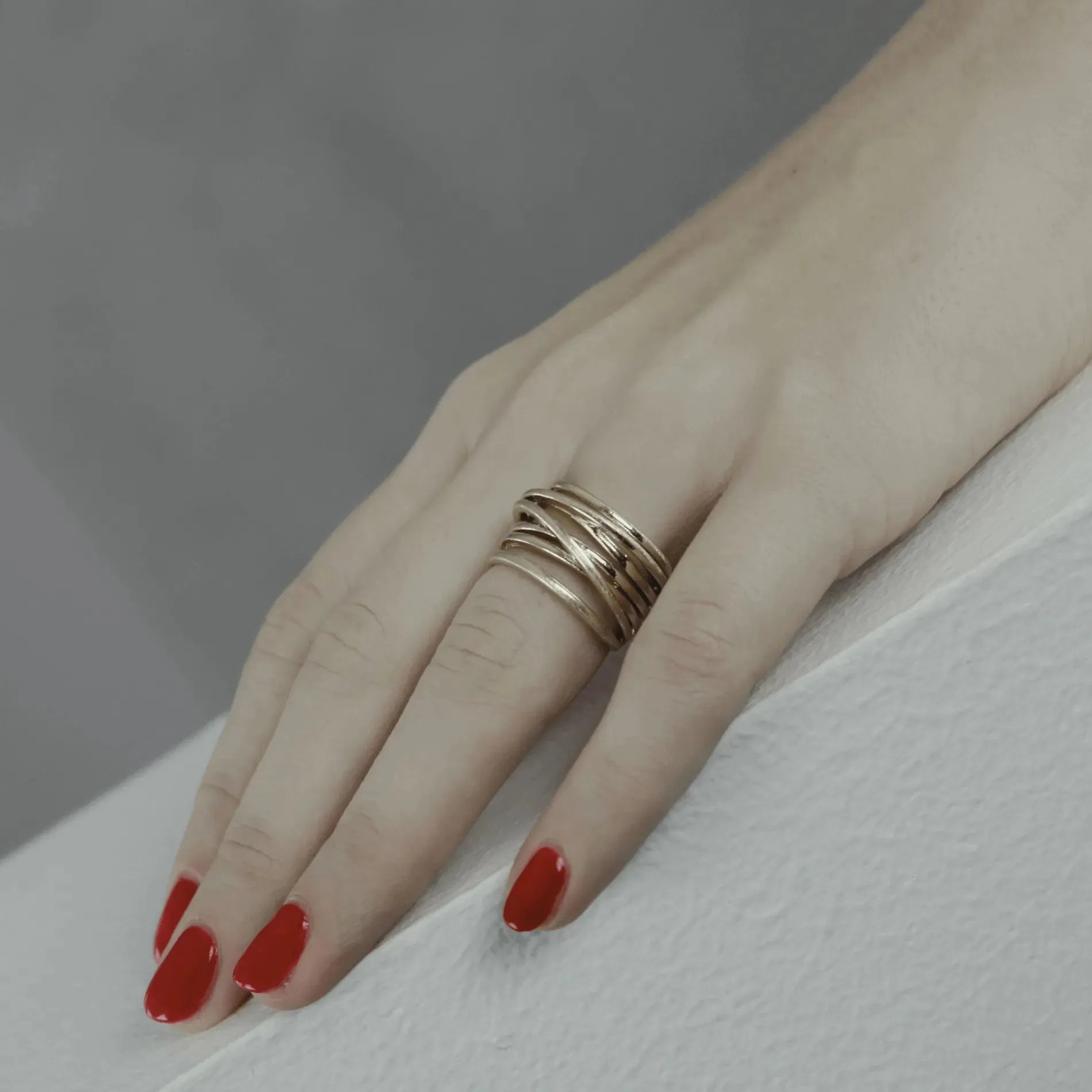


Des bijoux hypoallergéniques ?
 Pourquoi l'acier inoxydable 316L (acier chirurgical) est hypoallergénique : ce qu'il faut savoir
L'acier inoxydable 316L contient de très faibles teneurs en nickel et est largement considéré comme hypoallergénique, adapté à tous les types de peau, y compris les peaux sensibles. Sa résistance à la corrosion empêche également la libération d'ions qui irritent la peau, ce qui en fait l'un des matériaux les plus sûrs pour les bijoux de tous les jours. Si vous souffrez d'une allergie grave confirmée, consultez toujours un professionnel de santé.
Environ 15 % des personnes réagissent aux métaux utilisés dans les bijoux de tous les jours. Si vous avez déjà ressenti des démangeaisons, des rougeurs ou des irritations à cause d’un bijou, vous êtes loin d’être le seul — et la cause est presque toujours le même matériau. Ce guide explique en quoi l’acier chirurgical 316L est différent et comment il se compare aux autres matériaux.
Que signifie réellement « bijoux hypoallergéniques » ?
Les bijoux hypoallergéniques sont conçus pour minimiser le risque de réaction allergique. Ils sont fabriqués à partir de matériaux bien moins susceptibles d’irriter la peau — généralement ceux dont la teneur en nickel est très faible.
Aucun bijou n’est totalement à l’abri des allergies. Mais choisir un matériau hypoallergénique réduit considérablement le risque de réaction. Pour toute personne ayant la peau sensible, cela fait toute la différence entre porter un bijou au quotidien et le laisser au fond d’un tiroir.
Un métal véritablement hypoallergénique présente deux avantages : il contient un minimum d'éléments susceptibles de déclencher des allergies et il reste chimiquement stable au contact de la peau, malgré la transpiration, l'eau et l'usure quotidienne.
Pourquoi les bijoux provoquent-ils des réactions cutanées ?
La plupart des allergies aux métaux sont dues à un seul élément : le nickel. Il est ajouté à de nombreux alliages utilisés en joaillerie pour renforcer leur résistance, mais c’est aussi le déclencheur le plus courant de réactions.
Les allergies au nickel touchent environ 15 % de la population. Les symptômes vont de légères démangeaisons et rougeurs à la formation de cloques dans les cas les plus graves. Opter pour un matériau à faible teneur en nickel élimine ce souci pour la plupart des porteurs.
Acier chirurgical 316L ou métaux réactifs : lequel est le plus sûr pour les peaux sensibles ?
L’acier chirurgical 316L est plus sûr pour les peaux sensibles que les métaux réactifs tels que le laiton ou les alliages riches en nickel. Il contient de très faibles teneurs en nickel et reste chimiquement stable ; il est donc largement considéré comme hypoallergénique et doux pour tous les types de peau.
Son nom en dit long. L’acier chirurgical est la même qualité que celle utilisée pour les implants et les instruments médicaux — des environnements où la sécurité cutanée est essentielle. Il s’agit d’une norme matérielle vérifiable, et non d’un argument marketing.
DANSK Copenhagen a achevé sa transition vers l’acier inoxydable 316L haut de gamme en 2026, grâce à des années de retours clients et à un engagement sincère en faveur de bijoux sans danger pour la peau.
Comment la résistance à la corrosion protège-t-elle votre peau ?
Les réactions cutanées ne sont pas uniquement dues à la présence de nickel. Elles proviennent également des ions métalliques libérés dans la peau — et cette libération se produit lorsque le métal se corrode.
Lorsqu’une surface métallique se dégrade, elle libère des particules susceptibles d’irriter la peau. C’est pourquoi certains bijoux laissent une trace verte même s’ils ne contiennent que très peu de nickel.
L’acier chirurgical 316L offre une forte résistance à la corrosion. Il reste chimiquement stable face à la transpiration, à l’eau et à l’usure quotidienne, et ne libère donc pratiquement rien dans la peau.
Voici un comparatif des matériaux courants :
- Le laiton se corrode avec le temps, libérant des métaux susceptibles d’irriter la peau et de laisser des traces vertes.
- Le placage en argent des bijoux s’use, exposant le métal de base réactif qui se trouve en dessous.
- L’acier inoxydable 316L reste stable et intact : rien n’est libéré et rien ne peut réagir.
Comment l’acier chirurgical 316L se compare-t-il aux autres matériaux pour les peaux sensibles ?
Le choix du bon matériau est essentiel, en particulier pour les peaux sensibles. Voici un comparatif des options courantes.
| Acier chirurgical 316L (DANSK Copenhagen) | Laiton | Bijoux plaqués argent | |
|---|---|---|---|
| Teneur en nickel | Très faible | Variable — peut contenir du nickel | Dépend du métal de base |
| Résistance à la corrosion | Excellente — chimiquement stable | Se corrode au contact de l’humidité | Le placage s’use |
| Risque de réaction cutanée | Très faible | Plus élevé — la corrosion libère des substances irritantes | Augmente à mesure que le placage s’use |
| Traces vertes sur la peau | Non | Peut se produire lorsque le laiton s’oxyde | Possible une fois le placage usé |
| Peut être porté quotidiennement sans risque | Oui — y compris pour les peaux sensibles | Déconseillé aux peaux sensibles | Uniquement tant que le placage est intact |
| Idéal pour | Le port quotidien, les peaux sensibles | Bijoux fantaisie portés occasionnellement | Port de courte durée dans un environnement peu humide |
L'acier chirurgical 316L convient aux personnes qui souhaitent porter des bijoux tous les jours sans s'en soucier. Les modèles en laiton et plaqués argent sont plutôt réservés à un usage occasionnel.
Quels sont les avantages des bijoux en acier chirurgical hypoallergénique ?
Choisir l’acier chirurgical 316L ne se limite pas à protéger votre peau. Cela change la façon dont vous vivez vos bijoux.
- Portez-les tous les jours. Inutile de les retirer pour aller à la salle de sport, prendre une douche ou aller à la mer.
- Pas de réactions, pas de marques. Confortables même sur les peaux sensibles.
- Des bijoux qui durent. Leur résistance à la corrosion leur permet de conserver leur aspect neuf.
- Moins de soucis. Il suffit de les enfiler et de vaquer à vos occupations.
DANSK Copenhagen Les bijoux sont conçus pour être portés au quotidien, pas pour être rangés : portez-les sous la douche, à la piscine et dans toutes les situations de la vie.
FAQ
L’acier chirurgical est-il identique à l’acier inoxydable 316L ?
Oui. Ces termes désignent le même matériau. « Acier chirurgical » est le nom couramment utilisé pour désigner l’acier inoxydable 316L — un alliage à faible teneur en carbone, de qualité chirurgicale, utilisé en toute confiance pour les implants et instruments médicaux.
Puis-je porter de l’acier inoxydable 316L si je suis allergique au nickel ?
Dans la plupart des cas, oui. Le 316L contient de très faibles quantités de nickel, l’élément à l’origine de la plupart des allergies aux métaux. Aucun matériau n’est garanti à 100 % hypoallergénique pour tout le monde ; par conséquent, si vous souffrez d’une allergie grave confirmée, consultez toujours un professionnel de santé au préalable.
Pourquoi certains bijoux font-ils verdir ma peau ?
Les traces vertes proviennent d’un métal — généralement du laiton ou du cuivre — qui s’oxyde et réagit avec l’humidité et les acides cutanés. Ce n’est pas nocif, mais cela indique que le métal se corrode. Le 316L résiste à la corrosion, il ne fera donc pas verdir votre peau.
Les bijoux DANSK Copenhagen contiennent-ils du nickel ?
Les bijoux DANSK Copenhagen sont fabriqués en acier inoxydable 316L, qui contient de très faibles quantités de nickel. L'ensemble de la collection a adopté ce matériau en 2026, en réponse aux commentaires des clients et dans le souci d'assurer un confort optimal pour tous les types de peau.
Découvrez la collection DANSK Copenhagen : hypoallergénique, résistante au ternissement et conçue pour être portée au quotidien.