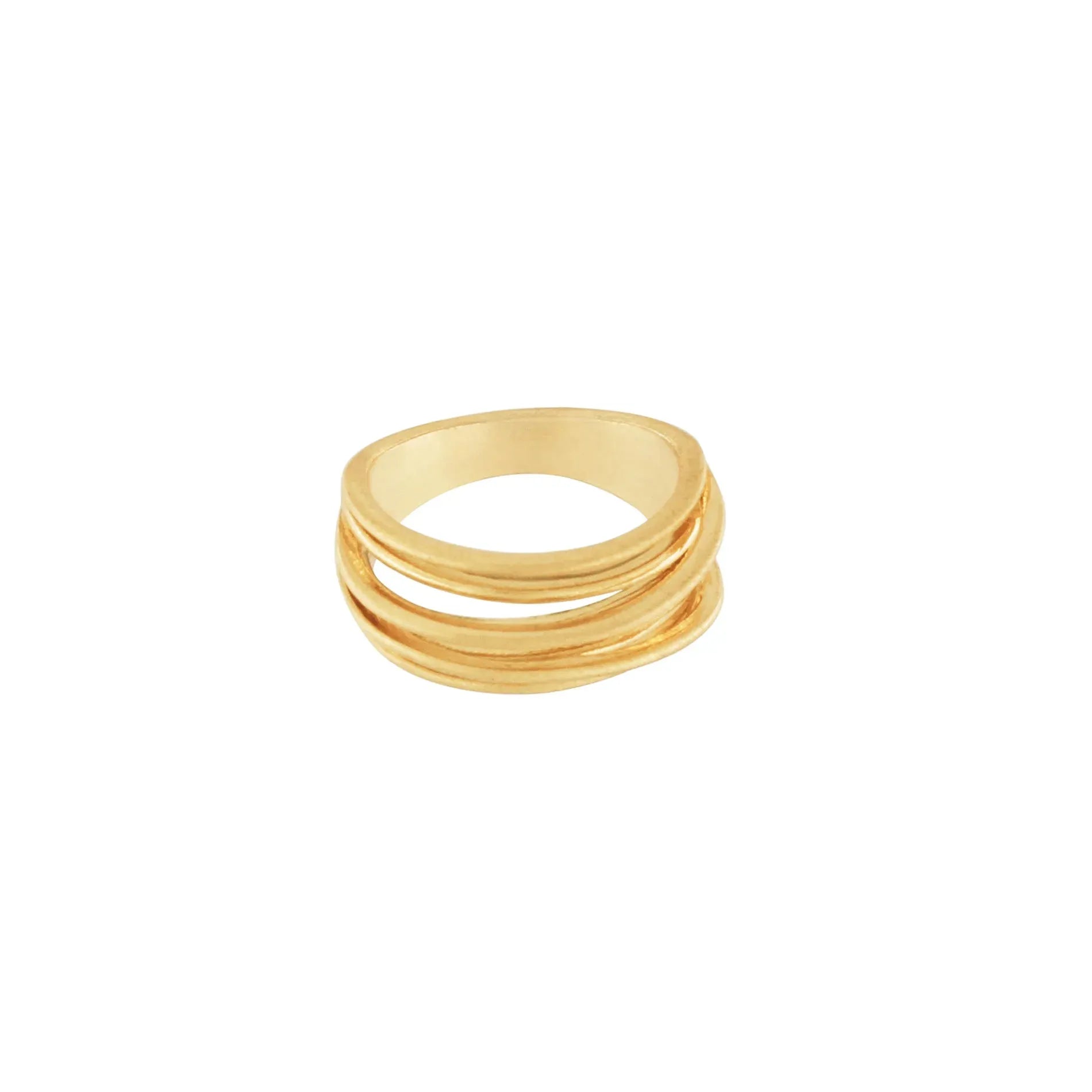
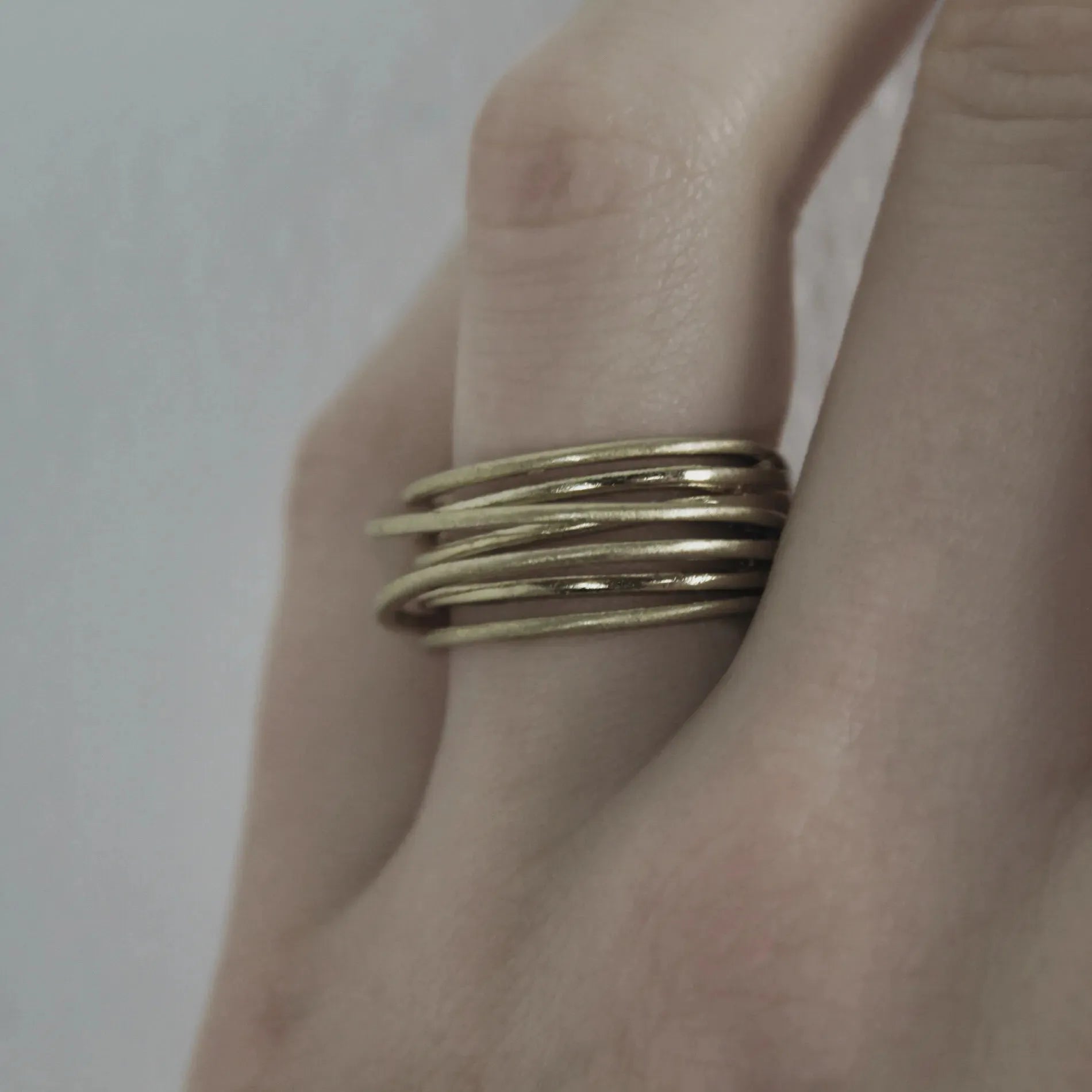
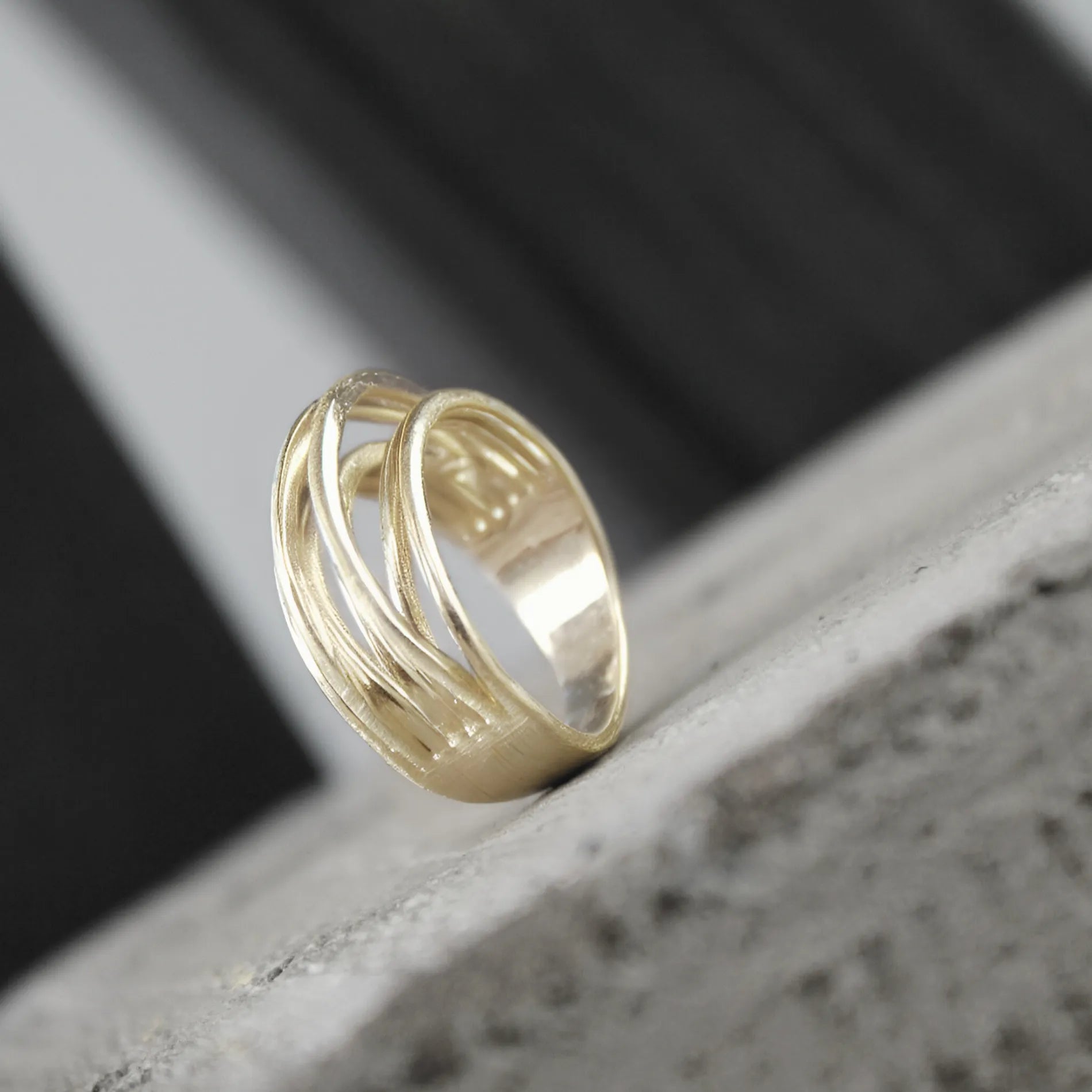
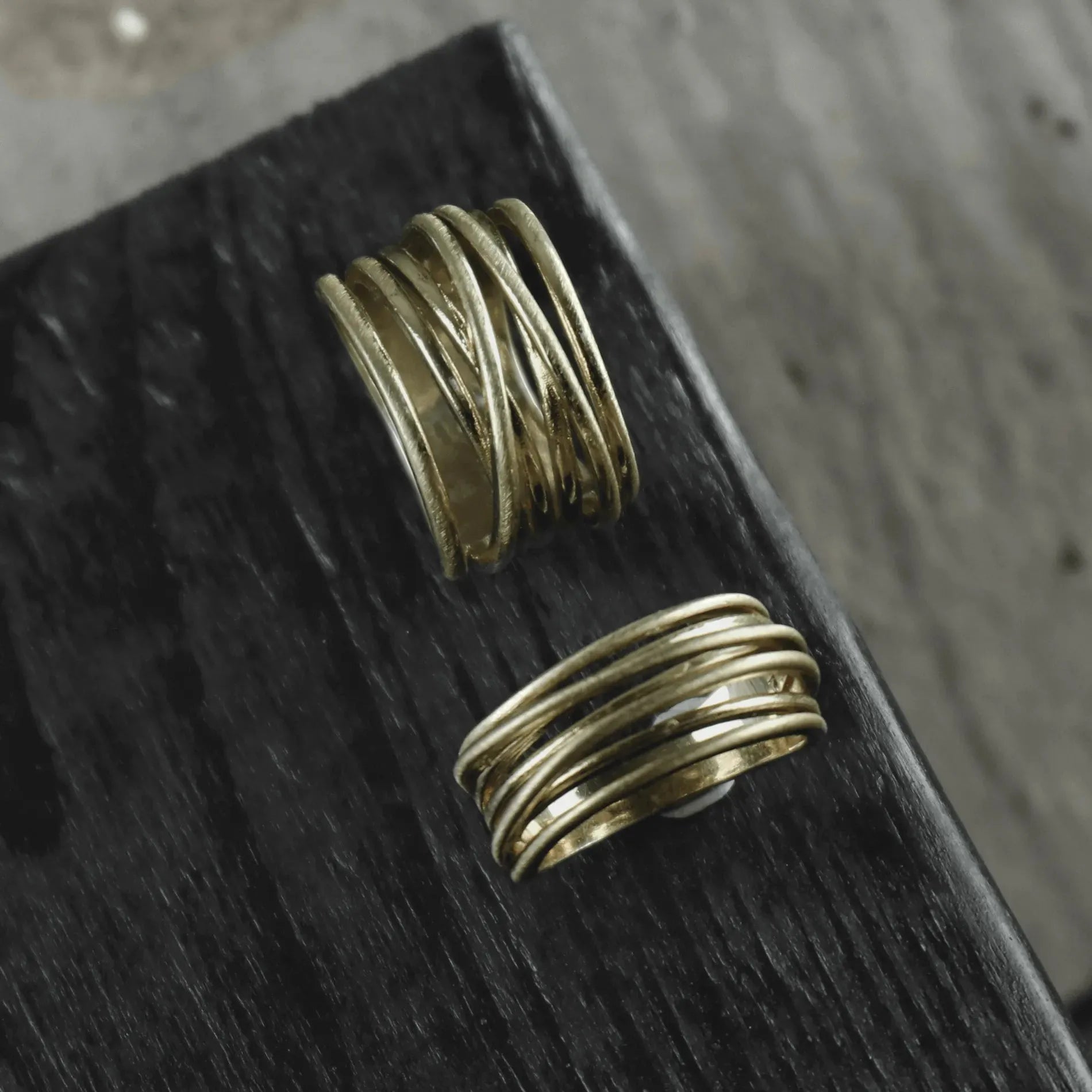
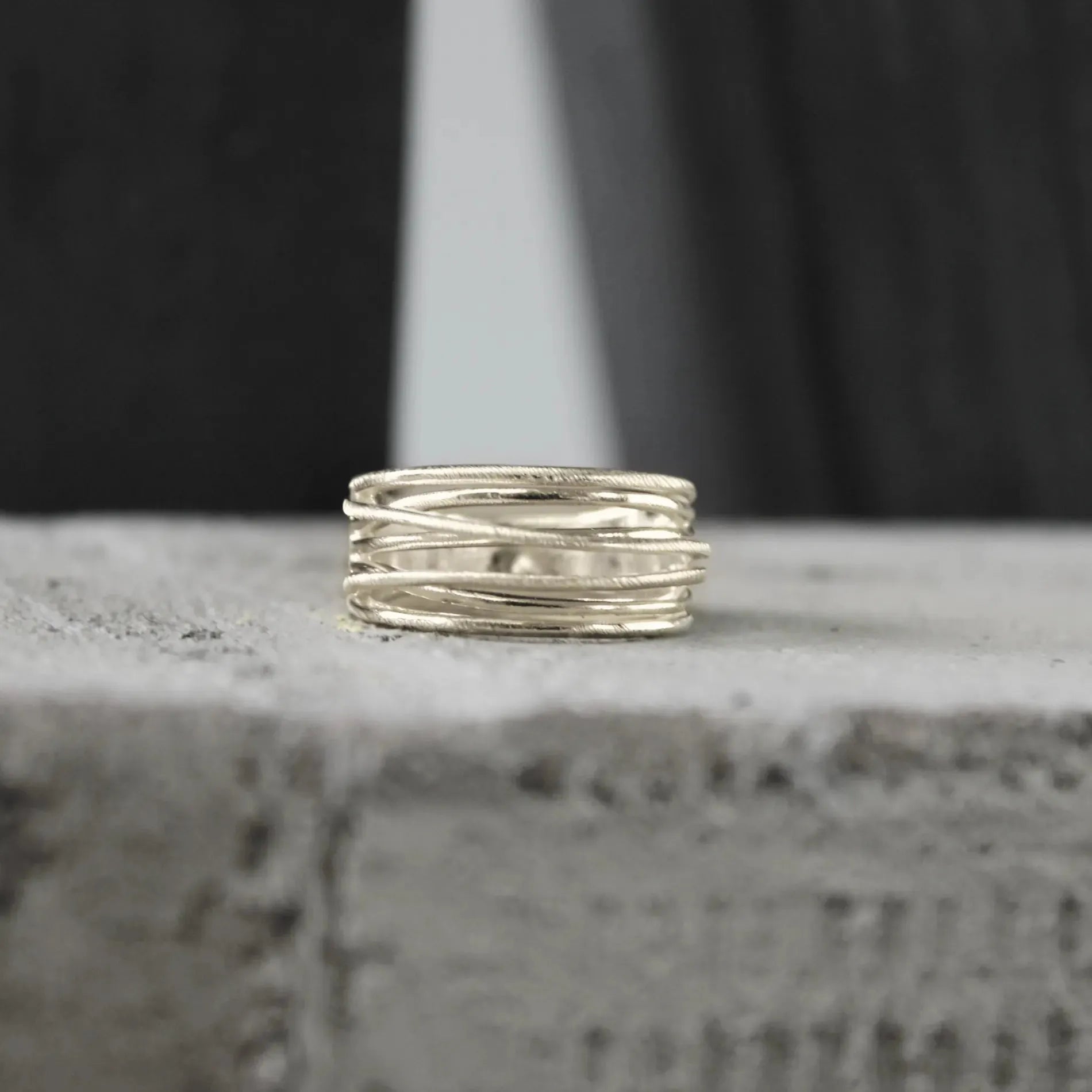
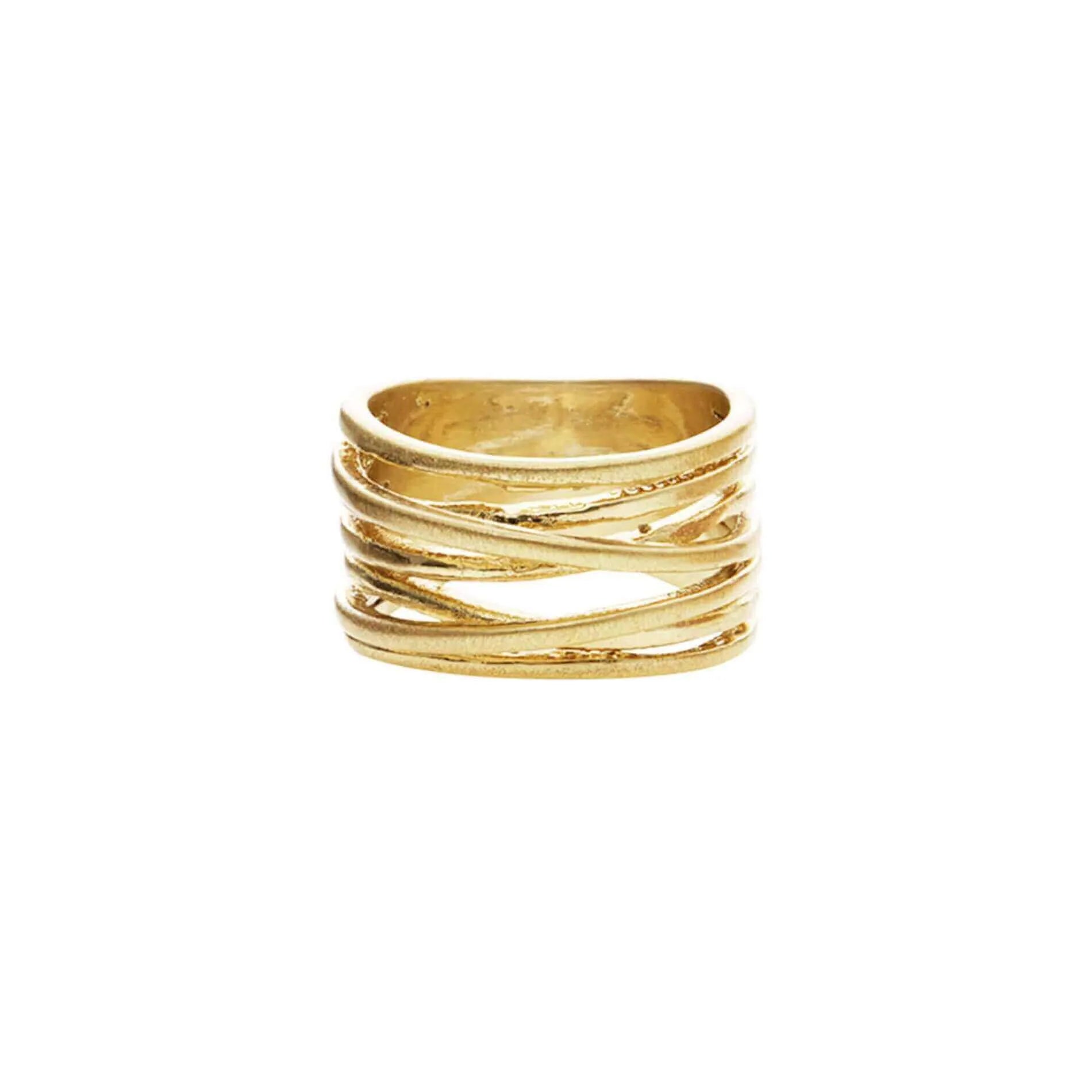
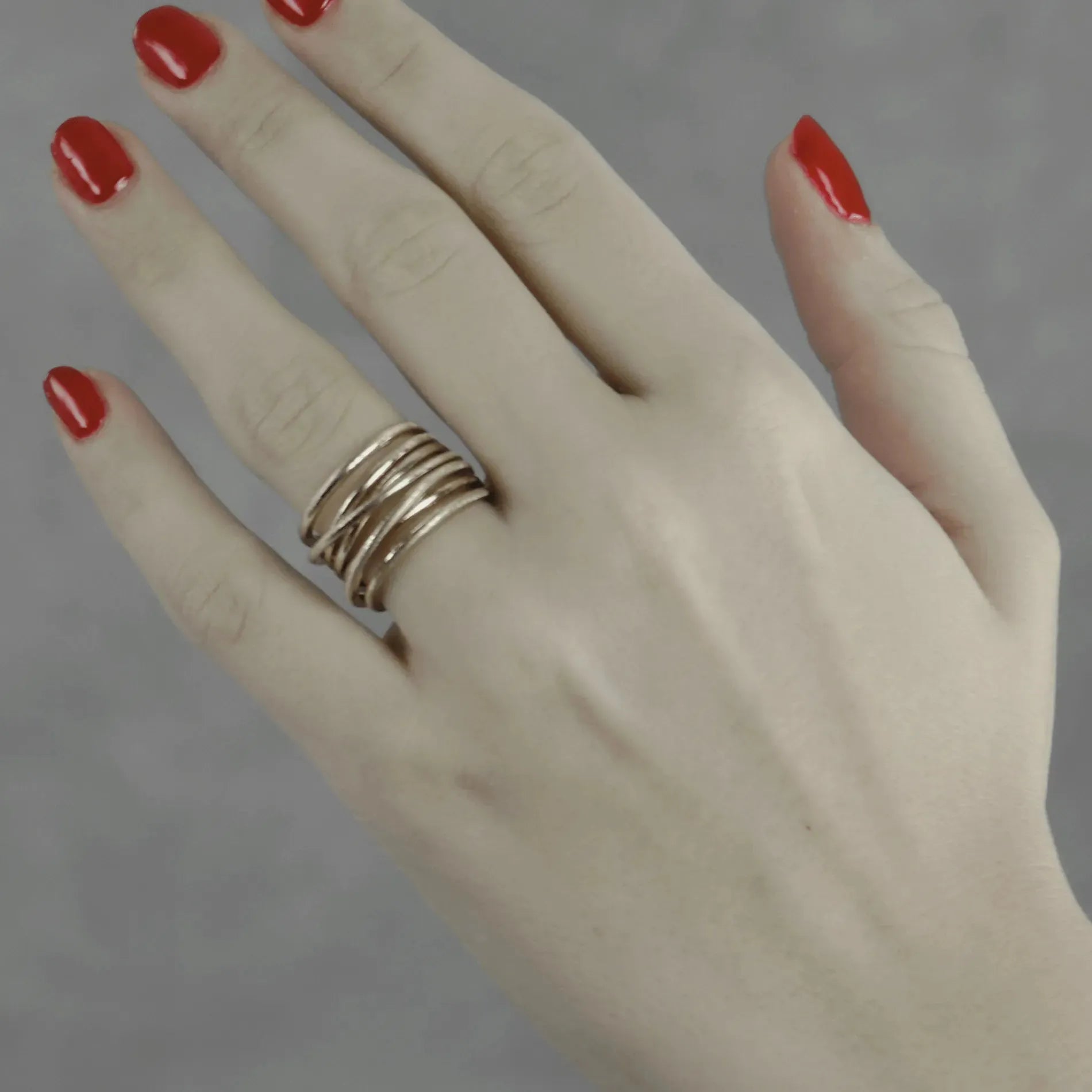
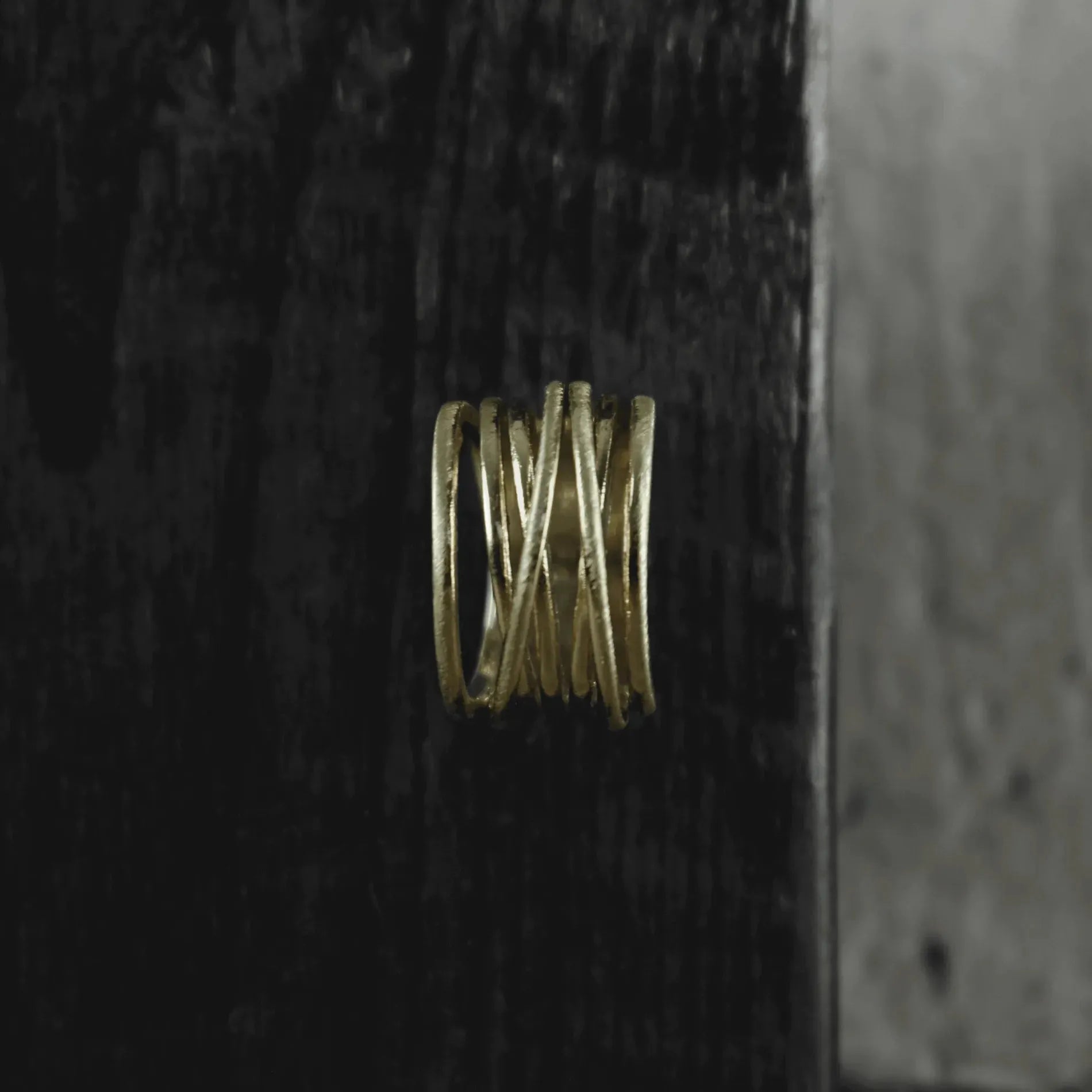
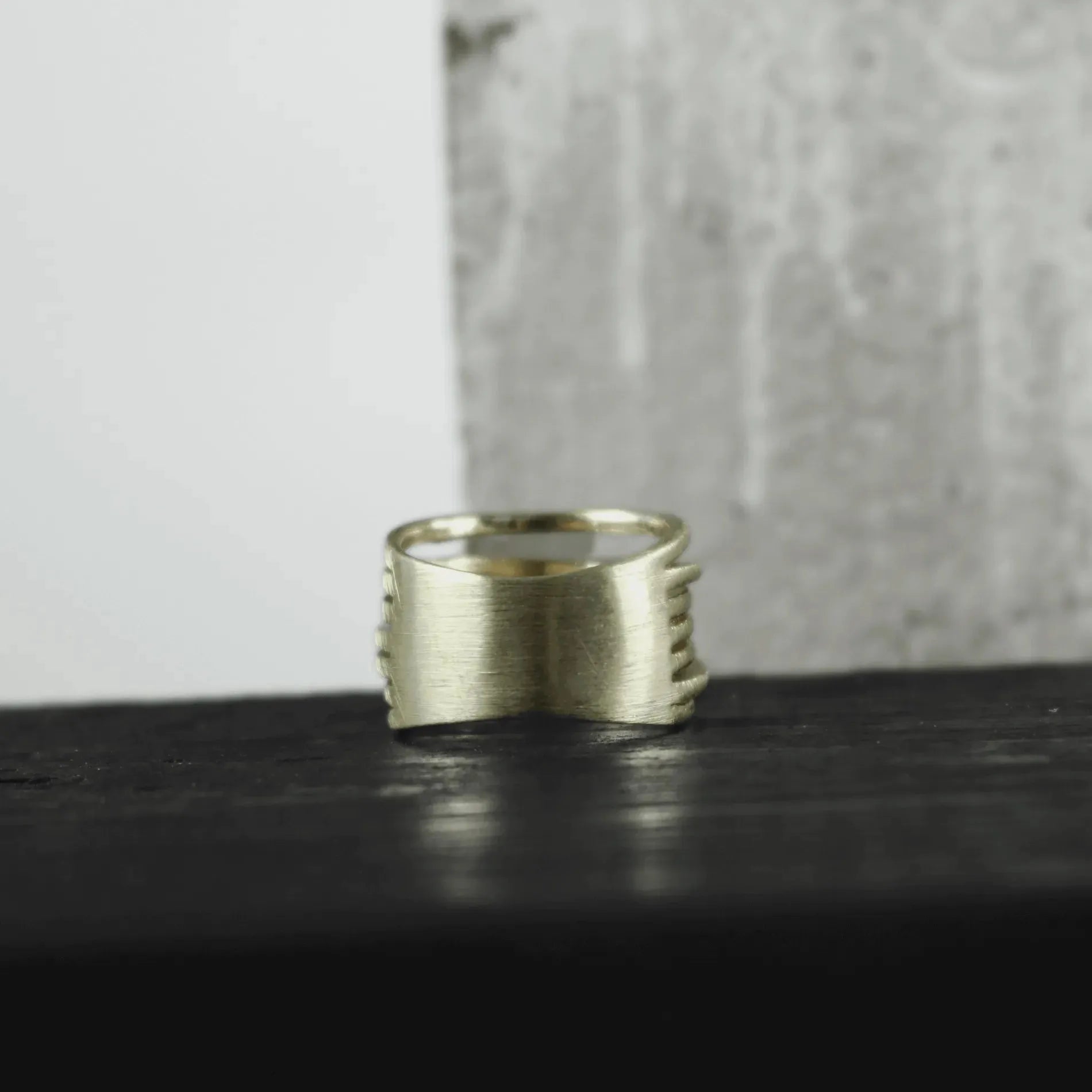
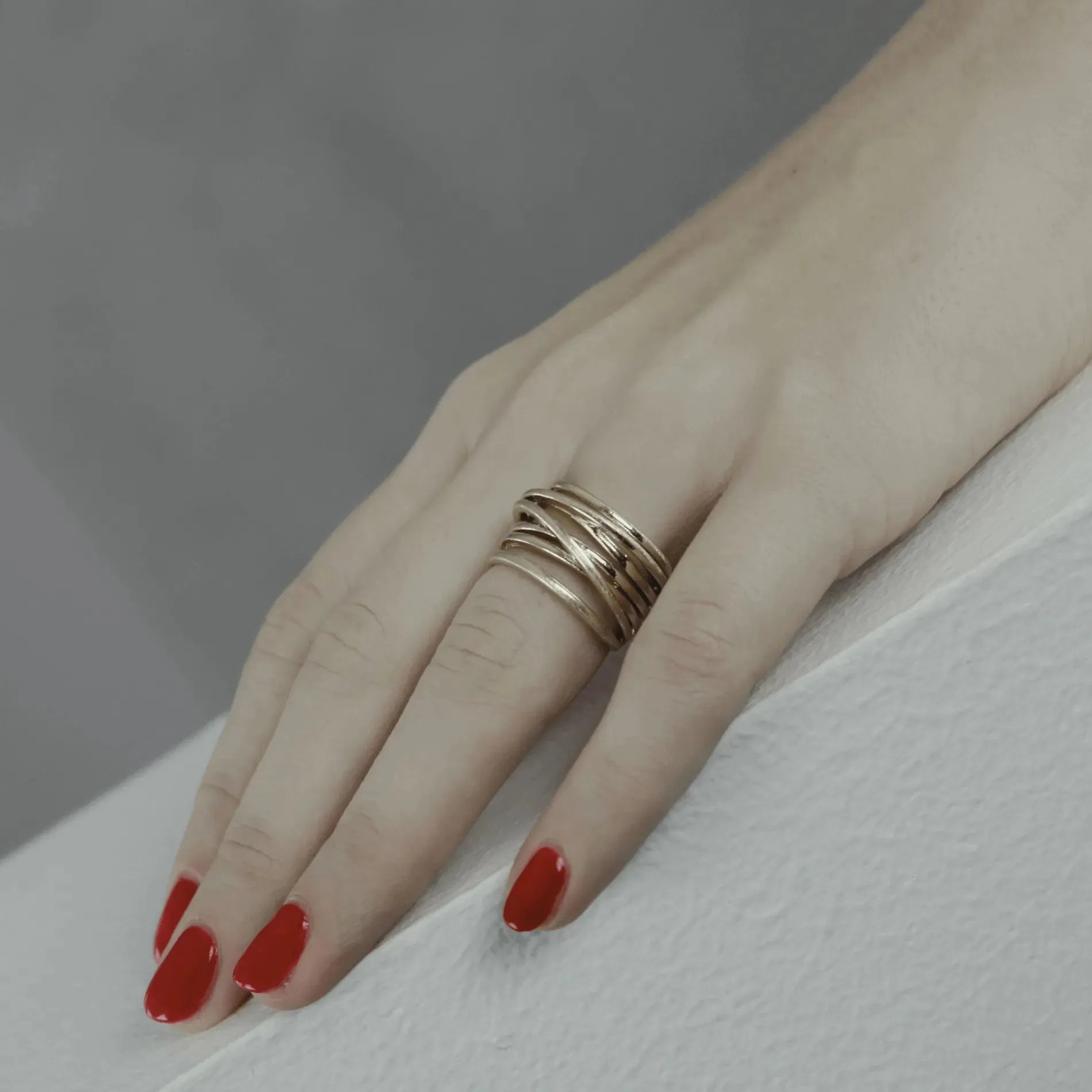


A little dullness can change the whole mood of a look. When your favourite hoops, chain, or ring loses its glow, it is usually not ruined — it just needs a gentler kind of care. If you have been wondering how to clean gold plated jewellery without damaging the finish, the good news is that the process is simple when you know what to avoid. Gold ION-plated pieces are made to bring impact, shine, and versatility to everyday styling — they let you layer, stack, and switch your mood with ease. But because the gold layer sits over a base metal, they need a softer approach than solid gold. The goal is not to scrub harder. It is to clean smarter.
How to clean gold plated jewellery at home
The safest way to clean gold ION-plated jewellery at home starts with lukewarm water, a small bowl, and a very mild soap — think gentle hand soap or a few drops of mild dish soap, not anything harsh, heavily fragranced, or packed with chemicals. Mix the soap into the water, then place your jewellery in the bowl for a minute or two. After that, use a soft microfibre cloth or a very soft cotton pad to wipe the surface. If there is build-up around closures, stone settings, or textured details, use a soft baby toothbrush with almost no pressure — the key word is light. Once the piece looks clean, rinse it quickly in clean lukewarm water and dry it immediately with a soft cloth. Do not leave it wet or let it air dry for too long, as moisture sitting on the surface can leave spots, especially on pieces with small crevices. If your jewellery still looks a little flat after cleaning, buff it very gently with a dry microfibre cloth — that soft final polish often brings back the shine you thought was gone.
What not to use on gold plated pieces
This is where many well-meant cleaning routines go wrong. Gold ION-plated jewellery is not the place for toothpaste, baking soda pastes, silver polish, jewellery dips, alcohol-heavy cleaners, or rough brushes — these can strip the plated layer, leave scratches, or create uneven fading. Ultrasonic cleaners are also risky: they can be fine for some solid metals, but for plated fashion jewellery they are usually too intense. The same goes for abrasive polishing cloths designed for tarnished silver. Skip hot water too — very warm or hot temperatures are not necessary for a simple clean and can affect adhesives in pieces with stones, pearls, or decorative details.
Why gold plated jewellery loses shine
Sometimes a piece is dirty. Sometimes the plating is simply starting to wear. Those are two different things. If your necklace looks cloudy because of lotion, sunscreen, body oil, or make-up, cleaning will usually help a lot. If your ring looks lighter on the underside or around the band, that is often friction wear rather than surface dirt — rings and bracelets show wear fastest because they rub against skin, desks, bags, and clothing all day. Sweat, humidity, perfume, and frequent contact with water all add up. Even a beautiful gold ION-plated finish will not stay exactly the same forever if worn daily. That does not mean it was poor quality — it means plated jewellery performs best when treated with a little intention.
How often should you clean gold plated jewellery?
You do not need to clean gold ION-plated jewellery after every wear — over-cleaning can create unnecessary friction. For pieces you wear often, a quick wipe with a dry soft cloth after taking them off is usually enough to remove oils and prevent build-up. A deeper clean is needed only when a piece starts to look dull, feels sticky, or has visible residue; for some people that may be every couple of weeks, for others much less. If you wear gold ION-plated earrings or necklaces for special occasions only, cleaning them before storing them away is more useful than cleaning them repeatedly during wear.
Special care for rings, earrings, necklaces, and bracelets
Not all jewellery lives the same life, so not all pieces need the same level of attention.
Rings usually need the most care — constantly exposed to handwashing, sanitiser, lotion, and friction. Take them off before washing your hands, cooking, cleaning, or working out to help the finish last longer. Earrings tend to stay brighter longer, but still collect hair product, skincare, and make-up — give the posts and backs a careful wipe, especially after a long day. Necklaces pick up body oil and perfume around the chain and clasp; if you love layering, make sure each chain is completely dry before putting it away. Bracelets move with you, brush against sleeves and surfaces, and often get splashed — a quick wipe after wear makes a real difference here.
Storage matters as much as cleaning
If you want your jewellery to stay luminous, storage is part of the care routine. Clean pieces should be stored in a dry place, ideally in separate soft pouches or compartments so they do not rub against each other — scratches and friction wear the plating faster, especially when several pieces are tossed into one box. Bathrooms are not ideal because steam and humidity linger; a bedroom drawer, lined jewellery case, or fabric pouch is a better choice. Store jewellery only when it is fully dry — even a little leftover moisture after cleaning can lead to spotting or dullness over time.
Everyday habits that protect the finish
The best answer to how to clean gold plated jewellery is often prevention — the less build-up and friction your pieces face, the less cleaning they need. Put jewellery on last, after perfume, hairspray, body lotion, and make-up. Take it off before showering, swimming, exercising, and sleeping. Chlorine, salt water, sweat, and even soft bedding friction all shorten the life of the plated layer. This does not mean saving every piece for a rare occasion — it just means wearing it with a little intention. For anyone who loves versatile, layered looks, rotating pieces instead of wearing the same ring or chain every single day reduces wear on your most-loved styles and keeps your collection feeling fresh.
When cleaning is not enough
If your piece still looks faded after a gentle clean, the plating may be wearing off rather than covered in residue — at that point, no home method will restore the original finish completely, and trying stronger products usually makes things worse. If the item is sentimental or a favourite you reach for constantly, professional replating may be worth considering. For trend-led fashion pieces, it may make more sense to replace or restyle — there is no wrong answer, it depends on the value of the piece and how attached you are to that exact style. At DANSK Copenhagen, gold ION-plated jewellery is designed to bring confidence and personality to the way you get dressed. A soft cloth, a little patience, and a gentler routine go further than any miracle cleaner — when you treat your jewellery like part of your personal expression, the shine lasts longer and the styling feels even better. Explore the full DANSK Copenhagen collection.