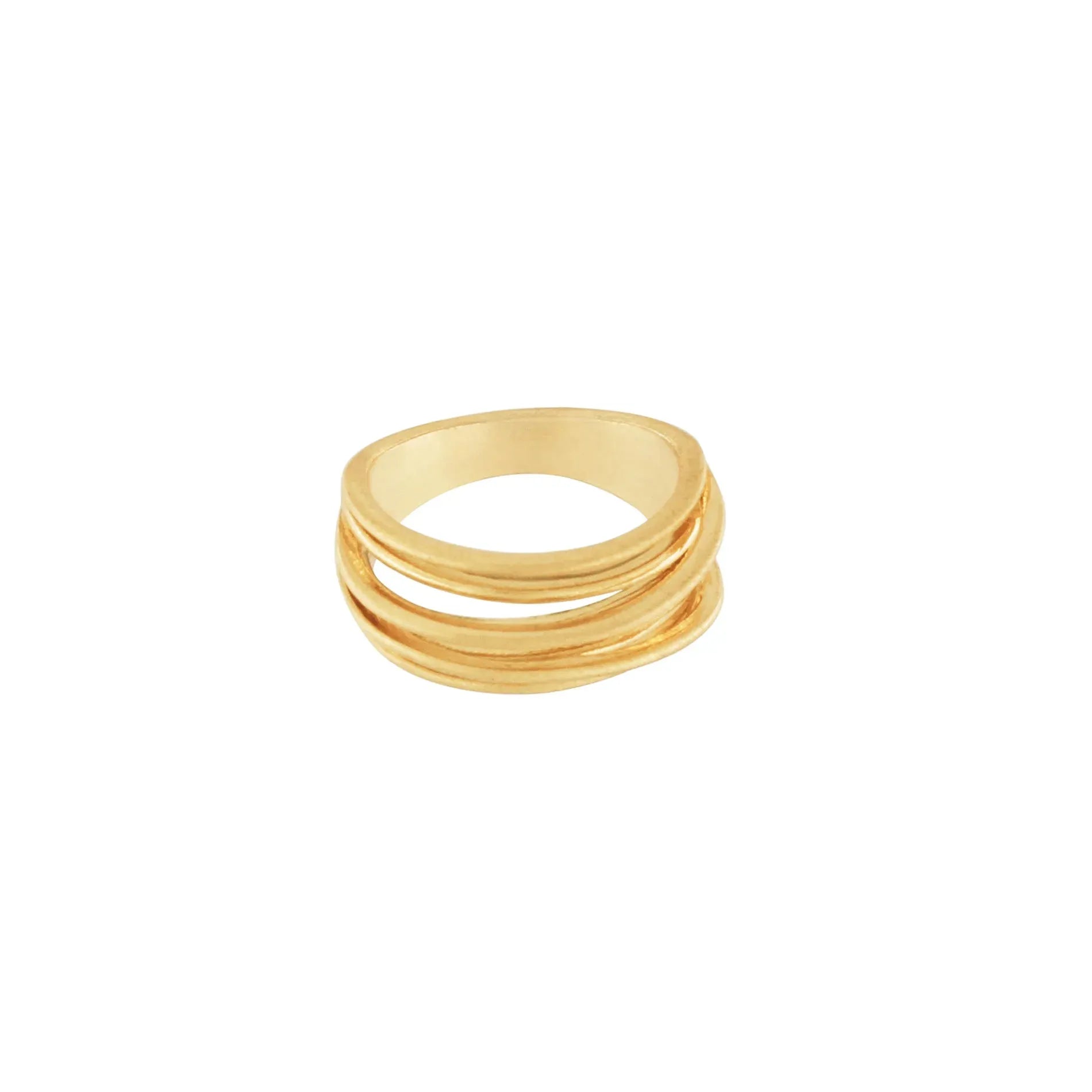
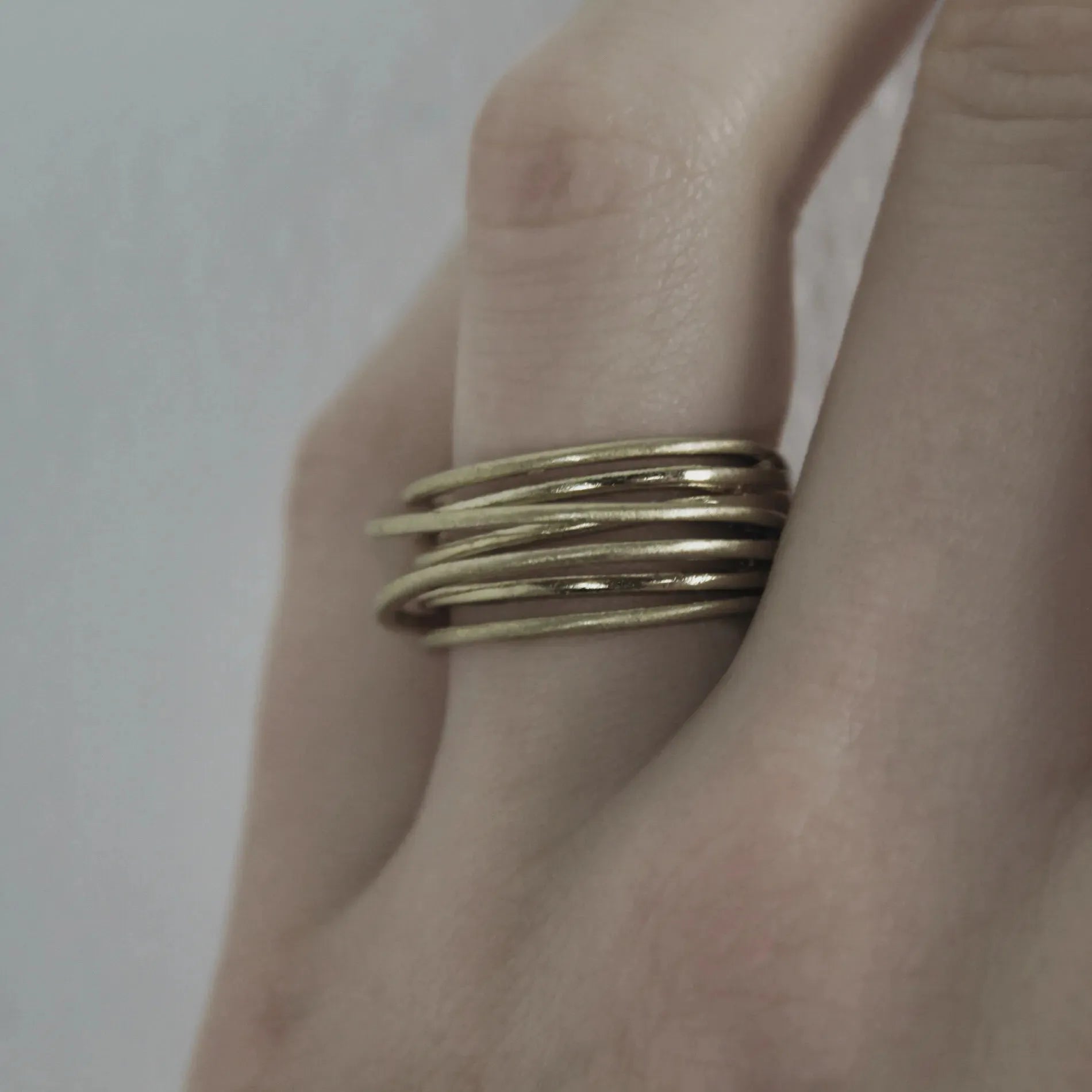
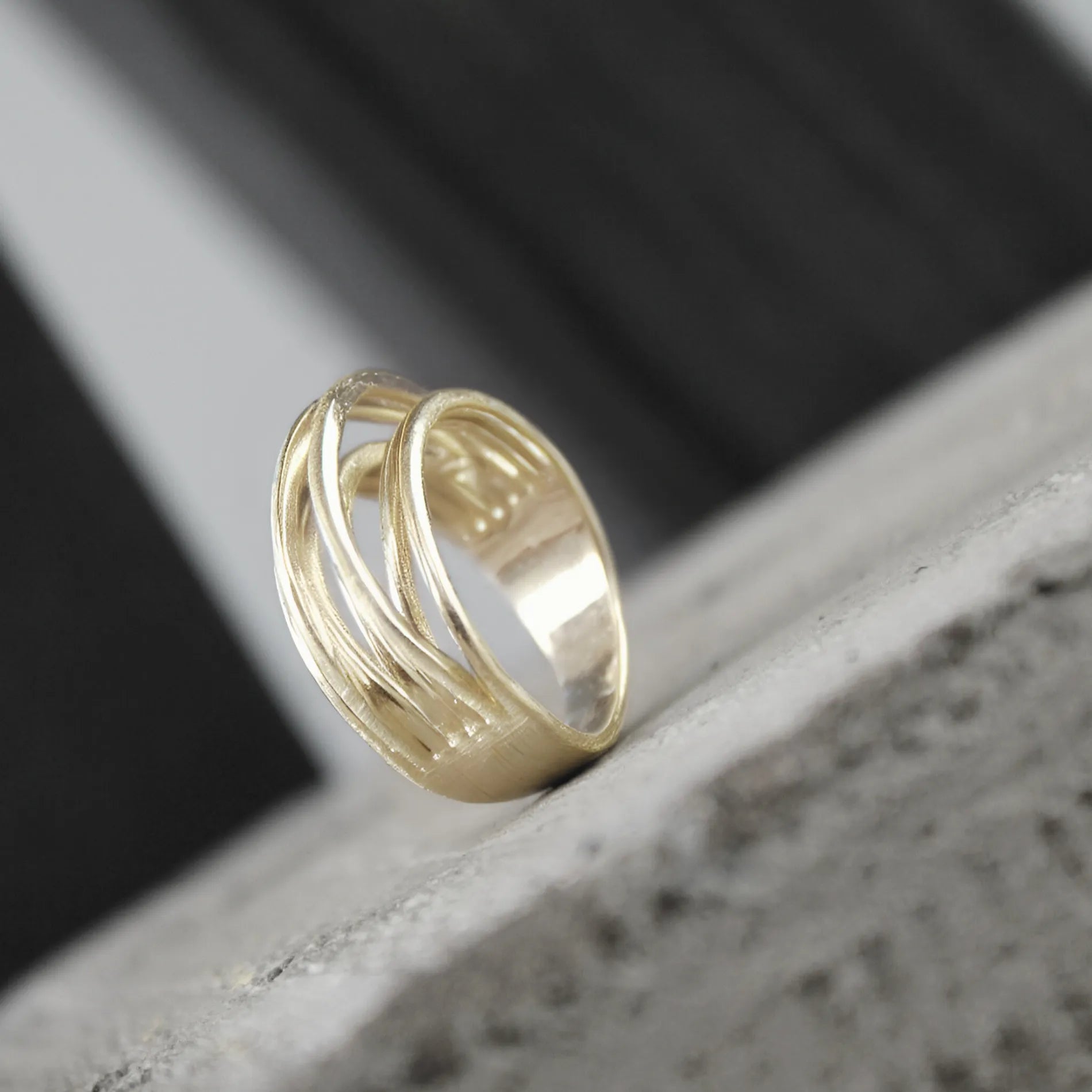
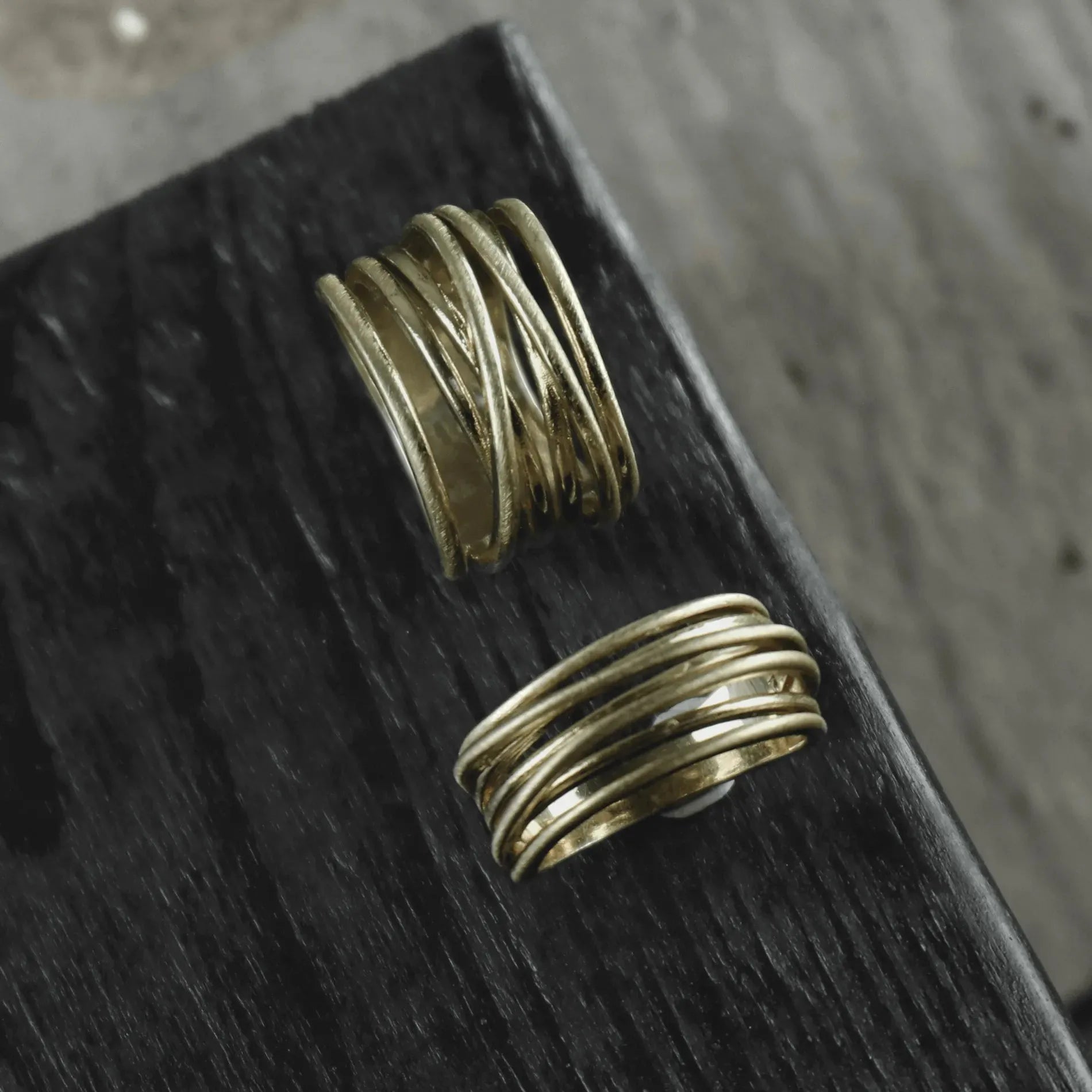
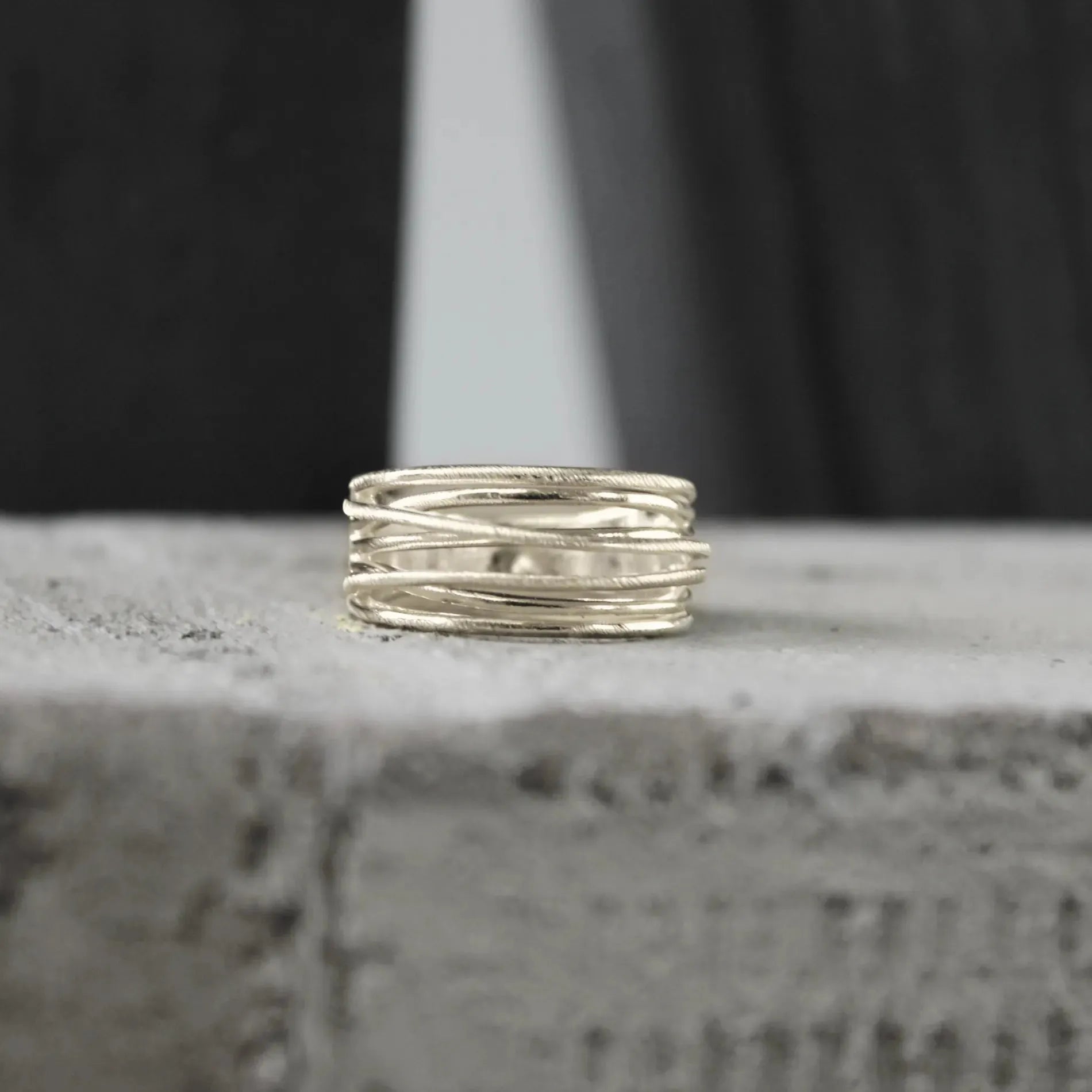
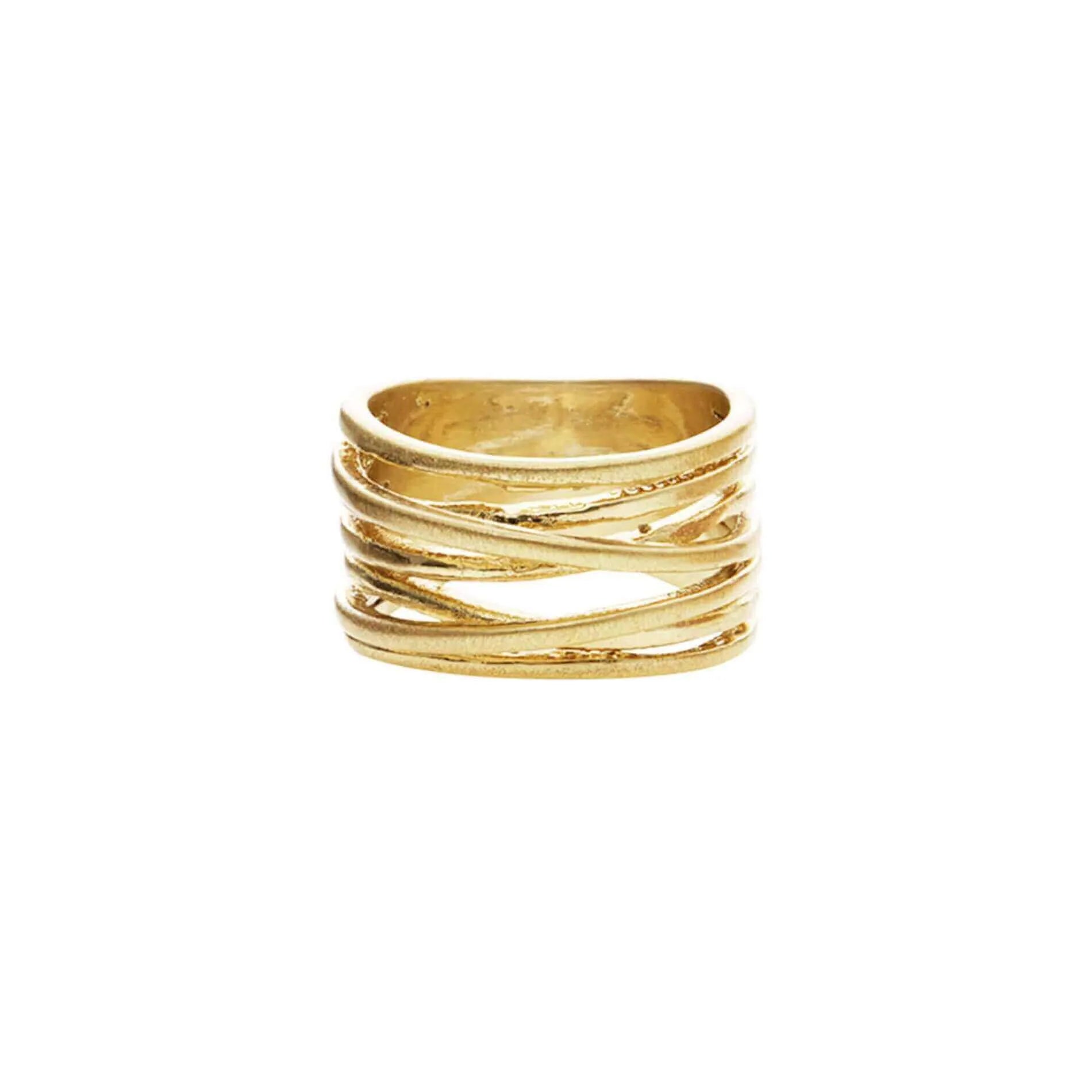
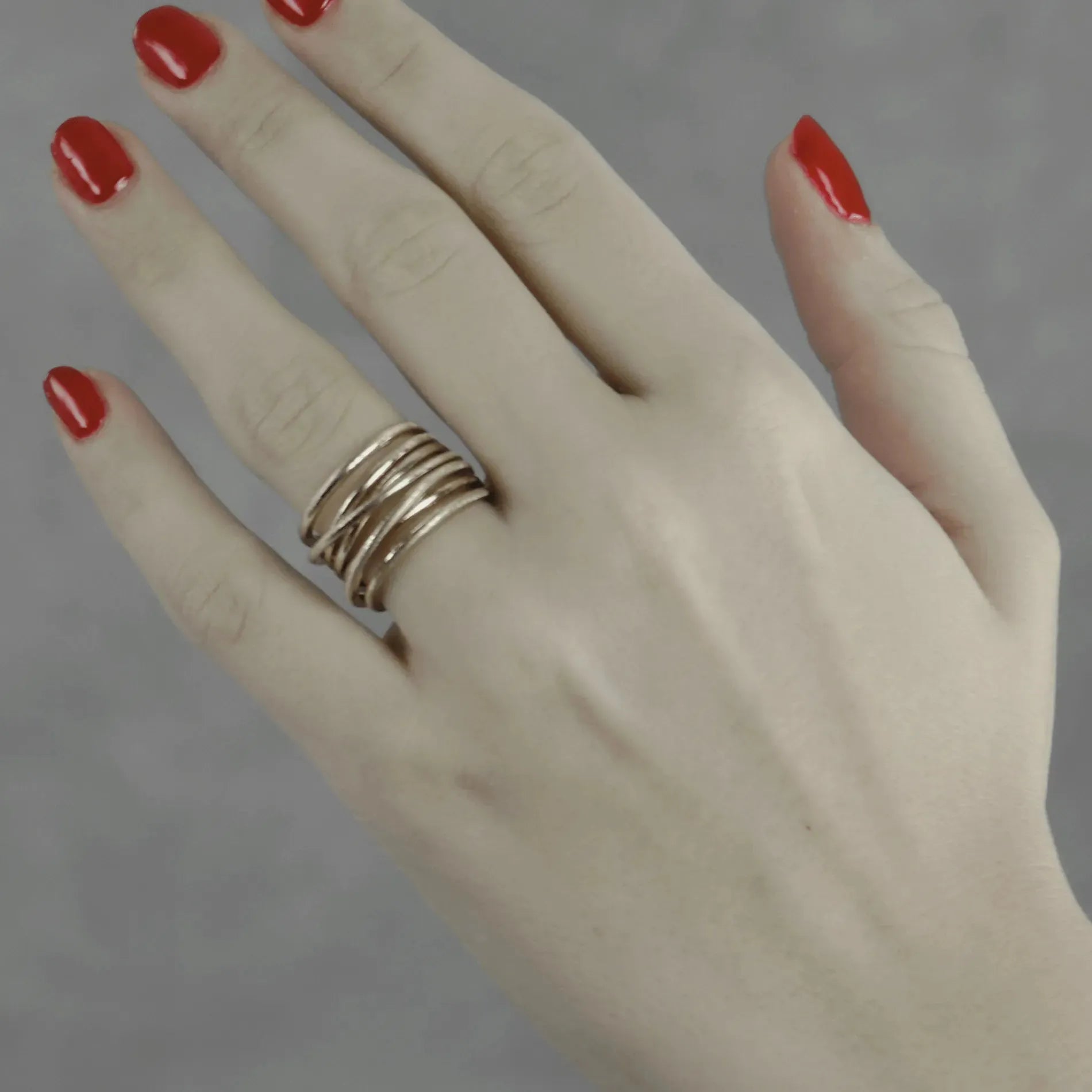
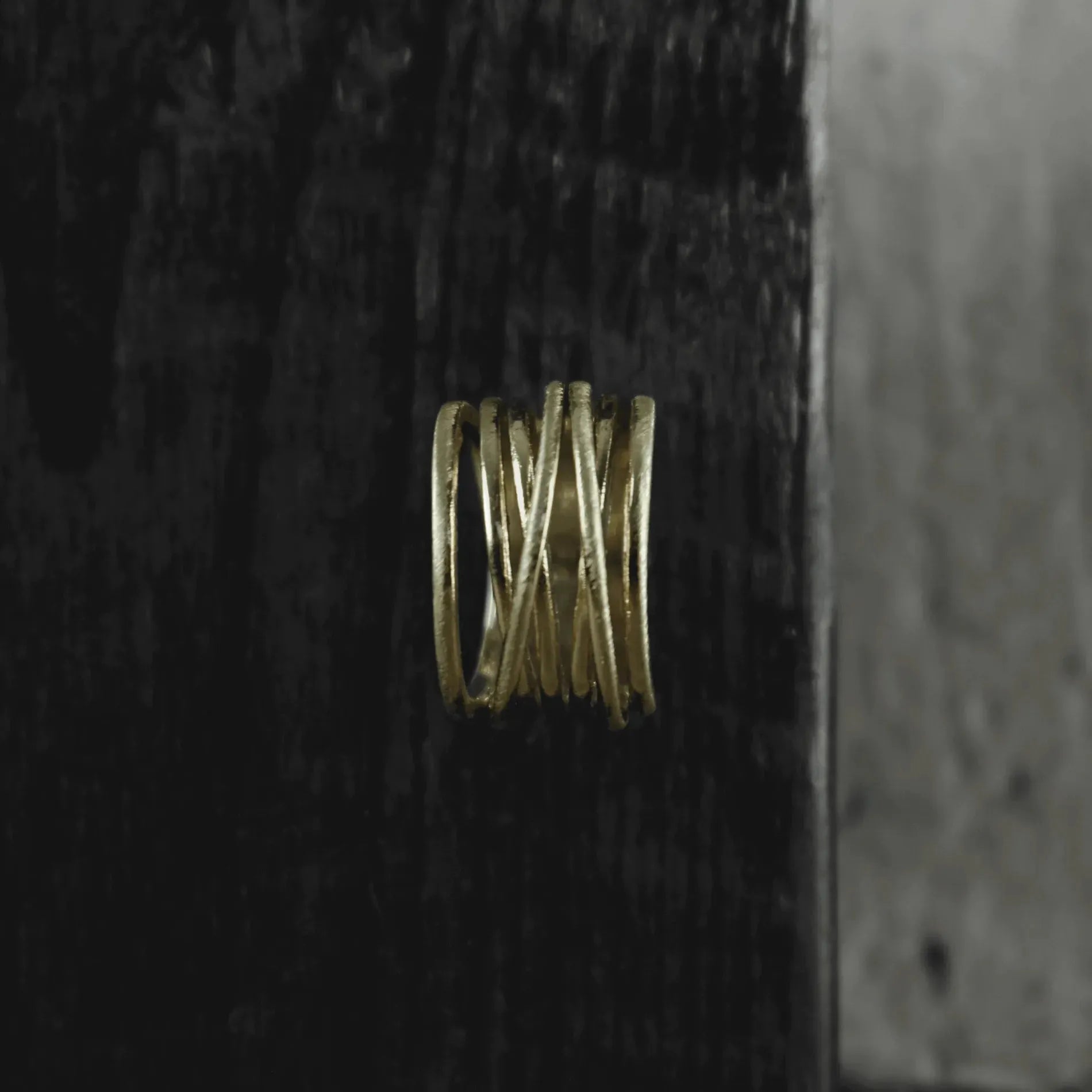
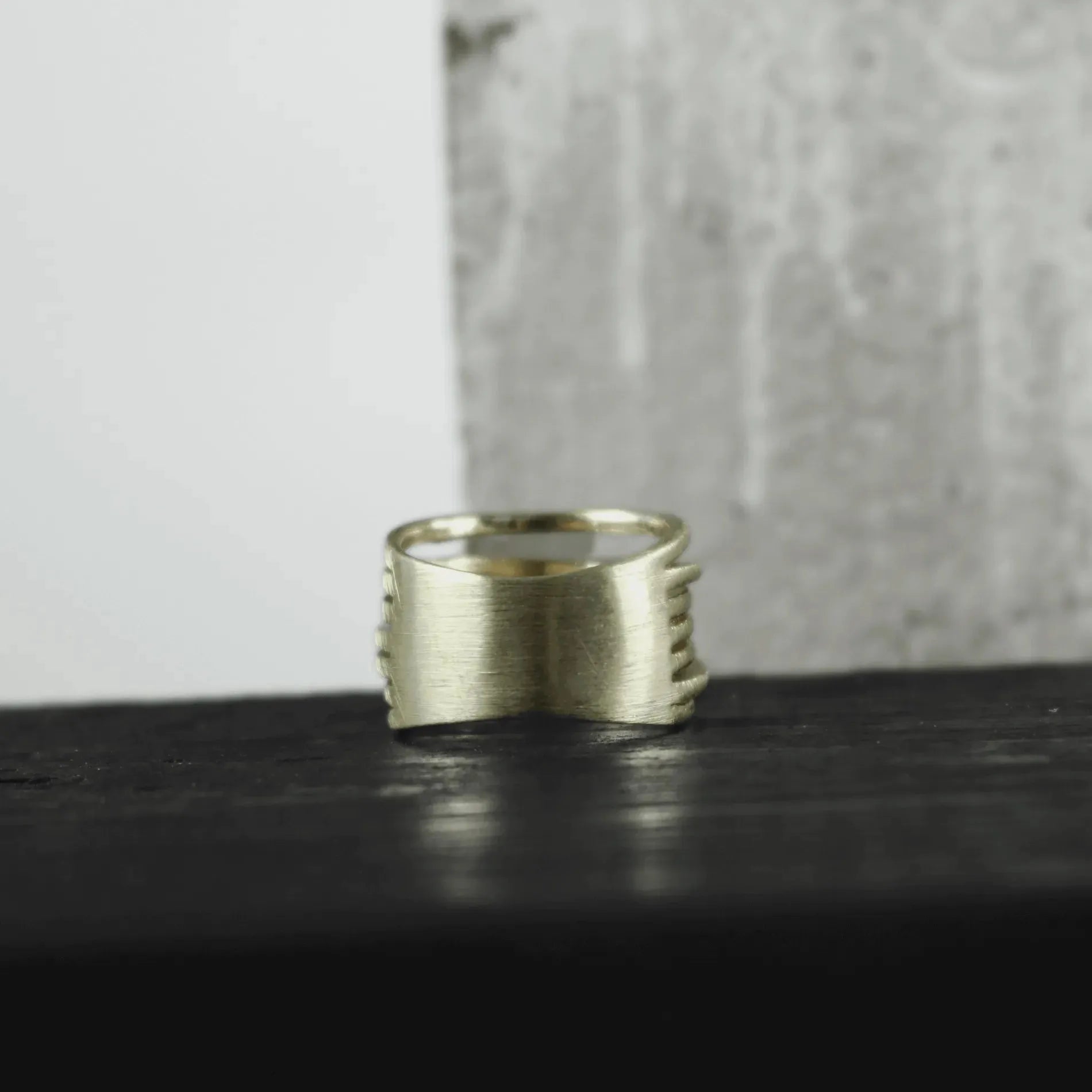
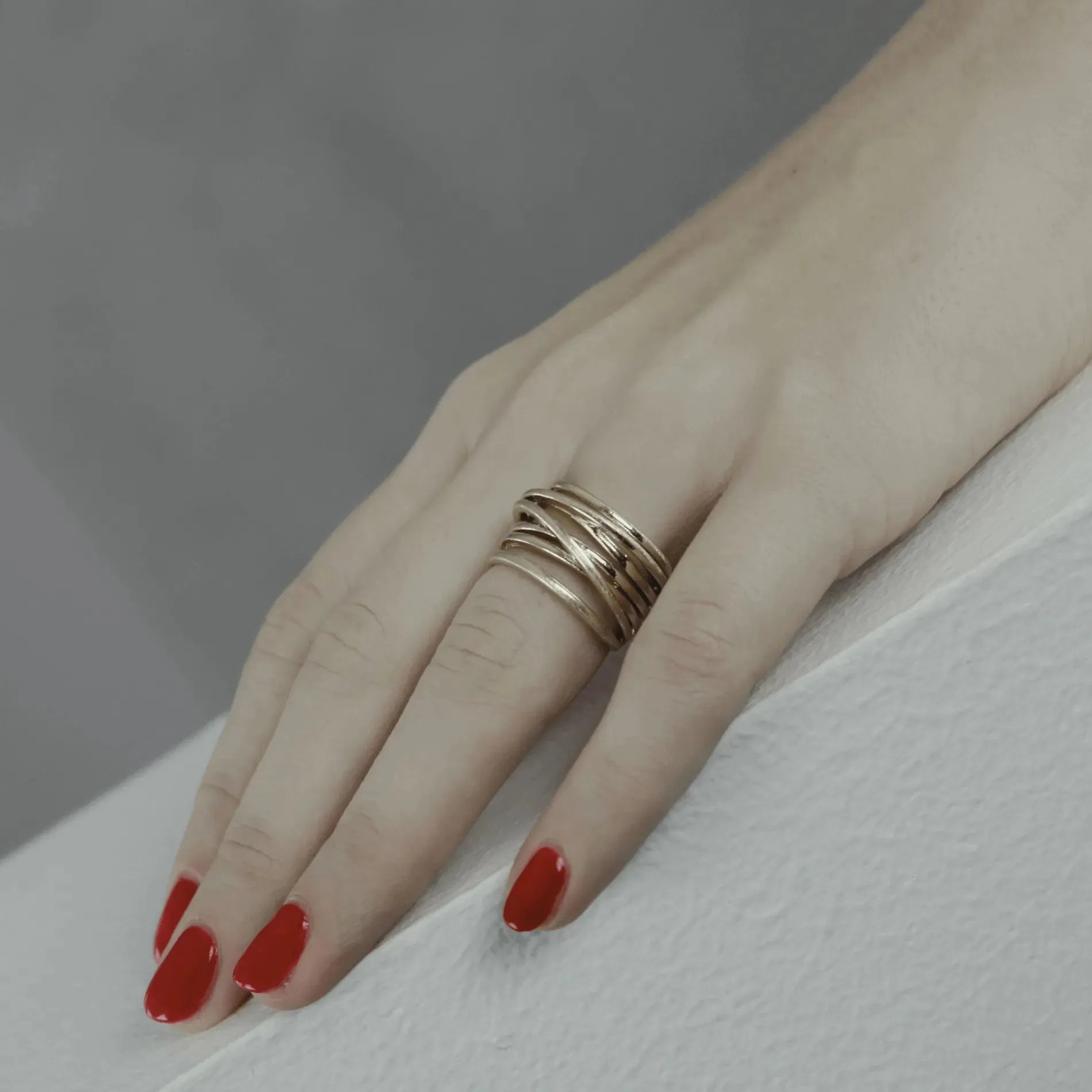


Din kunde tager en ring i hånden, prøver to halskæder og stiller det spørgsmål, der betyder mest: »Har I den her også i sølv?« Det øjeblik siger alt om, hvad et godt sortiment skal kunne. Det skal føles tidssvarende, være let at style og fleksibelt nok til at passe til forskellige stemninger, outfits og lejligheder. At vælge den rigtige grossist af modesmykker handler ikke kun om at fylde udstillingspladsen – det handler om at skabe en Kollektion, som dine kunder har lyst til at vende tilbage til.
For detailhandlere, butikker og onlineforhandlere sælger smykker hurtigt, når de imødekommer virkelige behov. Et modige par øreringe kan tilføre energi til et enkelt outfit. Et Vandfaste armbånd bliver en hverdagsfavorit. En allergivenlig halskæde giver kunderne selvtillid til at bære den igen og igen. Leverandøren bag disse smykker betyder mere, end mange virksomheder er klar over – for god engroshandel handler aldrig kun om produktet. Det handler om konsistens, brand-fit, fortjeneste og fremdrift.
Hvad en grossist af modesmykker egentlig bør levere
Ved første øjekast kan de fleste leverandører se ens ud – ringe, øreringe, halskæder og armbånd, med løfter om at følge trends og attraktive priser. Men når man ser nærmere efter, bliver forskellene tydelige. En stærk leverandør tilbyder mere end et katalog: de tilbyder et synspunkt. Det kan være en skandinavisk designidentitet, en lagdelt og bærbar stilretning eller kollektioner bygget op omkring specifikke kundestemninger og lejligheder. Når en leverandør har en klar æstetik, bliver indkøbet nemmere, og merchandisingen bliver stærkere. Dit sortiment føles kurateret i stedet for tilfældigt – og den følelse af sammenhæng skaber langt større kundetillid og gentagne køb, end en enkelt lav pris nogensinde vil kunne.
Stil passer bedre end mængde
En af de mest almindelige fejl ved indkøb er at vælge en leverandør udelukkende på baggrund af mængden. Flere valgmuligheder kan virke spændende, men for stor variation uden en klar retning skaber ofte et svagere salgsareal. Det bedre spørgsmål er, om leverandørens sortiment passer til den måde, dine kunder rent faktisk handler på. Hvis din målgruppe ønsker eksklusive hverdagsartikler, vil oversized statement smykker muligvis have begrænset tiltrækningskraft, medmindre de afbalanceres med smykker, der er nemme at bære essentials. Hvis dine kunder elsker at give gaver, er justerbare størrelser, klassiske finish og alsidige stilarter vigtigere end nyhedsværdi. Hvis de køber smykker som en del af en livsstilsgarderobe, vil de reagere positivt på smykker, som de kan kombinere, lagdele og blande på tværs af sæsoner.
De bedste leverandører forstår dette. Deres kollektioner er ikke kun trendbaserede — de er stilbaserede på en måde, der understøtter gentagen styling. Guld-ION-belagte hoops, sølvfarvede kæder, accenter af ferskvandsperler, detaljer i cubic zirconia og 316L rustfrit stål essentials imødekommer alle forskellige kundebehov. En god grossistpartner hjælper dig med at opfylde disse behov uden at miste din identitet.
Kollektioner sælger bedre end enkeltstående produkter
. Kunder køber sjældent shop smykker hver for sig — de sammensætter et look. Derfor fungerer Kollektion-baseret indkøb så godt inden for modesmykker. Når øreringe, ringe, halskæder og armbånd deler et visuelt sprog, bliver det lettere for kunderne at skabe deres egne kombinationer. En kunde kommer måske for at købe en enkelt halskæde, men hvis Kollektionen fortæller en klar historie, er det mere sandsynligt, at hun går derfra med et matchende øreringe eller et sæt ringe, der kan stables. En leverandør, der designer i serier frem for enkeltstående stykker, giver dig et stærkere kommercielt fundament.
Kvalitet er ikke valgfrit, selv ikke i overkommelige prisklasser
Modesmykker skal føles værd at bære igen og igen. Hvis belægning falmer for hurtigt, lukningerne føles spinkle, eller sten falder ud efter kort tids brug, forbliver problemet ikke hos leverandøren – det kommer tilbage til din butik. Når du vurderer en grossistleverandør af modesmykker, skal du være opmærksom på materialer og konstruktion. Hos DANSK Copenhagen er alle smykker fremstillet af 316L rustfrit stål – allergivenligt, korrosionsbestandigt og designet til daglig brug. Guldmodellerne er behandlet med ION belægning (PVD) for at sikre en varig, varm finish; sølvfarvede modeller har stålets naturlige farve, som hverken skaller af eller falmer. Vandfaste-modellerne bliver stadig vigtigere for kunder, der ønsker smykker, der kræver minimal vedligeholdelse og som de kan have på hele tiden.
Det hjælper også at se på, hvor tydeligt leverandøren kommunikerer detaljer om materialerne. God produktinformation gør salget nemmere – dit team kan besvare spørgsmål hurtigere, og din kunde ved, hvad hun køber. Den klarhed skaber tillid, især online, hvor det ikke er muligt at røre ved eller prøve smykkerne.
Pris og fortjeneste skal være i balance
Alle detailhandlere ønsker en sund fortjeneste, men den billigste enhedspris er ikke altid det klogeste køb. Billigere produkter kan medføre skjulte omkostninger i form af højere returprocenter, svagere afsætning eller utilfredse kunder. For mange forhandlere af modesmykker fungerer "tilgængelig luksus" bedst – kunderne ønsker smykker, der ser raffinerede ud, føles specielle og stadig passer ind i deres daglige indkøbsvaner. De køber måske én vare til sig selv og en anden som gave. En leverandør bør gøre denne værdi let at forstå: finish, emballage, designdetaljer og sortimentets bredde har alle indflydelse på, hvad kunderne er villige til at betale. En god fortjeneste starter med produkter, som folk ønsker, ikke blot produkter, man kan sætte en højere pris på.
Pålidelighed er lige så vigtig som design
Smukke smykker kan ikke understøtte din forretning, hvis varerne ankommer for sent, bestsellers er umulige at genbestille, eller kommunikationen er inkonsekvent. Engrosrelationer handler lige så meget om drift som om kreativitet. Inden du forpligter dig, bør du overveje, hvordan leverandøren håndterer genopfyldning af lager, leveringstider, minimumsordrer og sæsonbestemte kollektioner. Gode leverandører er også stærke partnere i vigtige perioder for detailhandlen – eksamenssæsonen, mors dag, julegaver og trendbaserede indkøbsperioder. Hvis de kan understøtte disse perioder med klare lanceringer, relevante kollektioner og pålidelige leveringsvinduer, bliver din planlægning langt stærkere.
Merchandising-støtte kan øge afsætningen
Nogle leverandører nøjes med at sende varerne afsted. De bedste forstår, at præsentationen er afgørende for salget. Produktnavne, Kollektion-historier, fremhævning af egenskaber og stylingvejledning gør det alt sammen lettere at sælge smykker. En kollektion bygget op omkring idéer som joy, mod eller individualitet giver detailhandlere mere at arbejde med end blot en liste over varenumre – den skaber en følelsesmæssig kontekst. Kunder køber ikke bare et armbånd; de køber en følelse, en gavebesked eller et lille udtryk for sig selv. For butikker, der betjener kunder, der ønsker, at smykker skal føles personlige og bærbare, får dette følelsesmæssige lag produktudstillingerne til at virke nøje udvalgt og hjælper onlinekunder med at føle sig hurtigere tilknyttet.
Trendspørgsmålet: følge eller filtrere?
Alle detailhandlere ønsker fornyelse, men at jagte hver eneste trend fører som regel til inkonsekvens. De klogeste leverandører oversvømmer ikke blot deres sortiment med det nyeste – de omsætter trends til smykker, der kan bæres, og som giver mening for virkelige kunder. Det kan betyde at opdatere en klassiker hoop med en skulpturel silhuet, at introducere detaljer med ferskvandsperler i en renere form eller at tilbyde statement øreringe, der stadig føles lette og afbalancerede. Trendrelevansen skal tiltrække kunderne, mens bærbarheden sikrer, at de forbliver tilfredse efter købet. En leverandør med et raffineret designperspektiv hjælper dig med at holde dig ajour uden at blive forbigående.
Spørgsmål, der er værd at stille, før du køber
En leverandør behøver ikke at være perfekt i alle kategorier, men de bør være stærke dér, hvor din virksomhed har mest brug for støtte. Spørg, hvordan de definerer deres bestsellers. Spørg, hvilke materialer der skaber gentagne salg. Spørg, hvor ofte der introduceres nye varer, og om de vigtigste modeller forbliver tilgængelige til genopfyldning. Det er også værd at spørge, hvem deres produkt er designet til – hvis leverandøren ikke klart kan beskrive slutkunden, mangler sortimentet muligvis fokus. Hvis de forstår hendes livsstil, stylingvaner, gaveadfærd og behov for komfort, afspejles det som regel i selve produktet.
Valg med henblik på langsigtet brandvækst
Et godt grossistforhold skal skærpe din detailidentitet, ikke udvande den. Den rigtige leverandør hjælper dig med at opbygge et smykkesortiment, der føles aktuelt, sammenhængende og kommercielt stærkt – hvilket giver din kunde selvtillid til at kombinere, give gaver, eksperimentere og vende tilbage efter mere. Se ud over produktkataloget: Vær opmærksom på stilistisk konsistens, materialernes troværdighed, den følelsesmæssige appel og forretningsmæssig pålidelighed. Den leverandør, du vælger, skal få dit sortiment til at afspejle dit brand, når det er bedst.
Når smykker vælges med omtanke, gør de mere end blot at fuldende et outfit – de giver din kunde endnu en måde at vise, hvem hun er. Er du klar til at udforske DANSK Copenhagen-engrosudvalget? Find ud af, hvorfor detailhandlere vælger at samarbejde med os, eller lær, hvordan du bliver forhandler.