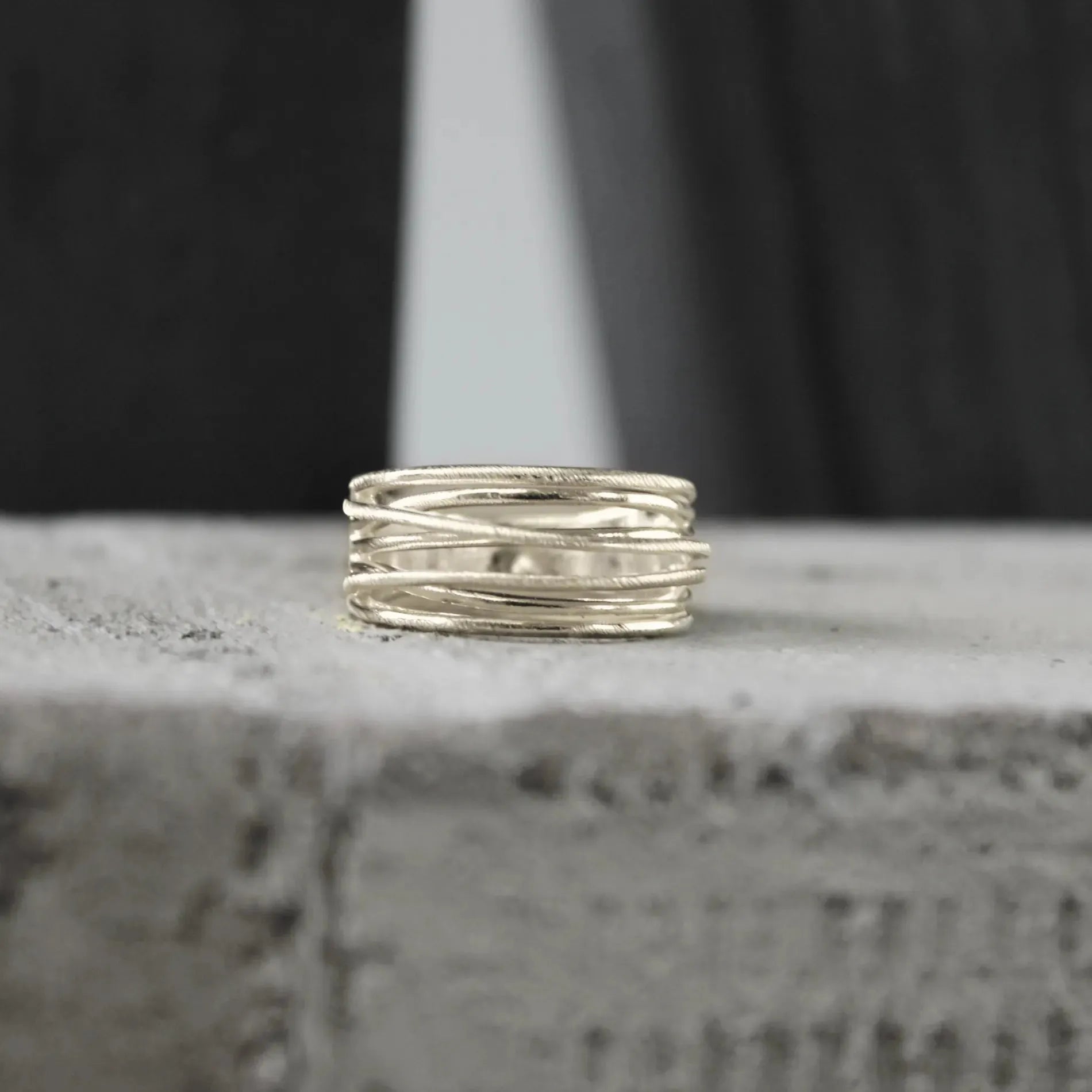
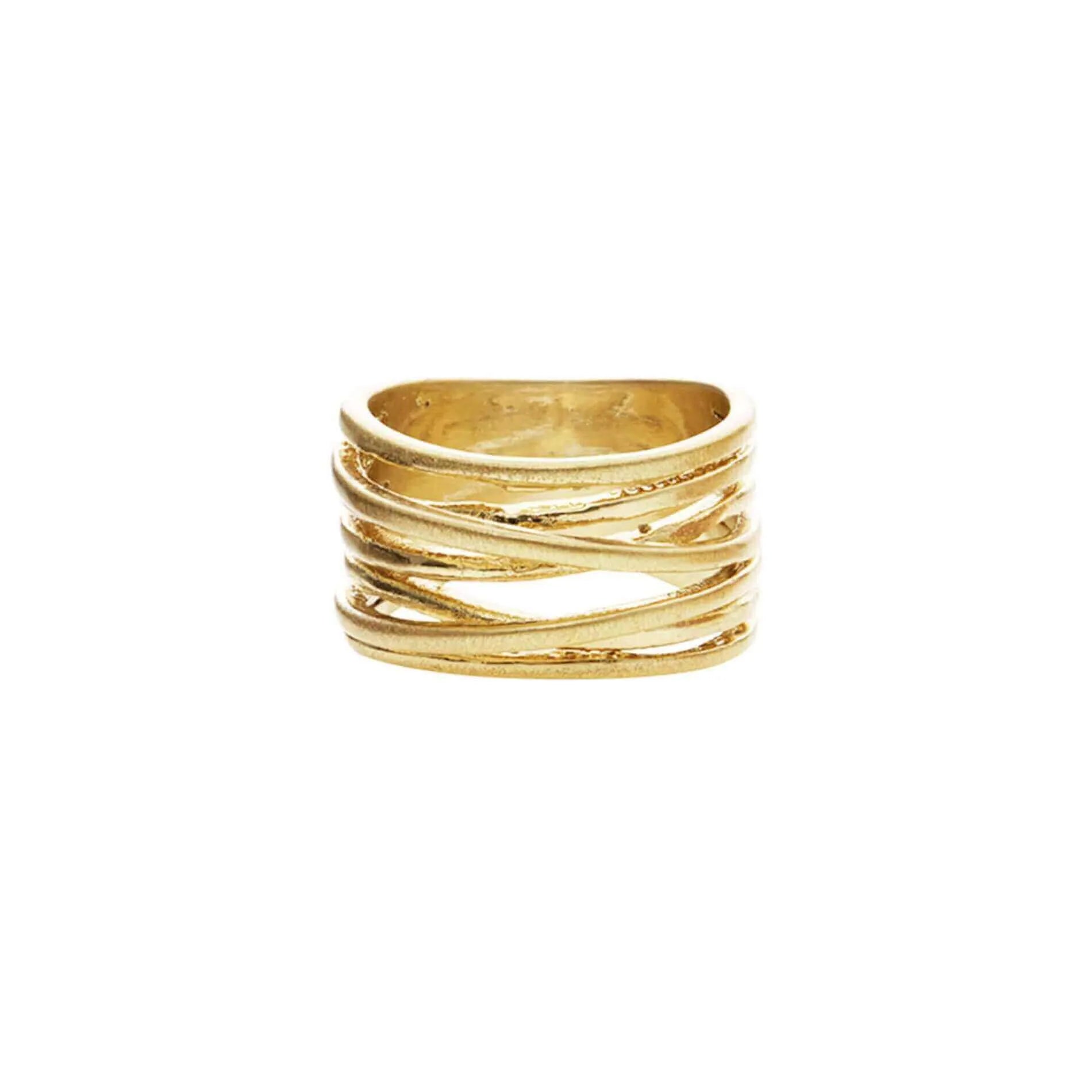
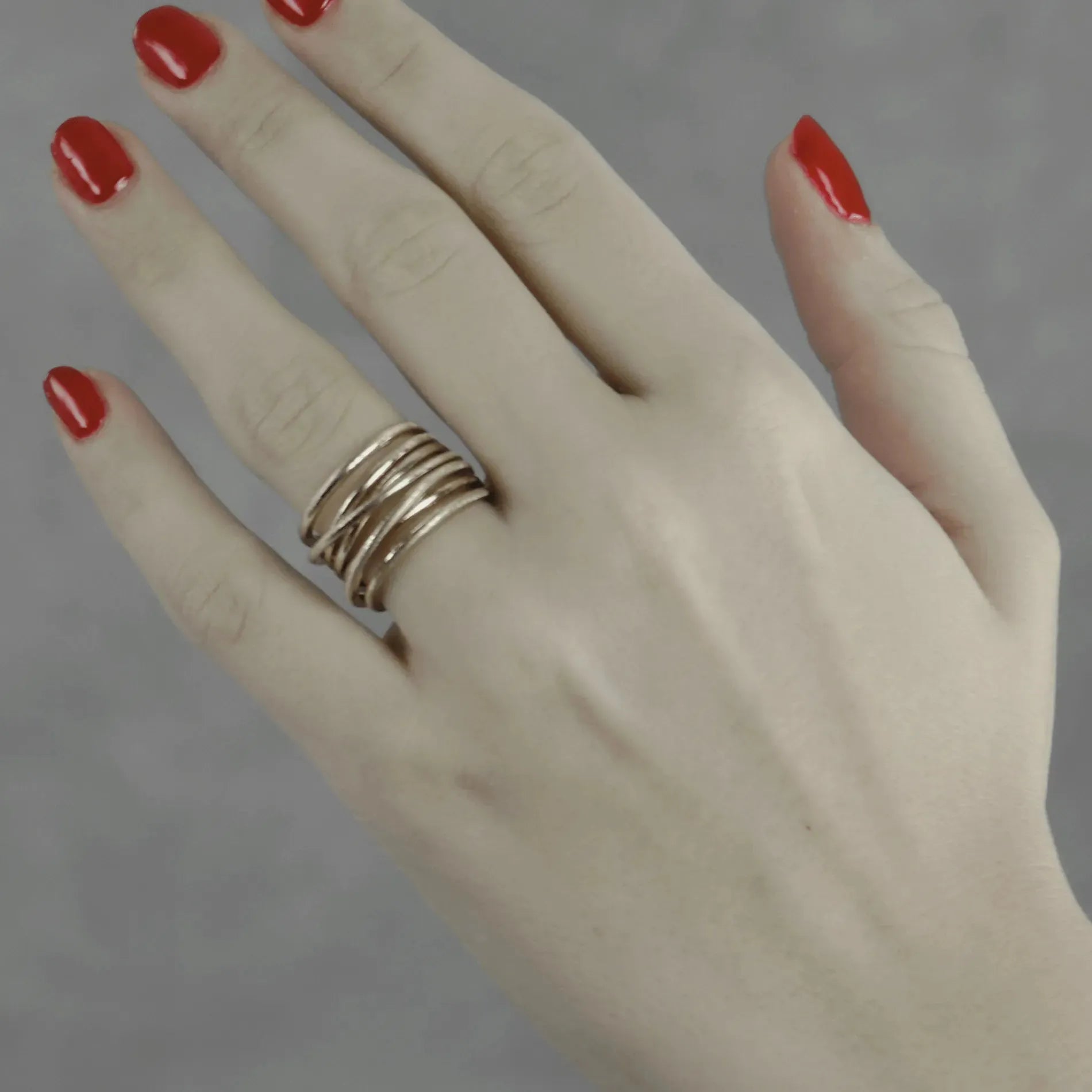
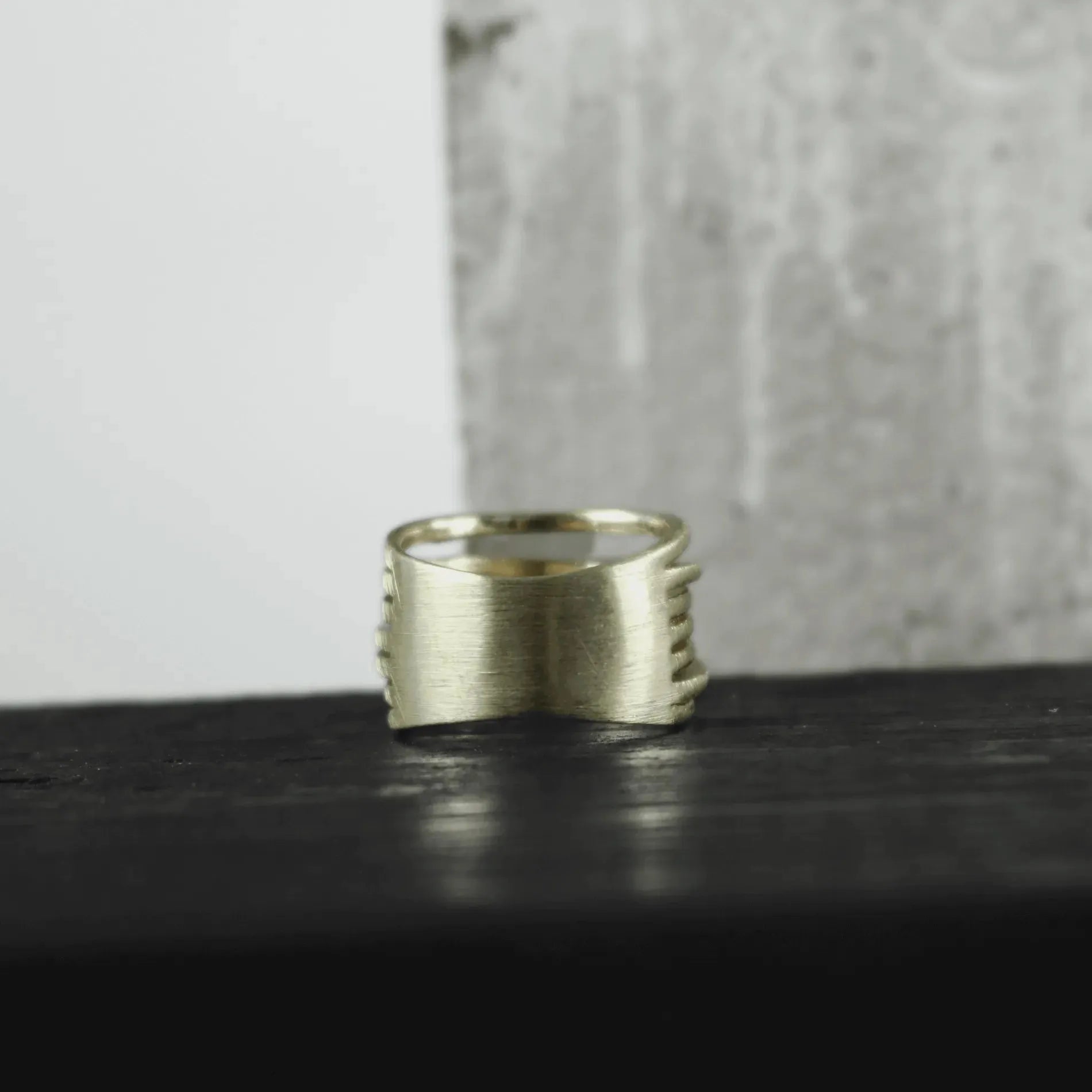
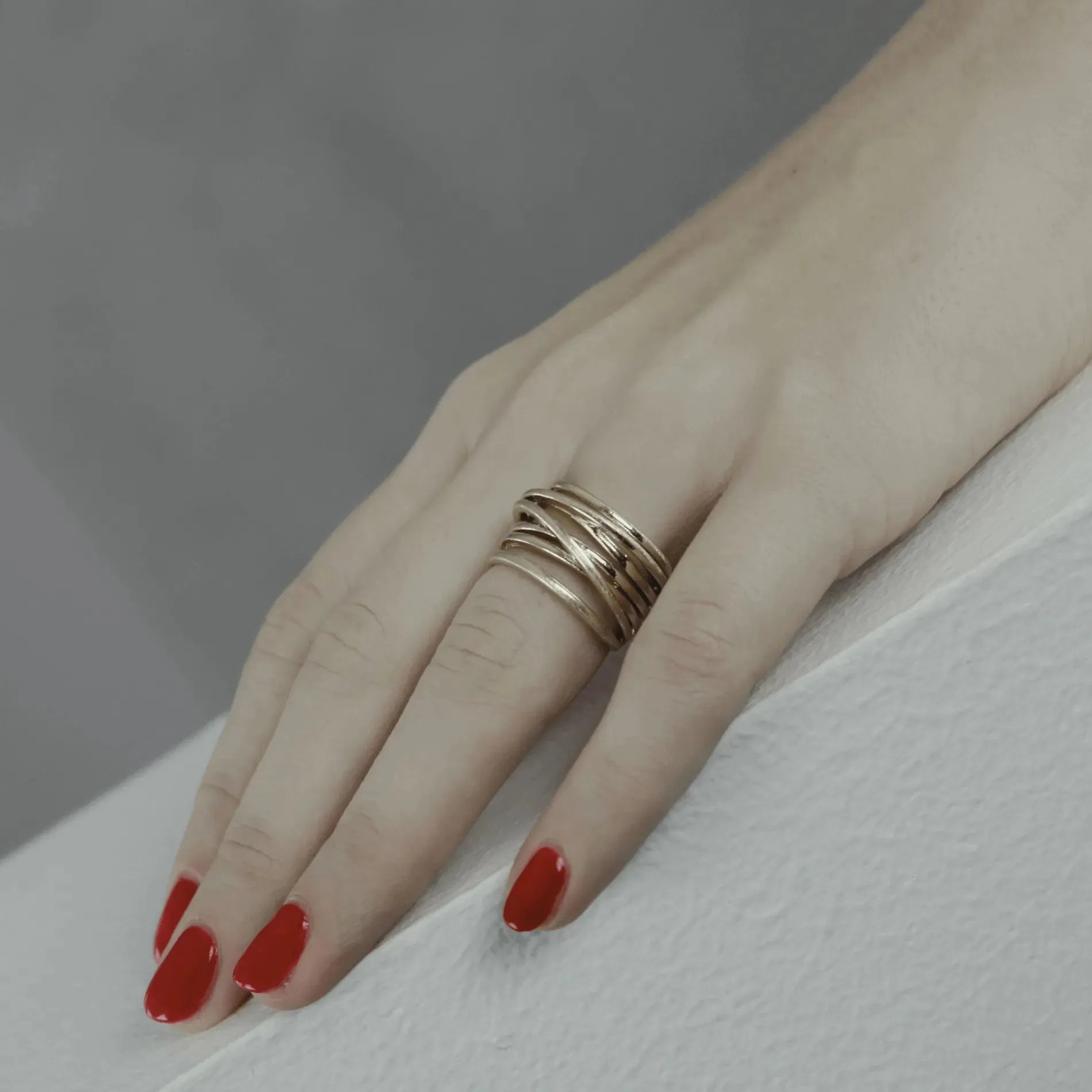


Du er halvvejs til stranden, har allerede badetøjet på, og pludselig står du over for det spørgsmål, som alle smykkeglade før eller senere stiller sig selv — hvilke smykker kan man have på i vandet uden at fortryde det senere? Det korte svar er, at nogle materialer er beregnet til hverdagsbrug, mens andre bedst holdes på tørt land. Hvis du vil have smykker, der kan følge med i din hverdag, er materialet vigtigere end moden.
Hvilke smykker kan du have på i vandet uden at de tager skade?
De bedste smykker til vand er lavet af materialer, der modstår rust, anløb, falmning og slid på overfladen. Inden for modesmykker er 316L rustfrit stål normalt det bedste valg til daglig kontakt med vand – det er holdbart, korrosionsbestandigt og et smart valg til følsom hud. Massivt guld kan også klare vand godt, afhængigt af renheden, mens platin er naturligt holdbart. Det, der forvirrer folk, er, at »vandsikkert« ikke altid betyder »bekymringsfrit for evigt«. Ferskvand, saltvand, klor, sæbe, shampoo, solcreme og sved påvirker alle smykker forskelligt – så det egentlige spørgsmål er ikke blot, om smykkerne kan blive våde, men hvor ofte, i hvilken slags vand, og hvordan du forventer, at de vil se ud med tiden.
De materialer, der klarer sig bedst i vand
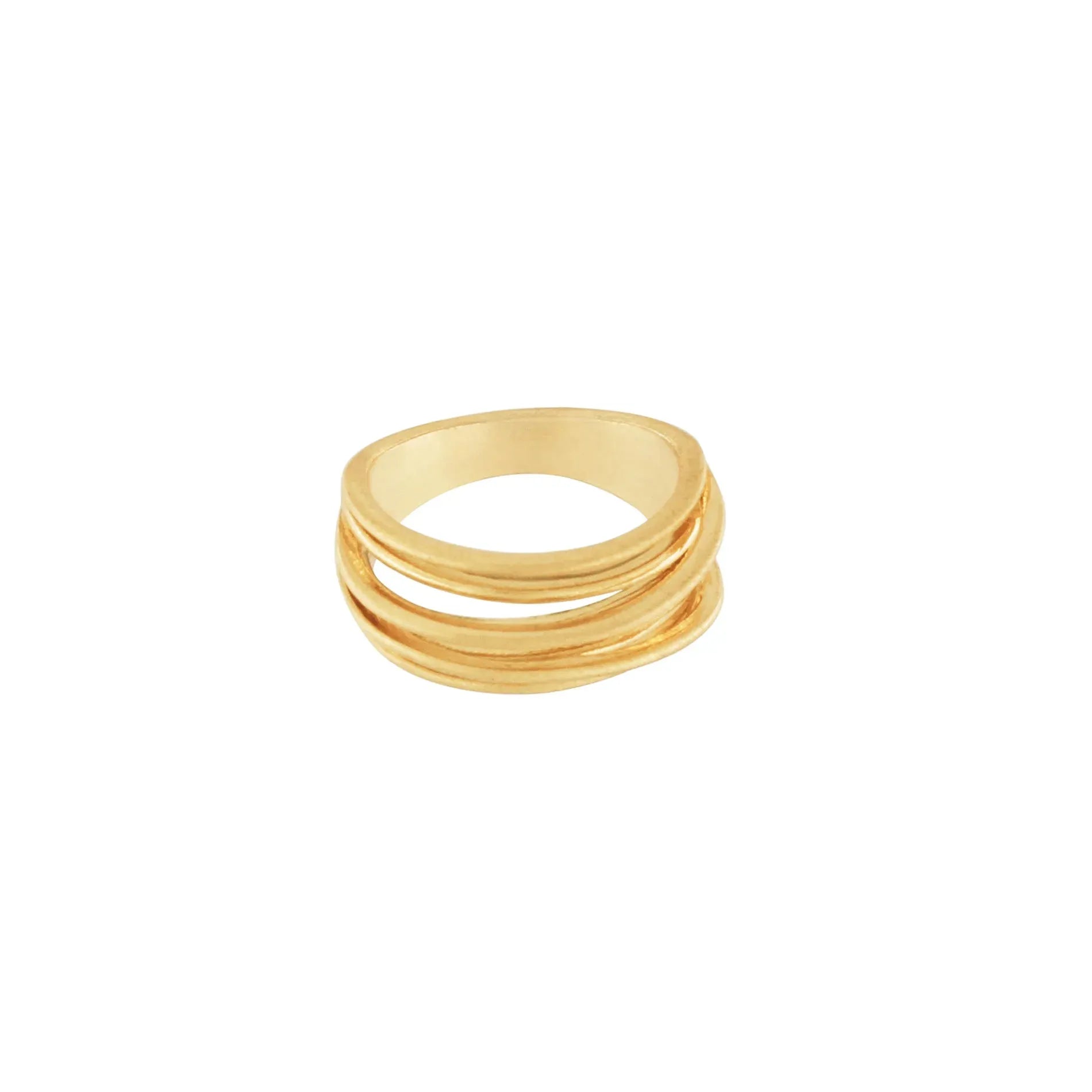
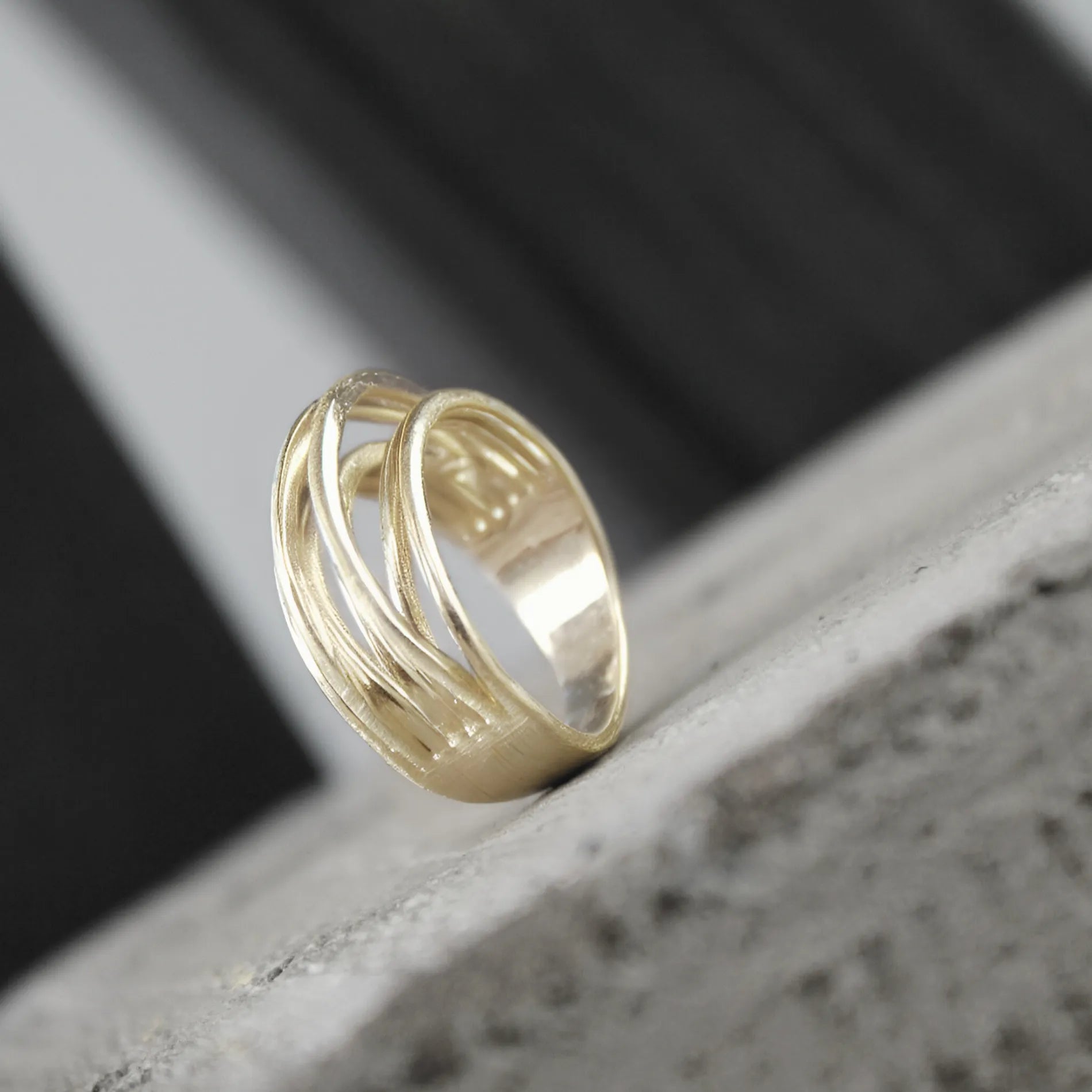
Hvis du elsker smykker, der passer til hele din dag – fra morgenkaffen til en svømmetur i sidste øjeblik – er 316L rustfrit stål et af de mest pålidelige valg. Hos DANSK Copenhagen er det grundlaget for hvert eneste smykke i Kollektionen: stærkt, korrosionsbestandigt og allergivenligt. Guldmodellerne er behandlet med ION belægning (PVD), som binder farven mere holdbart end traditionel galvanisering og bevarer sin varme finish selv efter gentagen brug. Sølvfarvede modeller har den naturlige farve fra selve 316L-stålet – solidt helt ind til kernen, uden risiko for afskalning eller falmning. Det gør begge overflader særdeles velegnede til daglig kontakt med vand, uden at du behøver at tage dem af hele tiden.
Massivt guld kan også bæres i vand, især lavere karat som 10K og 14K, der er blandet med stærkere legeringer. Platin er et andet fremragende valg, selvom det ligger i en anden prisklasse. For de fleste modebevidste kunder tilbyder Vandfaste 316L rustfrit stål den bedste balance mellem stil, praktisk anvendelighed og pris.
Hvilke smykker bør holdes væk fra vand?
Almindelige galvaniserede smykker kræver større forsigtighed. Disse smykker er elskede for deres tilgængelige udseende og trendbaserede finish, men belægning er et overfladelag — gentagen udsættelse for vand, sæbe og kemikalier kan slide det hurtigere ned, hvilket med tiden kan føre til falmning, misfarvning eller ujævne pletter. Regelmæssig svømning eller brusebad kan forkorte deres levetid, så hvis du bærer galvaniserede smykker til særlige lejligheder eller for at skabe et stilfuldt look, er det en god idé at tage dem af, før du går i vandet.
Ferskvandsperler kræver også ekstra pleje. De er smukke og tidløse, men de er organic ædelstene, ikke hårde metaller – og det er kemikalier, sæbe, syre og hårdhændet håndtering, der kan svække deres glans. Perler bør være prikken over i'et efter din skønhedsrutine, ikke noget, du tager på i svømmehallen. Smykker med limede sten eller delikate indfatninger af blandede materialer kan også være risikable: Zirkonia i sig selv er generelt fint, men hvis stenene er limet fast i stedet for at være sikkert indfattet, kan gentagen udsættelse løsne limen.
Brusebad, svømmehal, hav og sved — ikke alt vand er det samme
Brusevand kan virke harmløst, men shampoo, balsam, bodyshampoo og barberingsprodukter kan med tiden efterlade rester på smykkerne, hvilket sløver glansen og får smykkerne til at se mindre skinnende ud. Svømmebassiner er hårdere ved smykkerne – klor er hårdt ved mange metaller og overfladebehandlinger, især forgyldte smykker, og kan fremskynde falmning og svække delikate komponenter. Saltvand kan efterlade aflejringer, udtørre visse materialer og bidrage til slid på overfladen, hvis smykkerne ikke skylles af bagefter; svømning i havet er særligt risikabelt for forgyldte smykker og alt, der er delikat eller har affektionsværdi. Sved spiller også en rolle, især om sommeren eller under træning – hvis du vil have smykker, du virkelig kan leve med, er Vandfaste-modeller det bedste valg.
Sådan kan du se, om et smykke virkelig er Vandfaste
Hvis du handler med tanke på hverdagsbrug, skal du se ud over overfladebehandlingen og fokusere på grundmaterialet. Udtryk som Vandfaste, vandtæt og rustfrit stål er nyttige, men de bør bakkes op af klare oplysninger om materialet. Et mærke, der forklarer, hvad et smykke er lavet af, giver dig et meget bedre indblik end et, der kun beskriver udseendet. Det hjælper også at have realistiske forventninger til, hvad Vandfaste betyder inden for modesmykker – et ægte Vandfaste-smykke bør klare håndvask, regn, brusebad og lejlighedsvis svømning bedre end traditionelle forgyldte smykker, men selv da sikrer korrekt pleje, at det forbliver poleret længere.
Hvilke smykker kan du bære i vand hver dag?
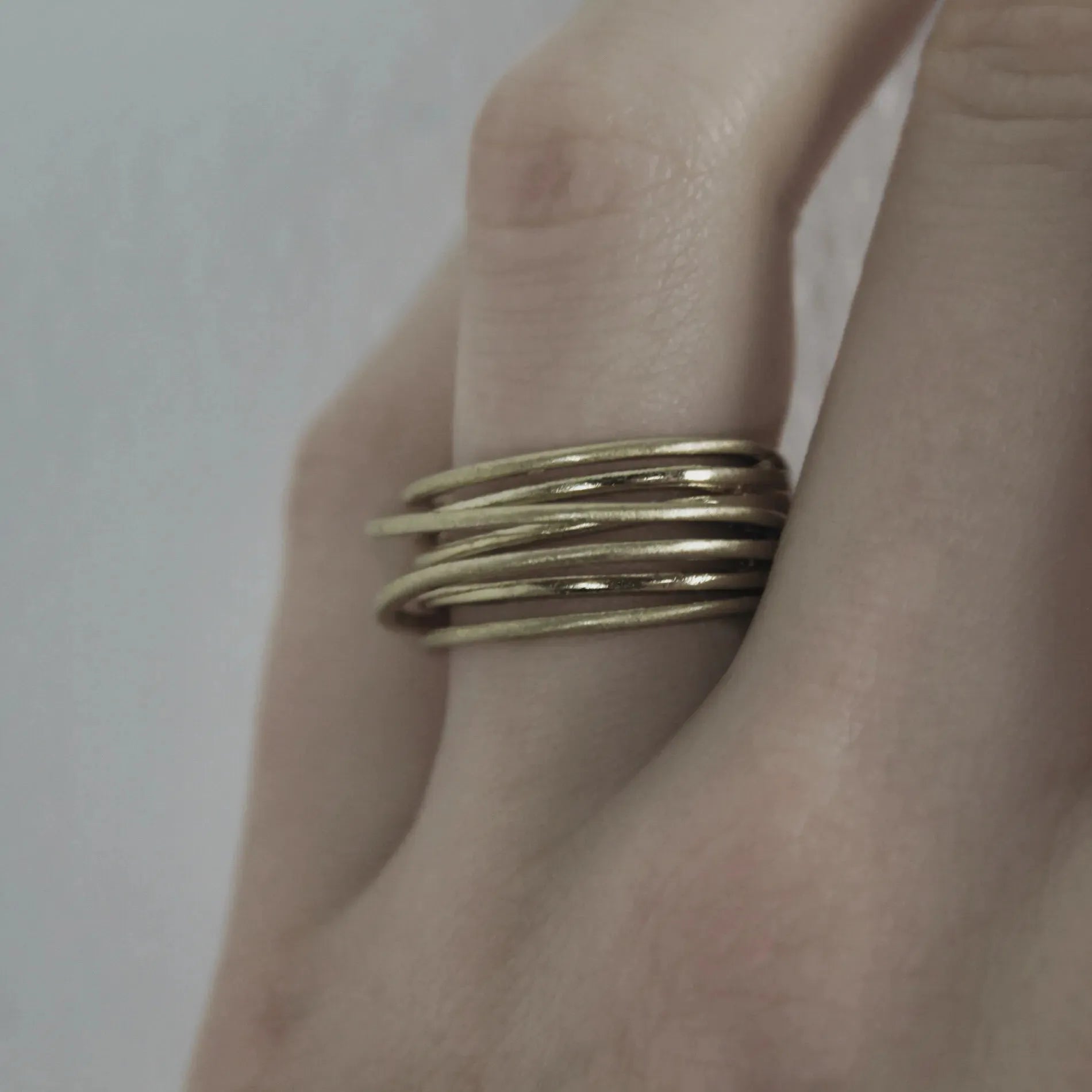
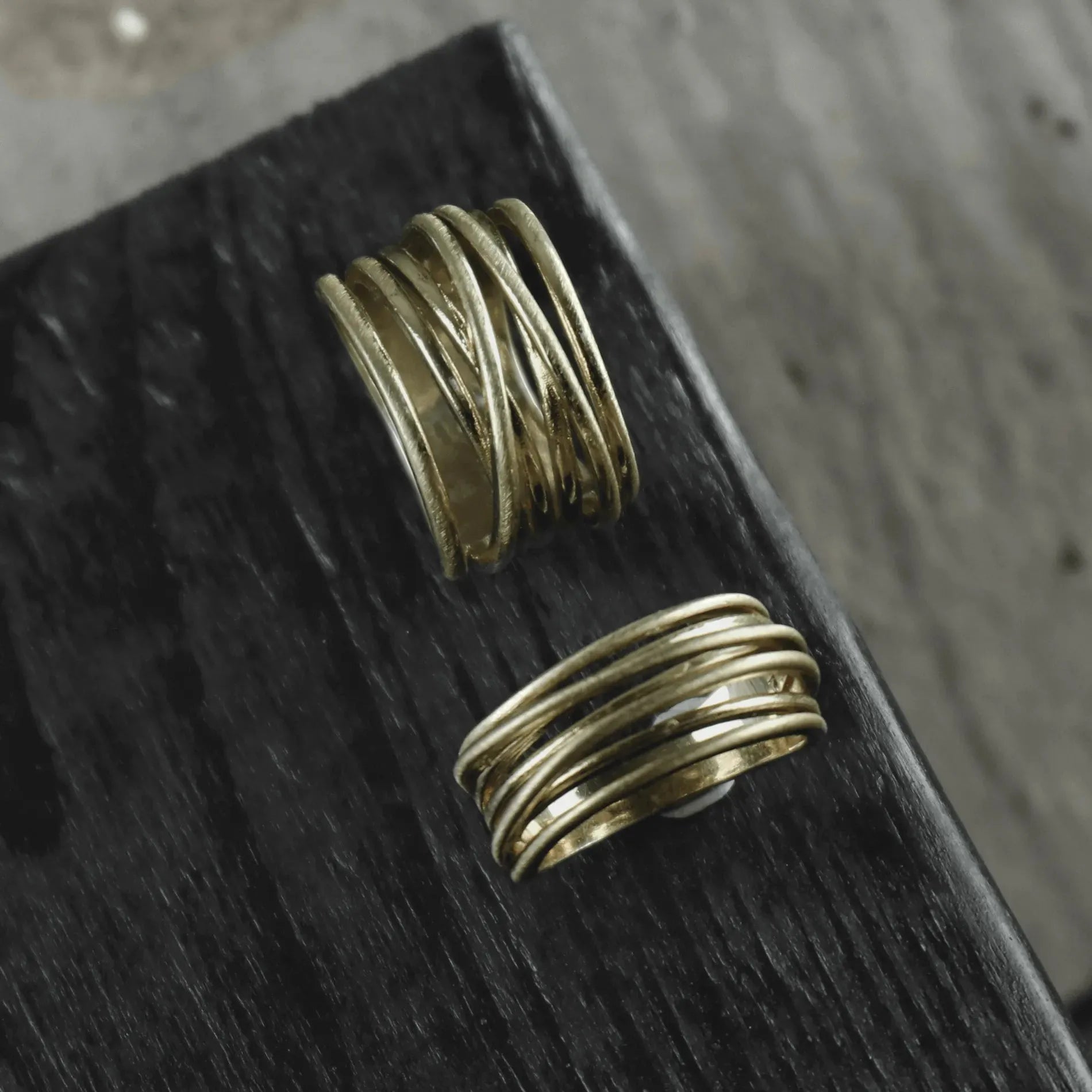
Til daglig brug er enkle Vandfaste-ringe, hoop øreringe, huggies, kædearmbånd og lagdelte halskæder i 316L rustfrit stål er som regel de smarteste valg — smykker, der passer til, hvordan det virkelige liv faktisk fungerer. Kombiner dem med en blazer, en badedragt eller en hvid T-shirt, og du ser stadig velklædt ud. Hvis du elsker et lag-på-lag-look, udgør vandvenlige basisstykker det bedste grundlag. Tilføj derefter mere delikate eller statement smykker, når anledningen kræver det – så forbliver din grundlæggende smykkegarderobe praktisk, og dine mere modebevidste smykker holder sig smukke længere.
Sådan beskytter du smykker, der bliver våde
Selv de bedste materialer har godt af lidt pleje. Hvis dine smykker udsættes for klor, saltvand eller kraftig sved, skal du skylle dem med ferskvand og tørre dem med en blød klud – den enkle vane forhindrer aflejringer og holder overfladen renere. For galvaniserede smykker er forebyggelse stadig det sikreste: Tag dem af, før du svømmer, går i bad eller påfører produkter, og opbevar dem på et tørt sted i stedet for i en fugtig badeværelseskuff. Hvis du bærer smykker dagligt, hjælper det også at skifte mellem dine smykker – at give dem en pause mindsker friktion og slid, især for ringe og armbånd, der er i konstant kontakt med vand, overflader og hudplejeprodukter.
De bedste smykker er ikke kun smukke i æsken — det er det smykke, der får dig til at føle dig som dig selv på almindelige dage, ved planer i sidste øjeblik og også på solbeskinnede weekender. Udforsk hele DANSK Copenhagen Vandfaste Kollektion og find de smykker, der følger med i dit liv.