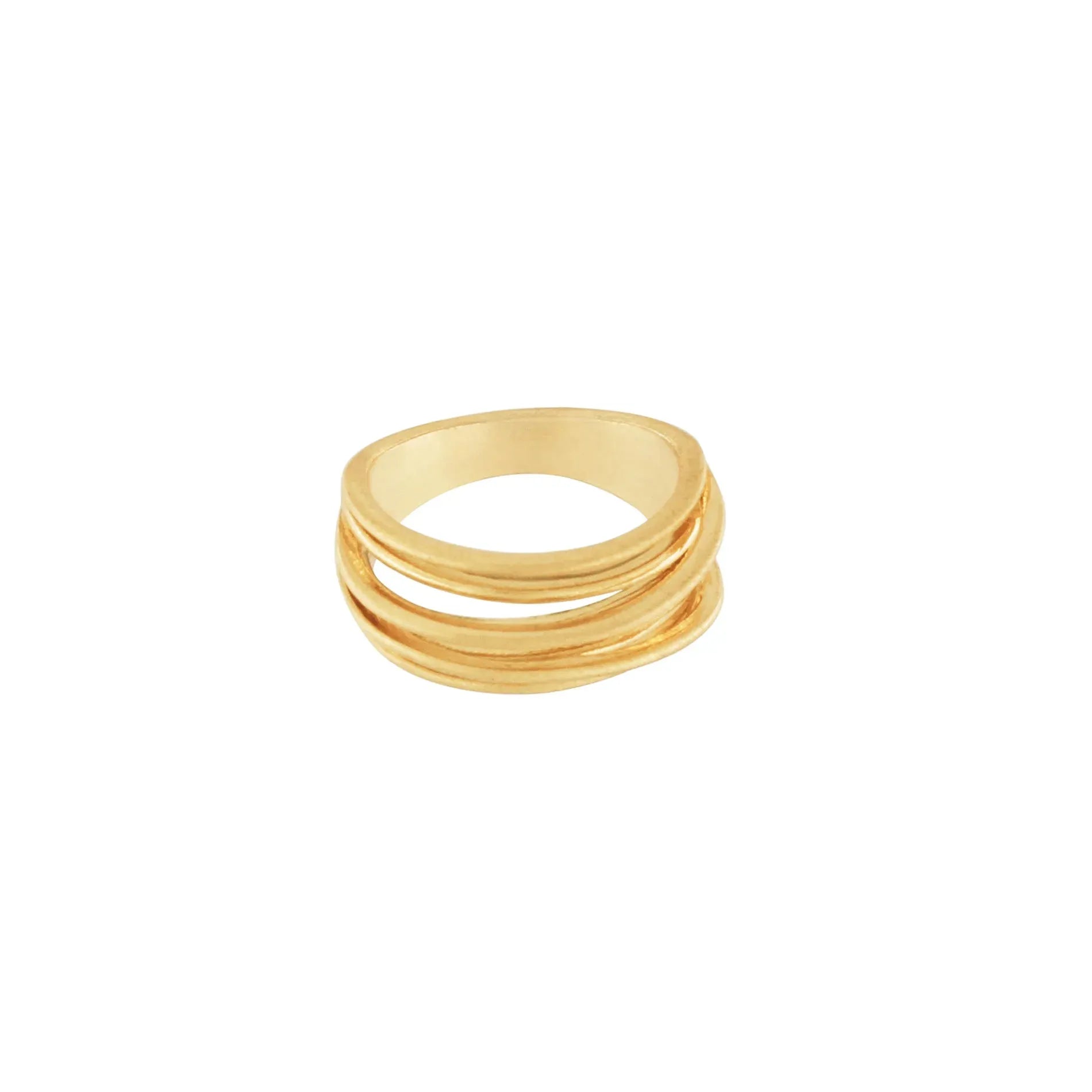
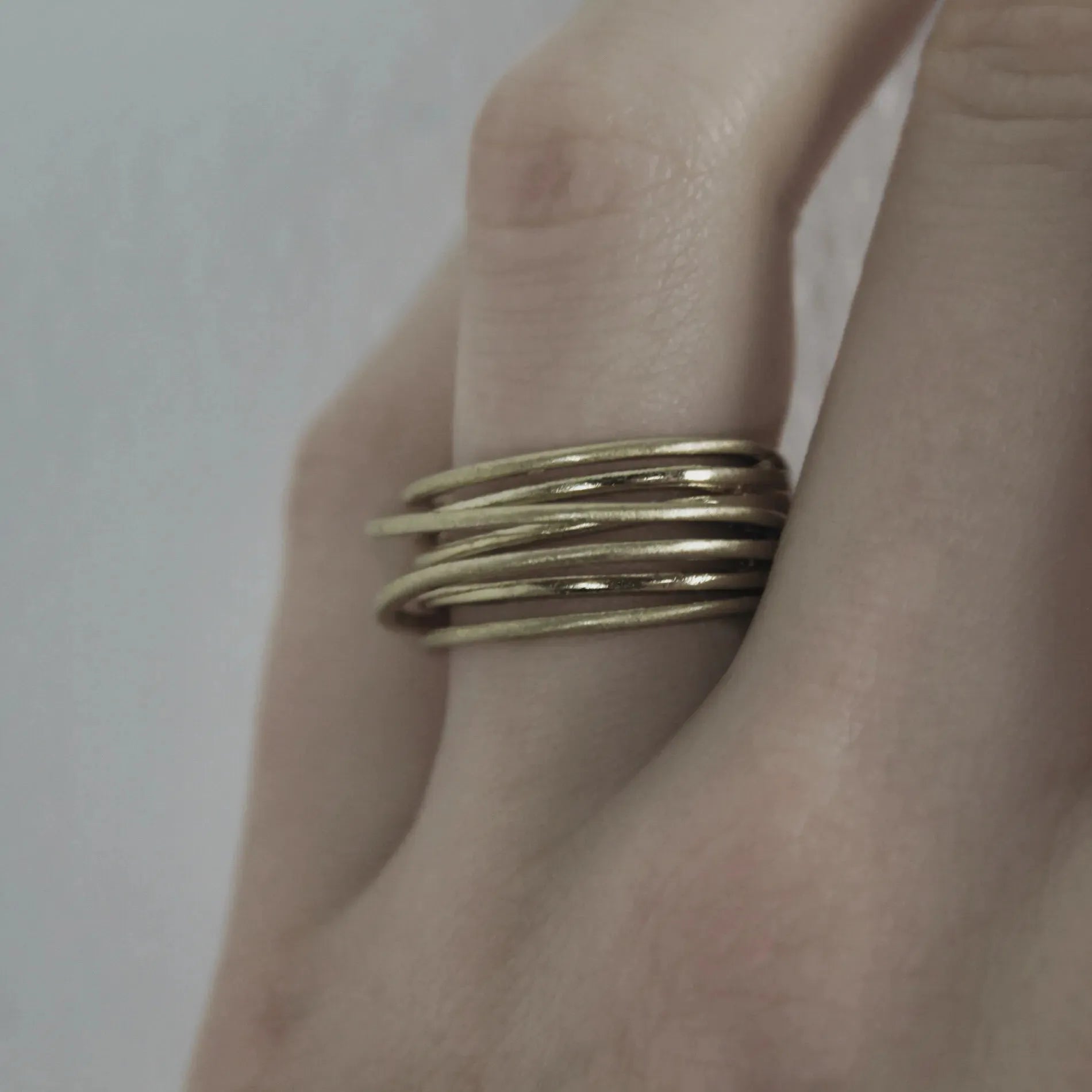
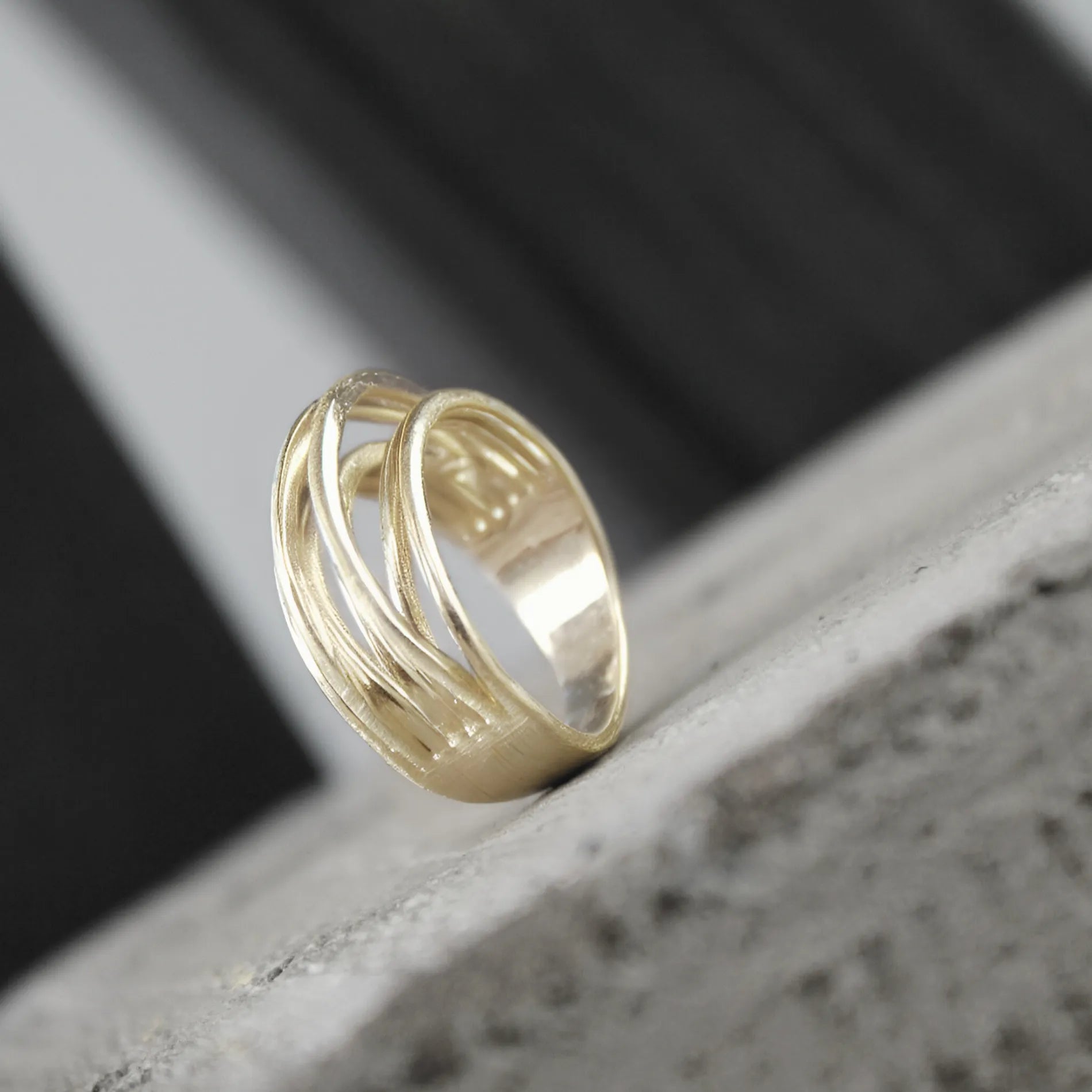
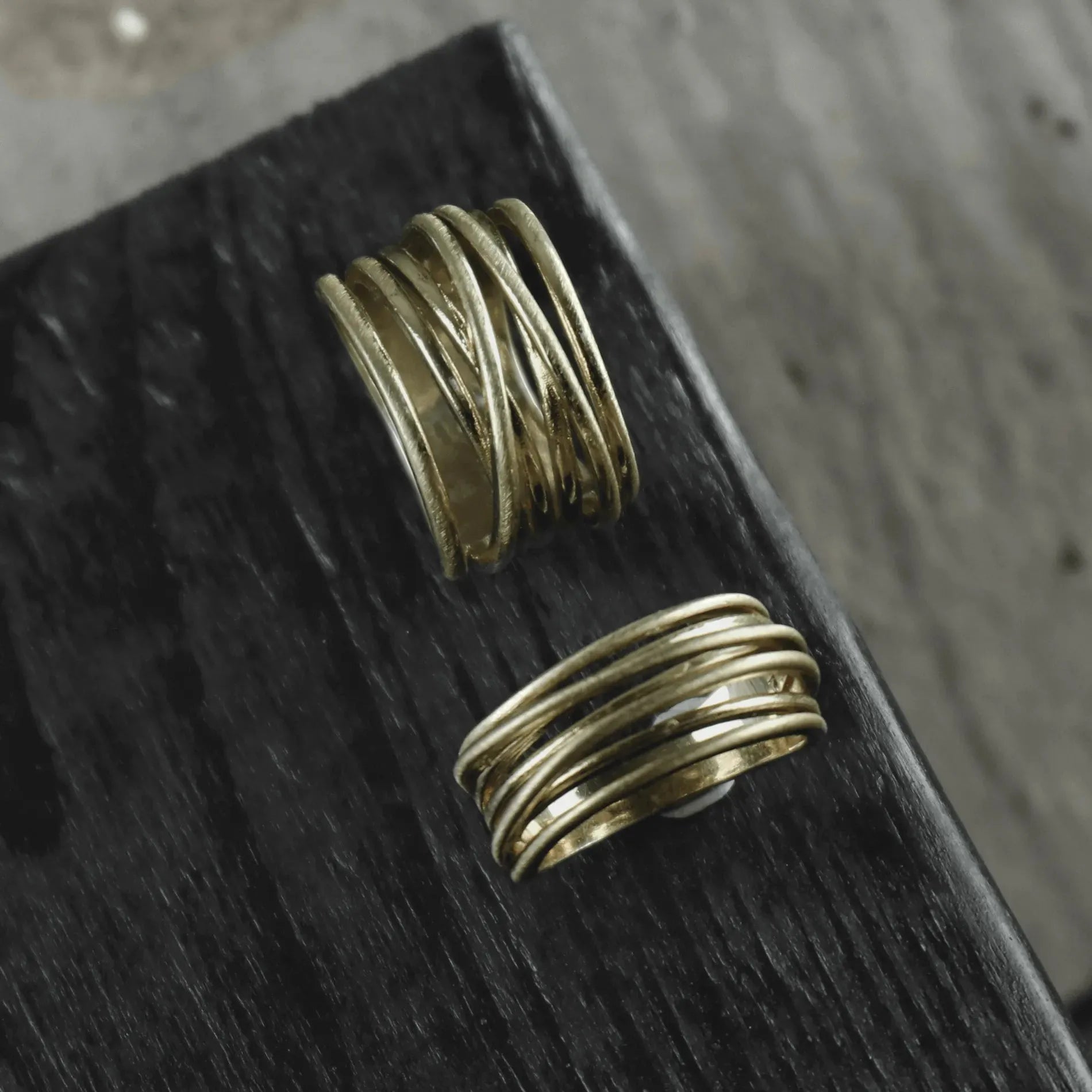
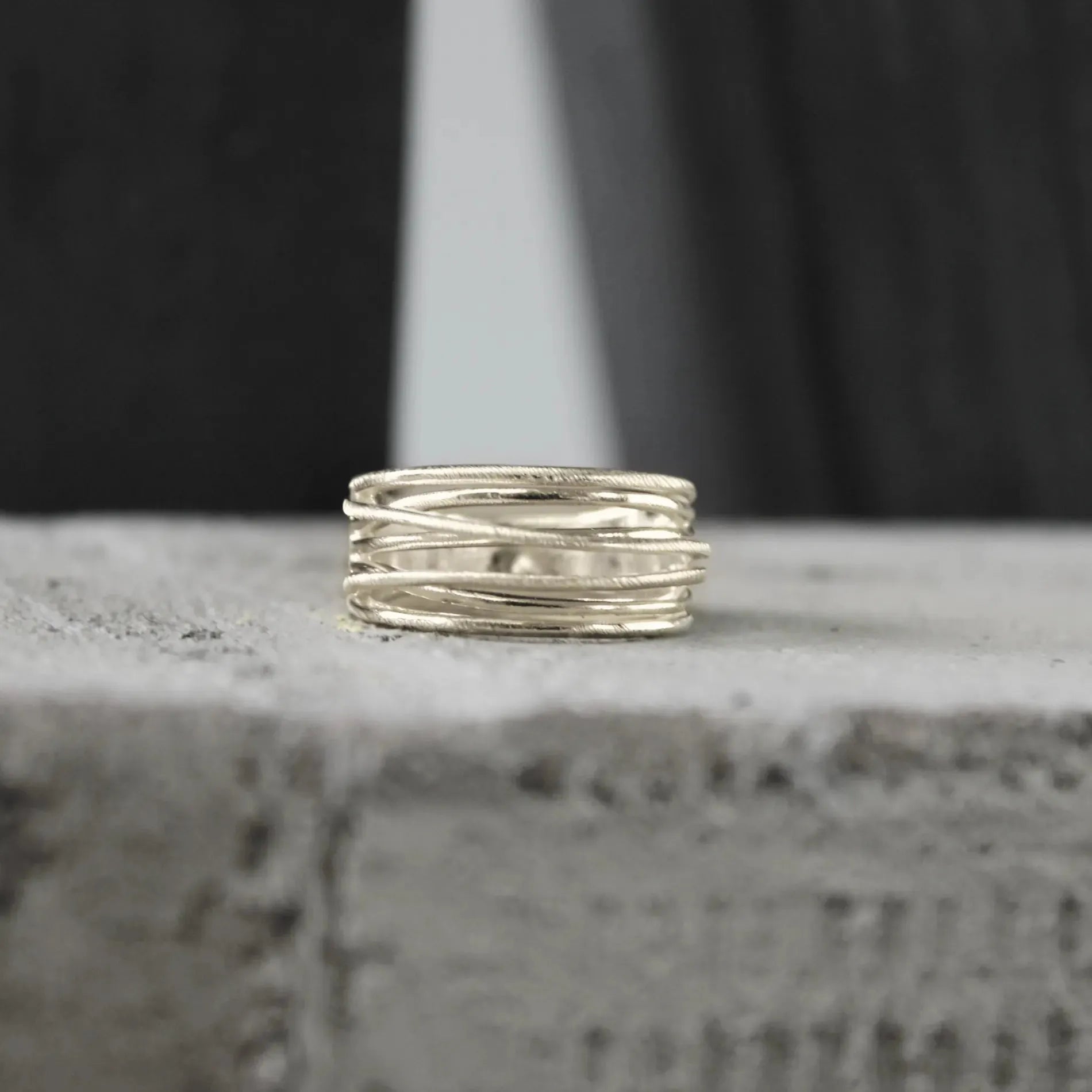
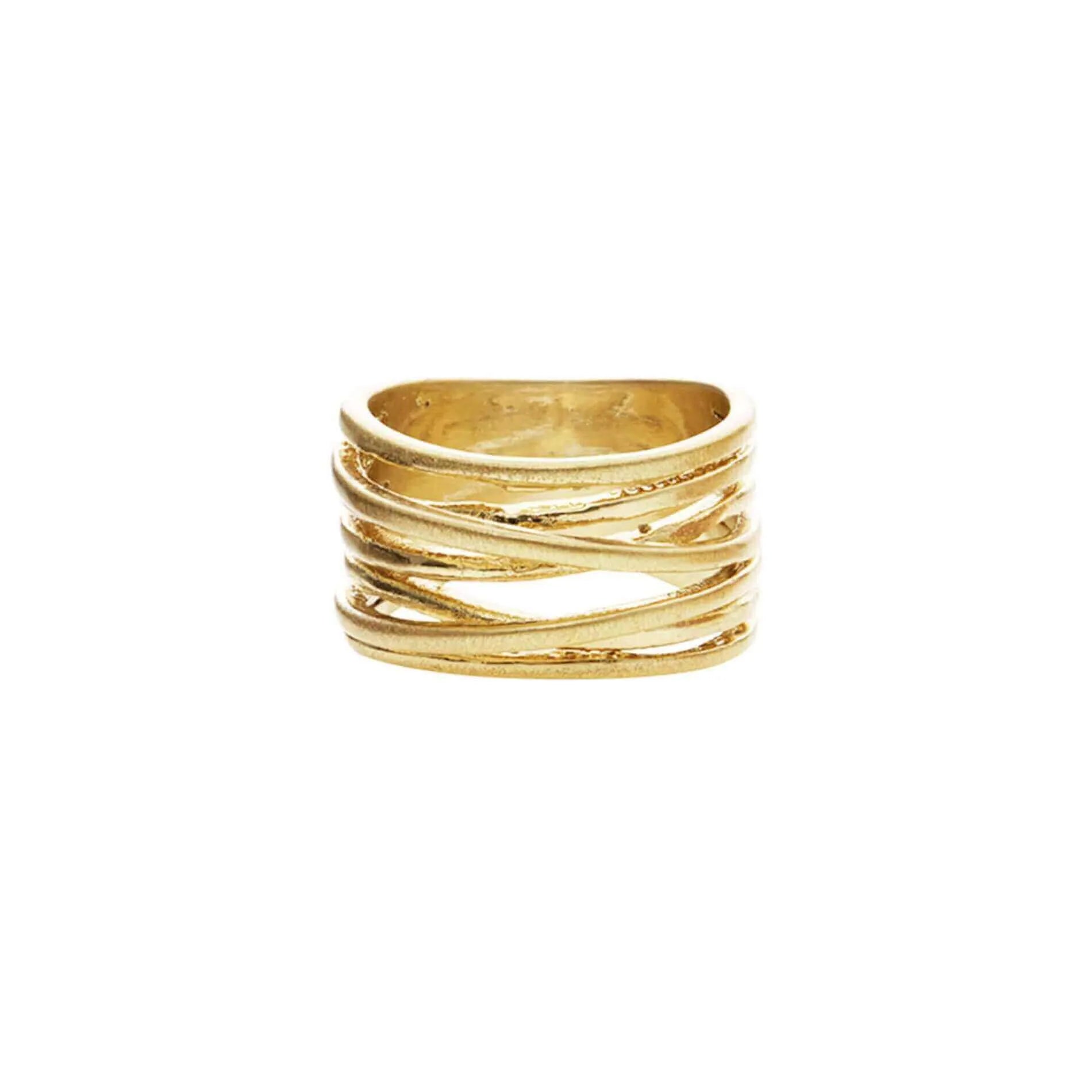
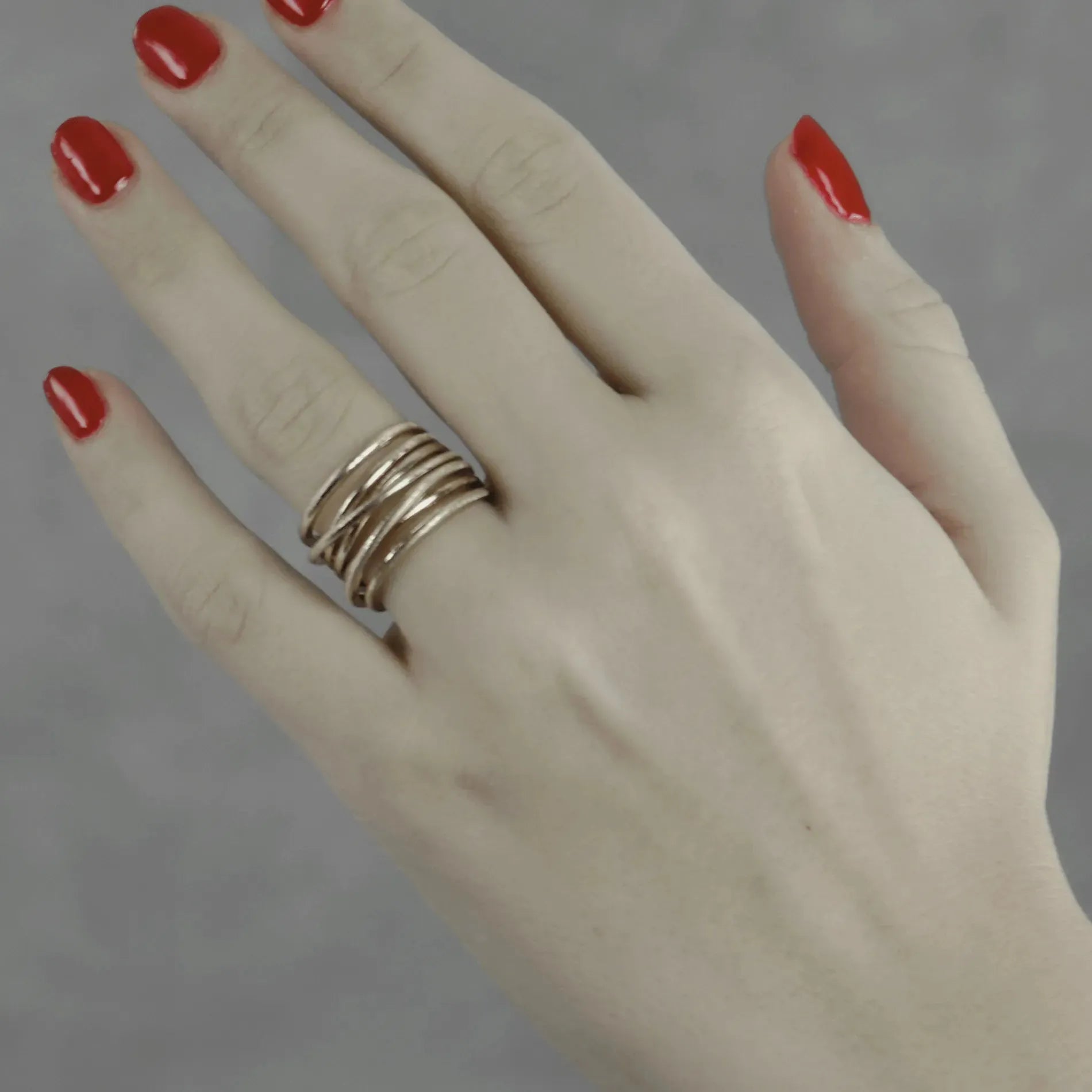
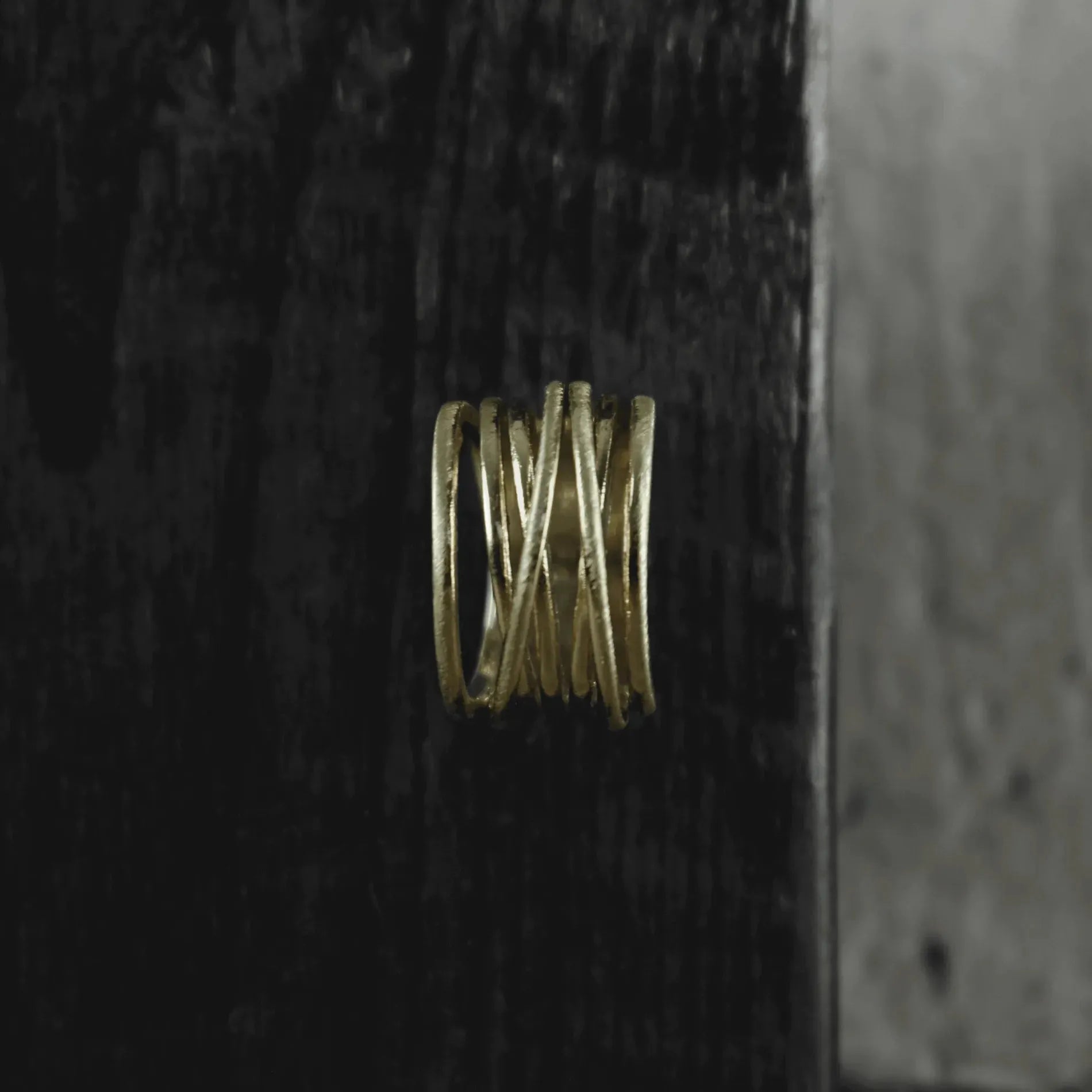
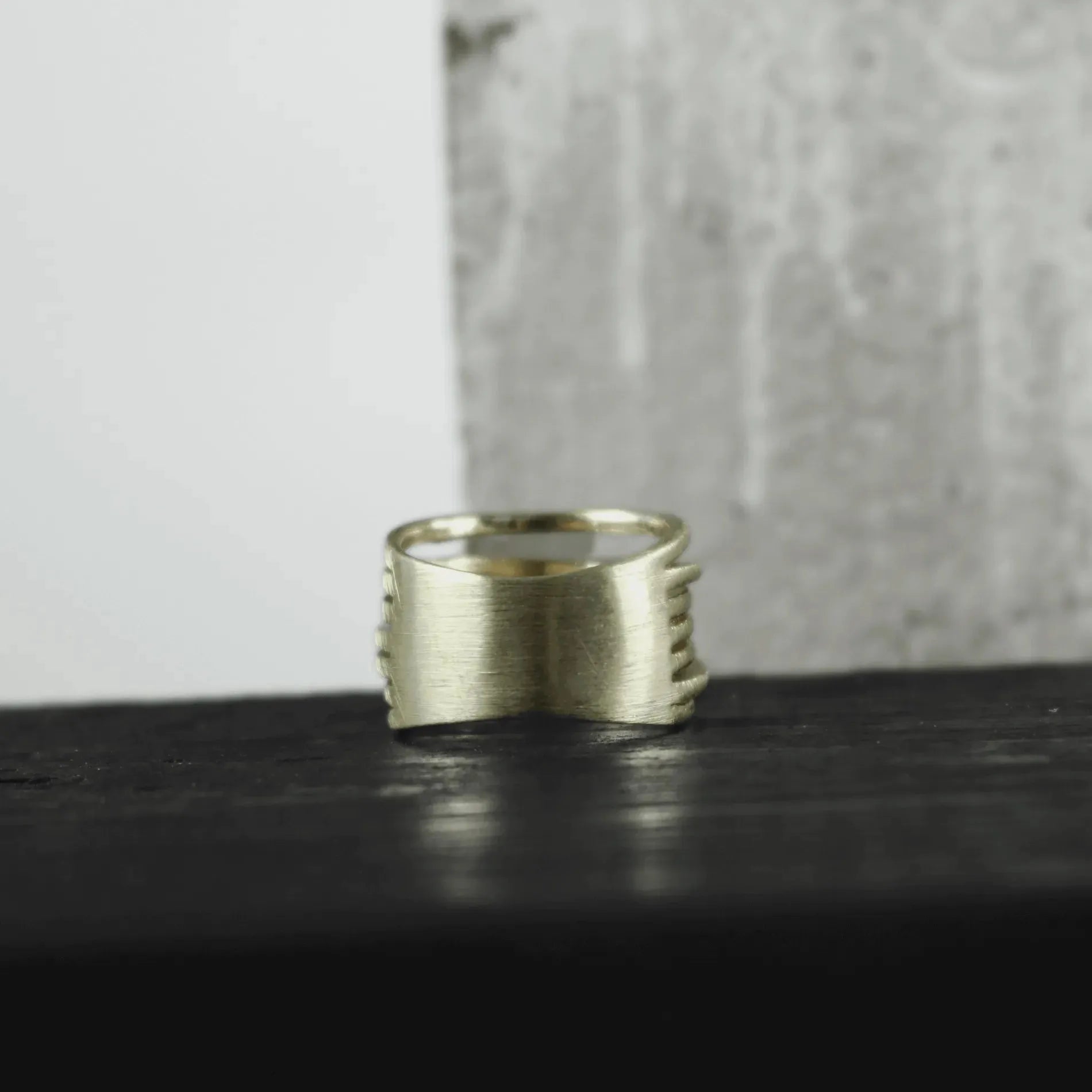
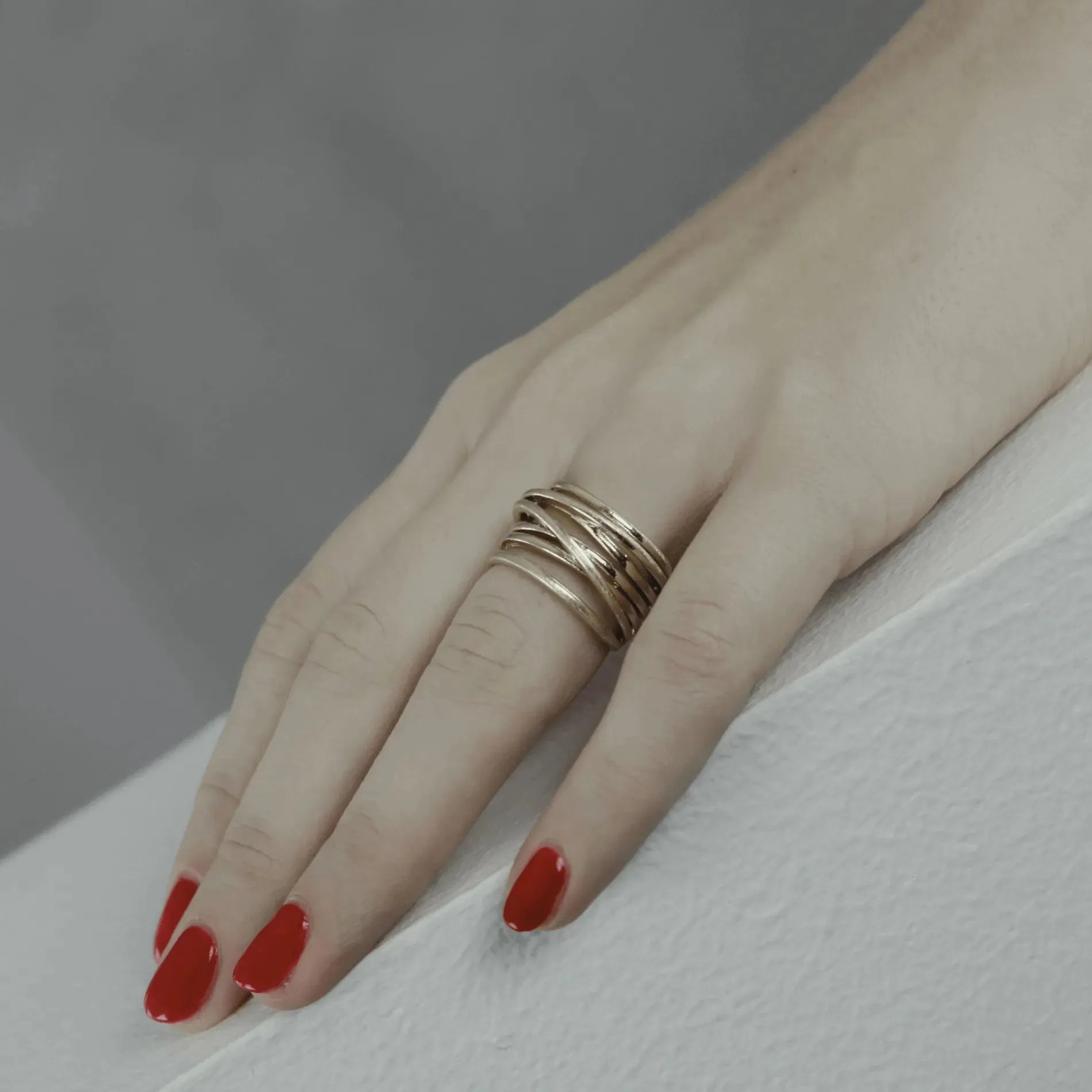


What is 316L Surgical Steel ?
 316L Surgical Steel Jewellery: Why the Grade Matters
316L surgical steel is a premium, low-carbon, surgical-grade stainless steel — the same grade used in medical implants. In jewellery, it gives you superior corrosion resistance, a permanent tarnish-free finish, and a surface widely considered hypoallergenic. It's the highest-performing grade used in everyday jewellery.
Not all stainless steel is the same. The grade decides how a design wears, how long it holds its finish, and how it feels against your skin day after day. This guide explains exactly what 316L surgical steel is, how it compares to other grades, and why DANSK Copenhagen chose it as the standard for its full collection.
Here's what you'll learn:
- What 316L surgical steel is, and why the “L” matters
- How stainless steel grades compare, from 200 series to 316L
- Why DANSK Copenhagen silver-toned jewellery never tarnishes and gold jewellery lasts longer
What Is 316L Surgical Steel?
Stainless steel is an alloy — a blend of iron, chromium, and other elements. The chromium forms a thin, protective layer that resists corrosion. That's what makes steel “stainless” in the first place.
But the blend varies enormously. Different grades behave differently on skin, in water, and through years of wear. 316L — widely known as surgical steel — sits at the top end of the grades used in jewellery. It's designed for durability, comfort, and a finish that lasts.
The “L” stands for low carbon. That small detail has a big practical effect, which is worth understanding before you buy.
Why Does the “L” (Low Carbon) in 316L Matter?
The “L” means low carbon content. Lower carbon reduces the risk of carbide forming at the metal's grain boundaries — particularly at joins and welds, which are exactly the points where cheaper steel corrodes first.
For you, this means three clear wins:
- Greater corrosion resistance, even at clasps and joins.
- A stronger finish that holds up through years of daily wear.
- Fewer weak points where dulling or tarnishing can start.
In short, 316L surgical steel resists the everyday wear that causes lower grades to fail. That's the difference between jewellery that lasts and jewellery you replace.
How Is Stainless Steel Graded — and Where Does 316L Fit?
Understanding the grades shows exactly what sits behind a jewellery design. Here's how the most common ones compare.
- 200 series. The most affordable option. It swaps costly nickel for manganese, which lowers corrosion resistance and raises the risk of skin reactions.
- 304 (also called 18-8). A solid, widely used grade with good corrosion resistance. Fine for many uses, but it can struggle with sweat, salt water, and daily wear over time.
- 316. A step up. Adding molybdenum boosts resistance to corrosion, salt, and chemicals — the reason it's often called “marine grade”.
- 316L. The premium choice — surgical steel. Low carbon content gives greater resilience, especially at welds and joins.
Each step up the ladder brings better corrosion resistance and longer-lasting jewellery. 316L surgical steel sits at the very top of that ladder.
Key takeaway: the grade is the difference between jewellery that lasts for years and jewellery that fades within months.
How Does 316L Surgical Steel Compare to Other Jewellery Materials?
The material behind a design determines how it holds up over time. Here's how 316L surgical steel compares with the alternatives most often found in fashion jewellery.
| 316L Surgical Steel (DANSK Copenhagen) | Lower-Grade Stainless Steel | Brass | Silver-Plated Jewellery | |
|---|---|---|---|---|
| Tarnish resistance | Permanent — the finish is the metal itself | Good, but can weaken over time | Tarnishes with moisture and sweat | Fades as plating wears away |
| Corrosion resistance | Excellent — grade used in medical settings | Moderate | Lower — reacts with sweat and water | Only while plating is intact |
| Sensitive skin | Very low nickel — widely considered hypoallergenic | Varies by grade | Can cause irritation as it corrodes | Base metal may react once plating wears through |
| Durability | Outstanding — resists scratching and daily wear | Good for general use | Lower — prone to tarnishing | Moderate — plating wears down |
| Care required | Minimal — wipe with a soft cloth | Occasional cleaning | Regular polishing and careful storage | Needs protection from moisture |
| Best suited for | Everyday wear, sensitive skin, active lifestyles | General fashion use | Occasional wear | Short-term, low-moisture wear |
316L surgical steel suits everyday wearers who want lasting colour, skin comfort, and minimal upkeep — jewellery you can wear in the shower, the sea, and the gym without a second thought.
Why Does DANSK Copenhagen Silver-Toned Jewellery Never Tarnish?
On DANSK Copenhagen silver-toned jewellery, the colour is not a coating. It's the natural colour of the 316L surgical steel itself.
Traditional silver-plated jewellery works differently. The silver colour comes from a thin layer applied over a base metal. Once that layer wears away, the metal beneath is exposed and tarnish sets in — sometimes within months of regular wear.
With surgical steel, there's no coating at all. The silver tone is simply the metal. Because there's no surface layer to chip, fade, or wear through, there's nothing to tarnish — ever. The finish is permanent. It's not a quality you protect or maintain. It simply stays.
Why Do DANSK Copenhagen Gold Designs Last Longer Than Standard Gold-Plated Jewellery?
Standard gold-plated jewellery places a thin layer of gold over a brass base. Brass tarnishes over time, which causes the gold finish to lift and fade faster than most people expect.
DANSK Copenhagen gold designs use 18K gold bonded directly onto a stable 316L surgical steel base with the ION technique. ION plating is an advanced process that locks the gold onto the steel with far greater force than standard plating — creating a harder, more wear-resistant finish that holds its brilliance through everyday life.
Here's what that means for you:
- The gold stays gold for longer. No lifting or fading from an unstable base beneath.
- A harder, more wear-resistant finish. Designed for the realities of daily wear.
- A stable foundation. The 316L base won't tarnish, so nothing works against the gold from underneath.
Is 316L Surgical Steel a Sustainable Choice?
Yes. 316L surgical steel carries a genuine slow-fashion story, and it's one worth knowing.
- Fully recyclable. Stainless steel can be recycled without losing its quality.
- Designed to last. Durable jewellery means fewer replacements and less waste over time.
- Quality over quantity. A considered, long-lasting choice for conscious shoppers.
Jewellery designed to last for years rather than months is one of the most practical ways to make a greener choice. DANSK Copenhagen completed its full transition to premium 316L surgical steel in 2026, driven in part by exactly this commitment — jewellery worth keeping, not replacing.
FAQ
What is the difference between 316L surgical steel and regular stainless steel?
316L is a surgical-grade variant of stainless steel with lower carbon content and added molybdenum. This gives it superior corrosion resistance compared to lower grades like 304 or 200 series. In practical terms, it holds its finish better, resists tarnishing more effectively, and is gentler on sensitive skin — making it the premium choice for everyday jewellery.
Does 316L stainless steel tarnish?
No. On silver-toned DANSK Copenhagen jewellery, the colour is the metal itself — not a coating. Because there's no surface layer to wear away, the finish is permanent. There's nothing to tarnish, ever.
Is 316L surgical steel hypoallergenic?
316L stainless steel contains very low levels of nickel and is widely considered hypoallergenic, gentle on all skin types including sensitive skin. Its corrosion resistance also keeps it chemically stable, so it releases virtually nothing into the skin. If you have a severe confirmed allergy, always consult a medical professional. Find out more about why 316L surgical steel is one of the safest choices for sensitive skin.
Why did DANSK Copenhagen switch to 316L stainless steel?
DANSK Copenhagen completed its full transition to 316L stainless steel in 2026, driven by customer feedback gathered over many years. Brass — used in earlier designs — looked beautiful at first, but the shine faded, plating wore down, and some designs irritated sensitive skin. 316L fixes all of that: a permanent finish, hypoallergenic comfort, and durability designed for everyday wear. The price stayed exactly the same.
Is 316L surgical steel jewellery safe to wear in the shower or sea?
Yes. 316L surgical steel is highly corrosion-resistant and safe for everyday contact with water, sweat, and normal wear — including showers, the gym, and the sea. Find out more about wearing DANSK Copenhagen jewellery in water, pools, and everyday life.
Explore the full DANSK Copenhagen collection — crafted from premium 316L surgical steel, tarnish-free, and designed to be worn every single day.